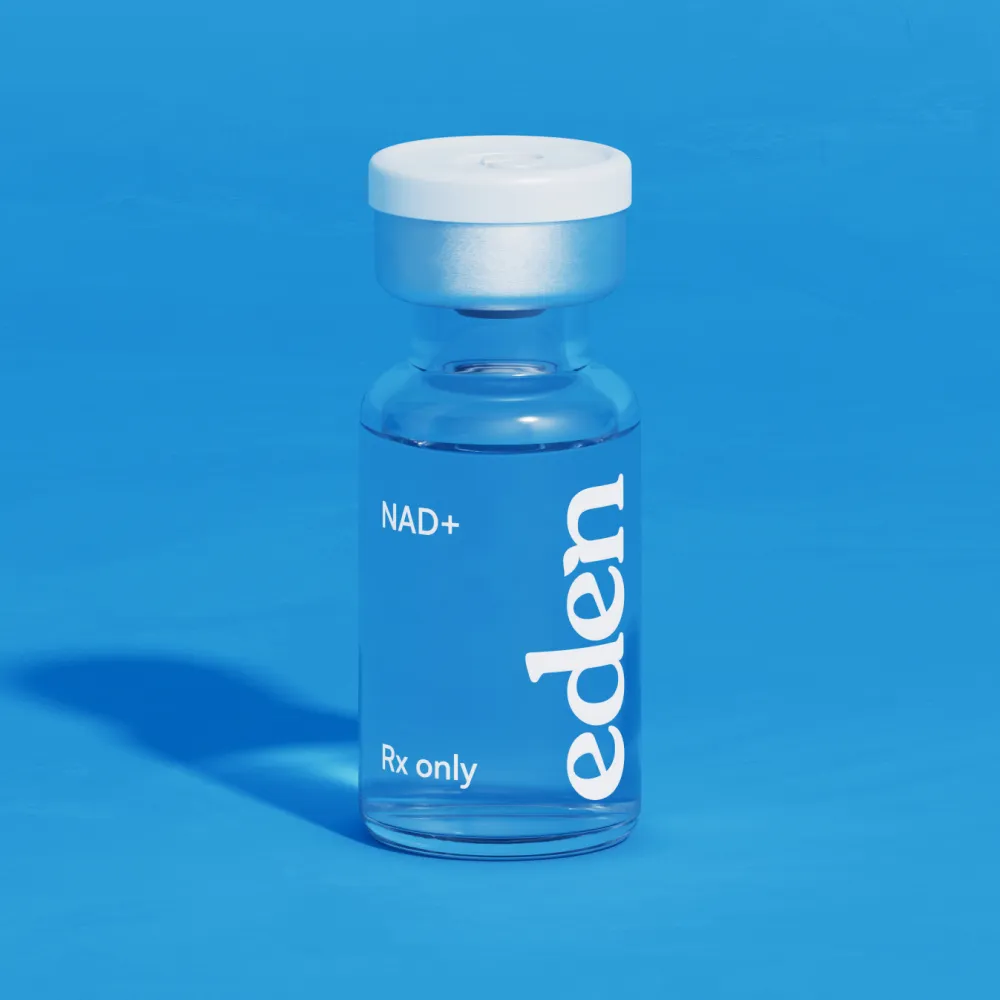
What Is a NAD Supplement?




What is a NAD supplement? In this article, we explore NAD+ benefits, how it works in your body, and what to consider before adding it to your routine.
- What is a NAD supplement? Essentially, it’s a product designed to support the body’s natural NAD+ levels, a coenzyme found in every cell of your body.
- NAD+ plays a role in energy production, DNA repair, and cellular signaling, making it essential for how your body functions day to day.
- NAD+ levels naturally decline with age, which is why many people are interested in supplementation.
- NAD supplements use precursors, such as NMN and NR, to help the body produce NAD+ through natural cellular processes.
- NAD+ supplement options include oral capsules, powders, and liposomal formulas, which can be found online and in health stores or pharmacies. There are also injections and IV therapy, but these are only available via a licensed healthcare provider.
This content is for informational purposes only and should not be taken as medical advice. Consult a healthcare provider before starting any new supplement or treatment plan. Individual results may vary.
What Are NAD Supplements?
You’ve probably seen NAD+ making the rounds on social media, often referenced in relation to anti-aging research. But what is a NAD supplement anyway? And is the buzz backed by actual science?
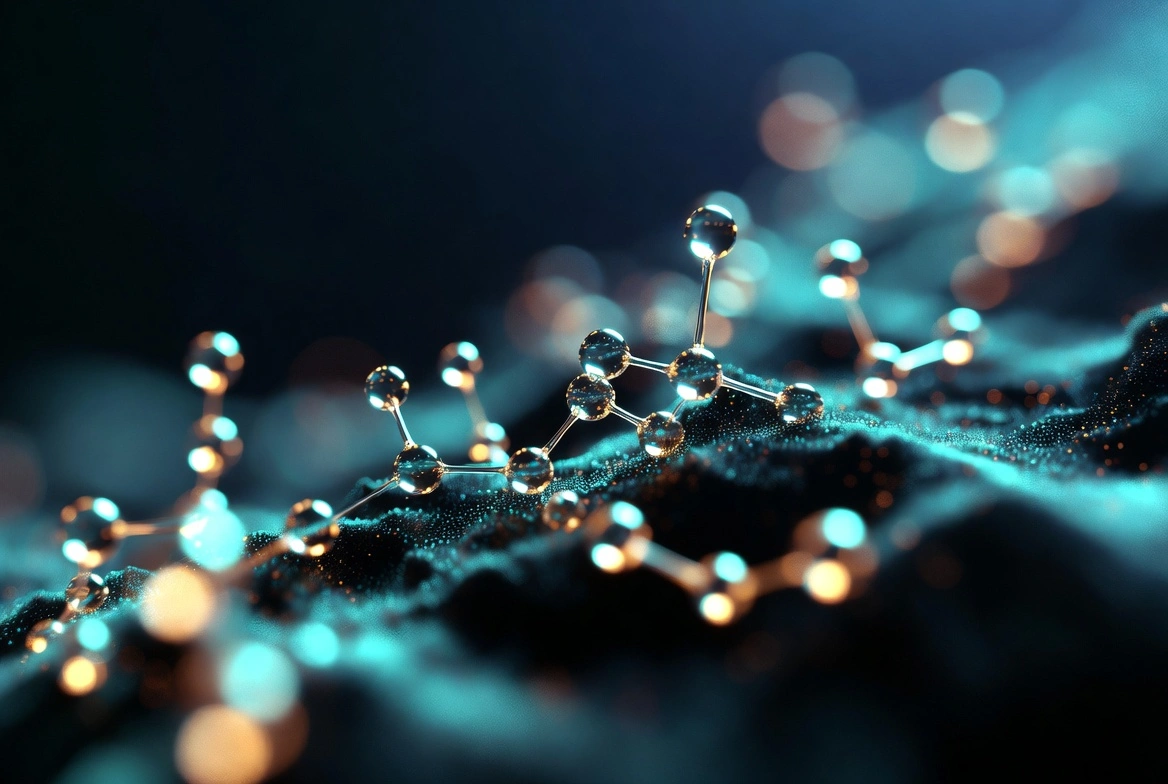
In short, NAD+ is a molecule your body already makes and depends on. NAD stands for nicotinamide adenine dinucleotide. It’s a coenzyme present in every cell of your body, and it’s involved in hundreds of biological processes, including converting food into usable energy and helping repair damaged DNA.
You’ll often see the terms NAD, NAD+, and NADH used interchangeably, but they’re not exactly the same. NAD+ is the active, oxidized form that accepts electrons during metabolic reactions. NADH is the reduced form; it carries electrons and delivers them to your mitochondria, where they help produce ATP (your cells’ main energy source). The two forms cycle constantly, and maintaining a healthy balance helps support efficient cellular function.
However, NAD+ doesn’t pass easily through cell membranes or survive the digestive process intact, which is why NAD supplements use precursors instead. These are smaller molecules that your cells can absorb and convert into NAD+ on their own.
The three main precursors you’ll see are nicotinamide mononucleotide (NMN), nicotinamide riboside (NR), and nicotinamide (NAM). So, why supplement at all?
NAD+ levels naturally decline as we age. Some research suggests that levels may drop in certain tissues, including the brain, liver, skin, and muscle. This decline has been associated in some studies with changes in cellular energy metabolism and repair processes.
{{primary-cta}}
Potential Benefits of NAD Supplements
Research into NAD+ supplementation is still evolving. Here’s what has been explored so far.
Cellular Energy and Metabolism
NAD+ is involved in the processes that help your cells produce energy. It plays a role in ATP production within the mitochondria, the process that essentially powers everything your body does. When NAD+ levels are adequate, your cells can produce energy as usual.
Healthy Aging
Much of the interest in NAD+ revolves around aging. Studies in animal models suggest that maintaining NAD+ levels may influence muscle, organ, and mitochondrial function.
Human research is limited; more large-scale clinical trials are needed to better understand the relationship between NAD+ and aging.
Cognitive Function
Your brain is the most energy-demanding organ in your body, consuming roughly 20% of your body’s glucose supply. Since NAD+ is so tightly linked to energy metabolism, researchers have been exploring whether supporting NAD+ levels could also support cognitive function. Early studies suggest a potential connection, though more human trials are needed to draw firm conclusions.
Cardiovascular and Metabolic Health
Some research points to a relationship between NAD+ levels and heart health. Studies have observed that cardiac NAD+ may decline significantly between the ages of 40 and 60.
Early-stage research, including both animal studies and small human trials, has explored whether NAD+ replenishment could influence cardio markers such as blood pressure, vascular function, and insulin sensitivity. Yet, the results are still preliminary.
Types of NAD Supplements
NAD supplements come in several forms. The right one for you depends on your goals, lifestyle, and your provider's recommendations. Here are your main options:
- Oral supplements (capsules, powders, and liposomal formulas) are the most accessible option. They’re easy to take and widely available.
- Injections are typically administered under the guidance of a licensed healthcare provider.
- IV therapy delivers NAD+ directly into the bloodstream. It’s usually done in a clinical setting.
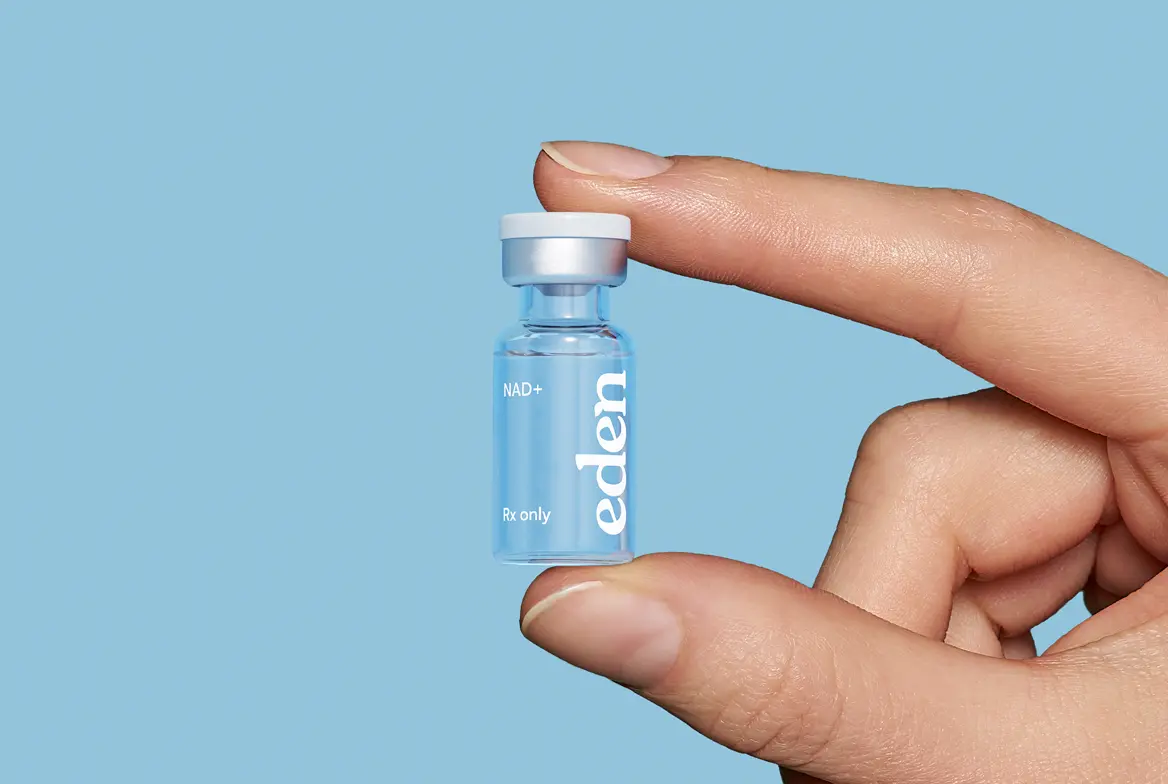
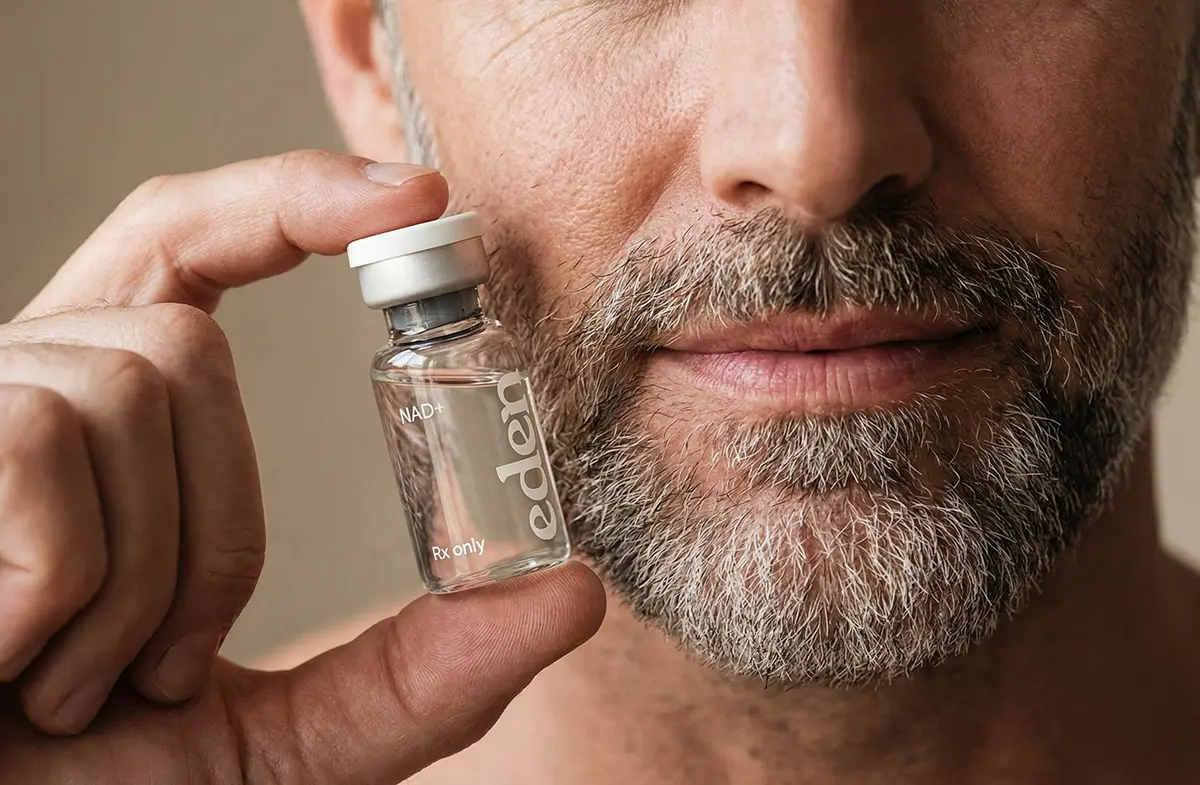
If you’re considering NAD+ injections, Eden can help simplify the process. Begin with a brief online intake, and then Eden can connect you with a licensed healthcare provider who will review your health history, goals, and lifestyle to determine whether NAD+ therapy is the right fit for you.
At the same time, it’s worth keeping in mind that NAD+ injections are not FDA-approved for anti-aging or wellness purposes and may be prescribed off-label at a provider’s discretion.
{{primary-cta}}
What to Consider Before Taking a NAD Supplement
Before adding any supplement to your routine, it’s best to discuss your current health situation and goals with a licensed healthcare provider. This is especially important if you’re currently taking medications; NAD supplements may interact with certain drugs, including those for blood pressure, blood sugar, and mood regulation.
When you’ve determined NAD is the next best step, look for products that have been third-party tested for purity, potency, and contaminants. Transparent labeling and verified testing (from organizations such as NSF International) are good signs that you’re getting what's on the label.
General dosage ranges in research have fallen between 250 and 1,200 mg daily for oral forms. But the right amount for you depends on your health profile, which is another reason that a qualified healthcare provider’s input is valuable.
Some clinicians recommend taking NAD precursors earlier in the day based on circadian biology research, though optimal timing has not been definitively established.
Additionally, pregnant or breastfeeding individuals, children, and those with liver or kidney conditions should consult a licensed healthcare provider before considering NAD supplementation, as safety data for these populations is limited.
Final Thoughts
NAD+ is a molecule your body has always relied on. It supports some of the most fundamental processes in your cells. And the fact that levels decline with age has made supplementation a growing area of research.
Whether you’re exploring oral supplements or looking into NAD+ injections, talking with a qualified healthcare provider can ensure you’re doing the best thing for your health and goals.









The FDA does not approve compounded medications for safety, quality, or manufacturing. Prescriptions and a medical evaluation are required for certain products. The information provided on this blog is for general informational purposes only. It is not intended as a substitute for professional advice from a qualified healthcare professional and should not be relied upon as personal health advice. The information contained in this blog is not meant to diagnose, treat, cure, or prevent any disease. Readers are advised to consult with a qualified healthcare professional for any medical concerns, including side effects. Use of this blog's information is at your own risk. The blog owner is not responsible for any adverse effects or consequences resulting from the use of any suggestions or information provided in this blog.
Eden is not a medical provider. Eden connects individuals with independent licensed healthcare providers who independently evaluate each patient to determine whether a prescription treatment program is appropriate. All prescriptions are written at the sole discretion of the licensed provider. Medications are filled by state-licensed pharmacies. Please consult a licensed healthcare provider before making any medical decisions.
Frequently asked questions
Who should not take NAD?

Pregnant or breastfeeding individuals, children, and people with liver or kidney conditions should avoid NAD supplements unless directed otherwise by a healthcare provider. Those taking blood pressure or blood sugar medications should also consult a licensed provider first due to potential interactions.
Is it safe to take NAD daily?
Some studies suggest that NAD precursors in the 250-1,200 mg range have been generally well tolerated in healthy adults, though long-term safety data is still limited. At the same time, individual needs vary, and working with a provider helps ensure the right dosage and form for your situation.
Is NAD the same as vitamin B3?
Not exactly, but they’re related. NAD supplements use vitamin B3 derivatives, such as NMN, NR, and NAM, as precursors. These compounds are converted into NAD+ through your body’s natural cellular processes once absorbed.
What is the most effective NAD supplement?
This depends on your goals. NMN and NR are among the most studied oral precursors. Injections and IV therapy bypass the digestive system, though comparative effectiveness data between delivery methods is limited. A licensed healthcare provider can help determine which form makes the most sense for your health profile.
Related articles









Cantó, C., Menzies, K. J., & Auwerx, J. (2015). NAD(+) Metabolism and the Control of Energy Homeostasis: A Balancing Act between Mitochondria and the Nucleus. Cell metabolism, 22(1), 31–53. https://doi.org/10.1016/j.cmet.2015.05.023
Covarrubias, A. J., Perrone, R., Grozio, A., & Verdin, E. (2021). NAD+ metabolism and its roles in cellular processes during ageing. Nature reviews. Molecular cell biology, 22(2), 119–141. https://doi.org/10.1038/s41580-020-00313-x
Freeberg, K. A., Craighead, D. H., Martens, C. R., You, Z., Chonchol, M., & Seals, D. R. (2022). Nicotinamide Riboside Supplementation for Treating Elevated Systolic Blood Pressure and Arterial Stiffness in Midlife and Older Adults. Frontiers in cardiovascular medicine, 9, 881703. https://doi.org/10.3389/fcvm.2022.881703
Lautrup, S., Sinclair, D. A., Mattson, M. P., & Fang, E. F. (2019). NAD+ in Brain Aging and Neurodegenerative Disorders. Cell metabolism, 30(4), 630–655. https://doi.org/10.1016/j.cmet.2019.09.001
Nakahata, Y., Sahar, S., Astarita, G., Kaluzova, M., & Sassone-Corsi, P. (2009). Circadian control of the NAD+ salvage pathway by CLOCK-SIRT1. Science (New York, N.Y.), 324(5927), 654–657. https://doi.org/10.1126/science.1170803
NSF. (n.d.). nsf.org. https://www.nsf.org/
Yoshino, M., Yoshino, J., Kayser, B. D., Patti, G. J., Franczyk, M. P., Mills, K. F., Sindelar, M., Pietka, T., Patterson, B. W., Imai, S. I., & Klein, S. (2021). Nicotinamide mononucleotide increases muscle insulin sensitivity in prediabetic women. Science (New York, N.Y.), 372(6547), 1224–1229. https://doi.org/10.1126/science.abe9985
Zhang, H., Ryu, D., Wu, Y., Gariani, K., Wang, X., Luan, P., D'Amico, D., Ropelle, E. R., Lutolf, M. P., Aebersold, R., Schoonjans, K., Menzies, K. J., & Auwerx, J. (2016). NAD⁺ repletion improves mitochondrial and stem cell function and enhances life span in mice. Science (New York, N.Y.), 352(6292), 1436–1443. https://doi.org/10.1126/science.aaf2693
Thank you!
We'll be in touch.
Thank you!