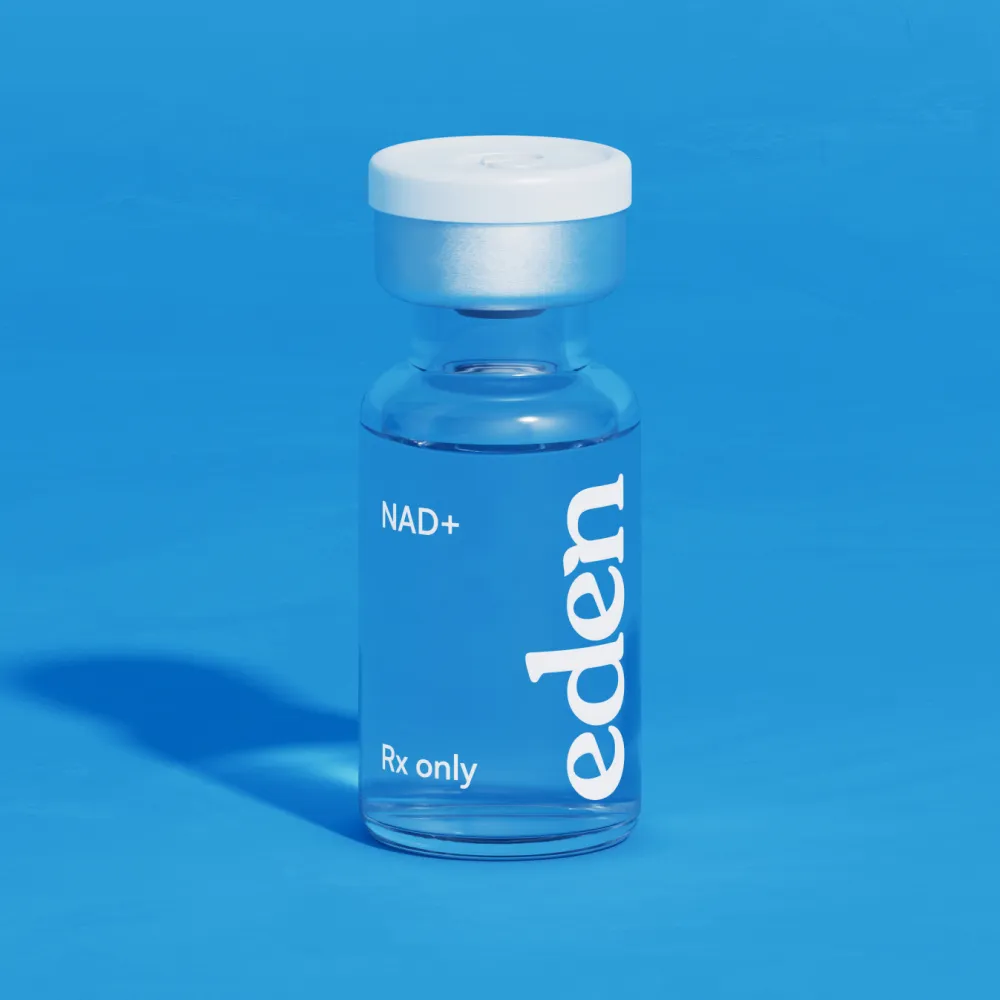
NAD Supplement Benefits: Energy, Metabolism, and Aging


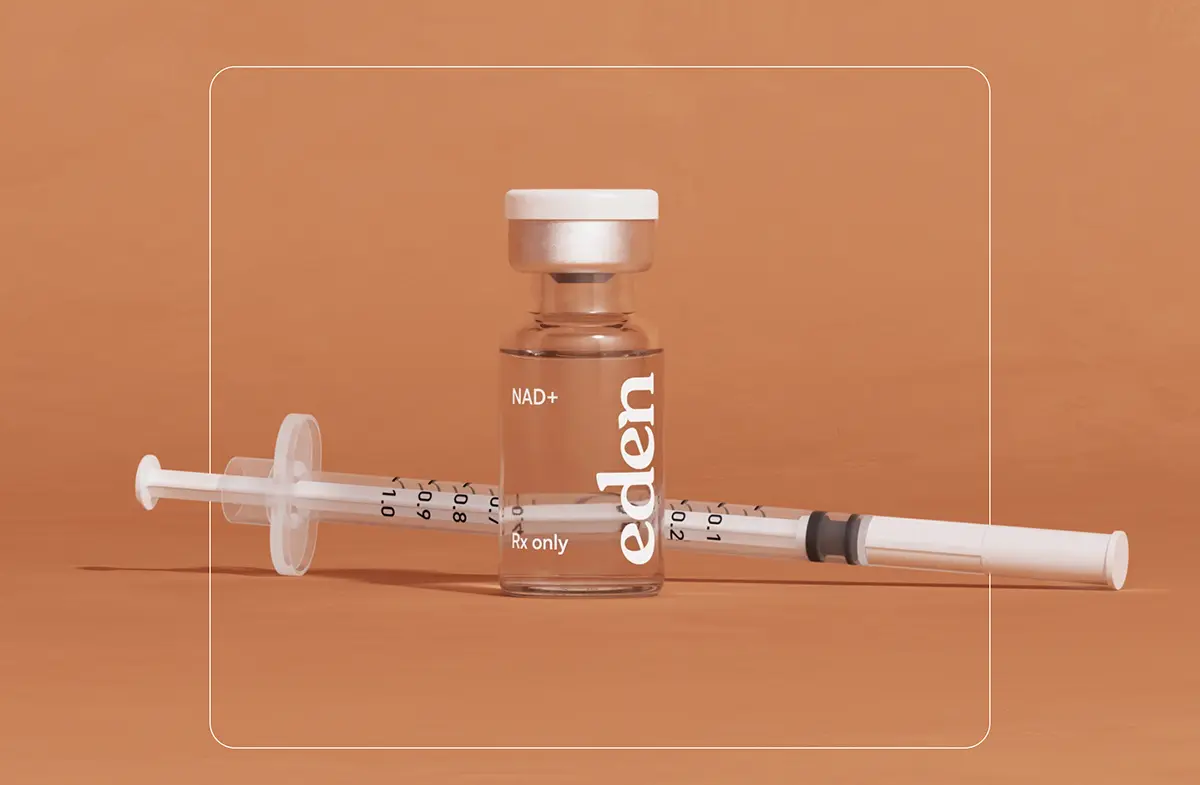

Learn about NAD supplement benefits, what an NAD supplement is, and what research suggests about NAD+ supplements for energy, cellular metabolism, and overall wellness.
- NAD supplements target cellular energy systems rather than acting like a stimulant.
- NAD+ supplement benefits are most closely tied to mitochondrial function and metabolic pathways.
- The benefits of NAD+ supplements are being actively researched, but large-scale human data remain limited.
- NAD is essential for ATP production (the body’s energy currency), DNA repair enzymes, and cellular signaling.
- NAD supplements are not FDA-approved to diagnose, treat, cure, or prevent disease.
Introduction
Search interest in the benefits of nad supplements has surged, but many articles either oversimplify the science or overpromise results.
Here’s the part that’s easy to miss when you’re skimming headlines. NAD is one of the most important molecules in human biology. Every cell relies on it to produce energy. Without NAD, mitochondria cannot efficiently generate ATP, the fuel that powers everything from muscle contraction to brain function.
That’s why searches for nad+ supplement benefits keep climbing, especially among people seeking steadier energy and better day-to-day performance.
There is also a key distinction often overlooked in blog posts. Just because NAD is essential does not automatically mean that supplementing it will create dramatic results.
This guide will help you understand:
- What NAD does inside the body
- Why levels may change over time
- What research suggests about the benefits of NAD+ supplement use
- What expectations are realistic, and what is marketing
If you are considering trying a nad supplement, this is what to know first.
What is NAD?
NAD stands for nicotinamide adenine dinucleotide. It is a coenzyme found in every living cell. It moves between two forms, NAD+ and NADH, as part of metabolic reactions that help your cells make energy.
NAD is involved in:
- ATP production and cellular energy metabolism
- Mitochondrial function
- DNA repair processes
- Cellular signaling and metabolic regulation
{{primary-cta}}
Why NAD Levels Get So Much Attention
Researchers have observed that NAD levels may decline with age. Because NAD is involved in energy production and cellular maintenance processes, scientists are studying how changes in NAD relate to metabolism and aging.
This does not mean that low NAD causes aging, or that a supplement reverses it. It means NAD is central to systems that change over time, which is why it is studied so closely.
What Is An NAD Supplement?
A nad supplement is formulated to influence NAD-related pathways in the body. Some products contain NAD+ directly. Others include ingredients that the body can convert into NAD, such as nicotinamide mononucleotide (NMN) and nicotinamide riboside (NR).
These products are commonly marketed for general wellness, including energy and metabolic health. They are not FDA-approved for diagnosing, treating, curing, or preventing disease.
How to Think About NAD Supplements (So You Don’t Waste Money)
A lot of people search for NAD supplement benefits, expecting a quick, noticeable “energy boost.” That expectation is usually where disappointment starts.
NAD is not caffeine. It is not a stimulant. If a supplement has an effect, it tends to show up as gradual, subtle changes that are easier to notice in your daily consistency than in a single moment. In other words, it is more like improving the foundation of cellular energy than flipping an “on” switch.
Before you spend money, it helps to ask three simple questions:
1) What are you actually trying to change?
If your goal is daytime energy, start by identifying the most common culprits first: inconsistent sleep, low protein intake, dehydration, high stress, or low activity. NAD-focused products may fit into a wellness routine, but they rarely outperform basics that are off-track.
2) Which ingredient are you taking, and why?
Many products are marketed as “NAD supplements,” but they are not all the same. Some include NAD+ directly, while others include precursors like NMN or NR that the body can convert through existing pathways. Reading the label matters because the form can influence how the product behaves in the body and how it has been studied.
3) What would “working” realistically look like for you?
A realistic outcome might be steadier energy, better workout consistency, or feeling less run-down during a busy week. An unrealistic outcome is a dramatic transformation in a few days. Before you start, jot down how you feel each day for one week, like your afternoon energy on a 1 to 10 scale, so you have something real to compare against after two to four weeks.
This mindset helps you approach the benefits of nad+ supplement products as a practical experiment, not a promise. It also keeps you from getting pulled into exaggerated marketing language common in this category.
Nad+ Supplement Benefits: What Research Suggests
Most people interested in NAD+ supplements want practical results, such as increased energy, better focus, or healthier aging. Here’s what current research and biology suggest.
1. Energy metabolism and mitochondria
NAD is required to produce ATP, which powers each cell in our bodies. This makes NAD important for how our bodies produce and use energy.
Some people notice small changes in their daily energy after taking a NAD supplement, but results can vary widely from person to person. NAD supplements are not stimulants, so any effects are usually slow and not immediate.
2. Metabolic pathways
NAD works with proteins such as sirtuins, which help regulate metabolism and how cells respond to stress.
This is an active area of research. Larger, longer human studies are needed to clarify the benefits of NAD+ supplements on metabolic outcomes.
3. Cellular maintenance and DNA repair pathways
Enzymes that repair DNA use NAD, which is why NAD is often mentioned in discussions of healthy aging.
However, no NAD supplement is officially approved as an anti-aging treatment, and there is no regulatory support for claims that it can reverse aging.
Even with realistic expectations, it’s still smart to understand a few practical risks before starting.
Potential Risks and Limitations of NAD Supplements
When considering the benefits of NAD supplements, it’s equally important to be aware of their potential risks and limitations.
First, research on NAD supplements in people is still ongoing. Scientists understand how NAD works in cells, but there is limited long-term data from large-scale studies. Because of this, it’s best to keep expectations realistic.
Second, supplements are not regulated like prescription drugs are. The quality, dosage, and purity of ingredients can vary by brand. Picking brands that use third-party testing can help lower this risk.
Third, some people may have side effects like stomach upset, nausea, flushing, or headaches, especially with higher doses of certain NAD precursors. How someone reacts can depend on the person and the type of supplement.
Fourth, NAD supplements aren’t right for everyone. People with ongoing health issues, those taking medication, or anyone who is pregnant or breastfeeding should talk to a healthcare professional before starting.
Finally, think about value and consistency. NAD supplements are often priced as a premium wellness product, so quality matters. Eden can help you avoid the guesswork by pairing you with a licensed clinician and a clear plan, so you are choosing an option with transparent dosing and quality standards you can feel good about. That way, you can use it consistently, track how you feel over time, and integrate it into a routine that also includes the basics, such as sleep, nutrition, and training.
Knowing both the benefits and risks helps you make a more balanced, informed decision.
{{primary-cta}}
What to Consider Before You Try One
Before purchasing a nad supplement:
- Check the basics first, especially sleep, nutrition, stress, and movement.
- Consider medical causes of fatigue and discuss persistent symptoms with a licensed clinician.
- Choose products with clear labeling and credible quality practices, such as third-party testing.
- Avoid products that make disease claims or exaggerated promises.
Final Thoughts
NAD is biologically essential, especially for cellular energy metabolism. That is why interest in nad supplements has grown so quickly.
At the same time, the benefits of nad+ supplement products remain under study, and results vary. If you decide to try one, realistic expectations and strong health fundamentals will matter more than any single supplement.









The FDA does not approve compounded medications for safety, quality, or manufacturing. Prescriptions and a medical evaluation are required for certain products. The information provided on this blog is for general informational purposes only. It is not intended as a substitute for professional advice from a qualified healthcare professional and should not be relied upon as personal health advice. The information contained in this blog is not meant to diagnose, treat, cure, or prevent any disease. Readers are advised to consult with a qualified healthcare professional for any medical concerns, including side effects. Use of this blog's information is at your own risk. The blog owner is not responsible for any adverse effects or consequences resulting from the use of any suggestions or information provided in this blog.
Eden is not a medical provider. Eden connects individuals with independent licensed healthcare providers who independently evaluate each patient to determine whether a prescription treatment program is appropriate. All prescriptions are written at the sole discretion of the licensed provider. Medications are filled by state-licensed pharmacies. Please consult a licensed healthcare provider before making any medical decisions.
Frequently asked questions
How long does it take to notice nad+ supplement benefits?

If noticeable, changes are often gradual and may take weeks. Some people do not notice meaningful effects.
Is NAD naturally produced in the body?
Yes. NAD is synthesized in human cells and is essential for normal cellular function.
Are NAD supplements FDA-approved?
No. NAD supplements are not FDA-approved to diagnose, treat, cure, or prevent disease.
Related articles









Braidy, N., Berg, J., Clement, J., Khorshidi, F., Poljak, A., Jayasena, T., Grant, R., & Sachdev, P. (2019). Role of nicotinamide adenine dinucleotide and related precursors as therapeutic targets for age-related degenerative diseases: Rationale, biochemistry, pharmacokinetics, and outcomes. Antioxidants & Redox Signaling, 30(2), 251–294. https://doi.org/10.1089/ars.2017.7269
Covarrubias, A. J., Perrone, R., Grozio, A., & Verdin, E. (2023). Nicotinamide adenine dinucleotide in aging biology: Potential mechanisms and therapeutic opportunities. Endocrine Reviews, 44(6), 1047–1076. https://academic.oup.com/edrv/article/44/6/1047/7207987
U.S. Food and Drug Administration. (2022). Dietary supplements. https://www.fda.gov/food/dietary-supplements
Verdin, E. (2015). NAD+ in aging, metabolism, and neurodegeneration. Science, 350(6265), 1208–1213. https://www.science.org/doi/10.1126/science.aac4854
Zhang, H., Ryu, D., Wu, Y., et al. (2016). NAD+ repletion improves mitochondrial and stem cell function and enhances life span in mice. Science, 352(6292), 1436–1443. https://www.science.org/doi/10.1126/science.aaf2693
Thank you!
We'll be in touch.
Thank you!