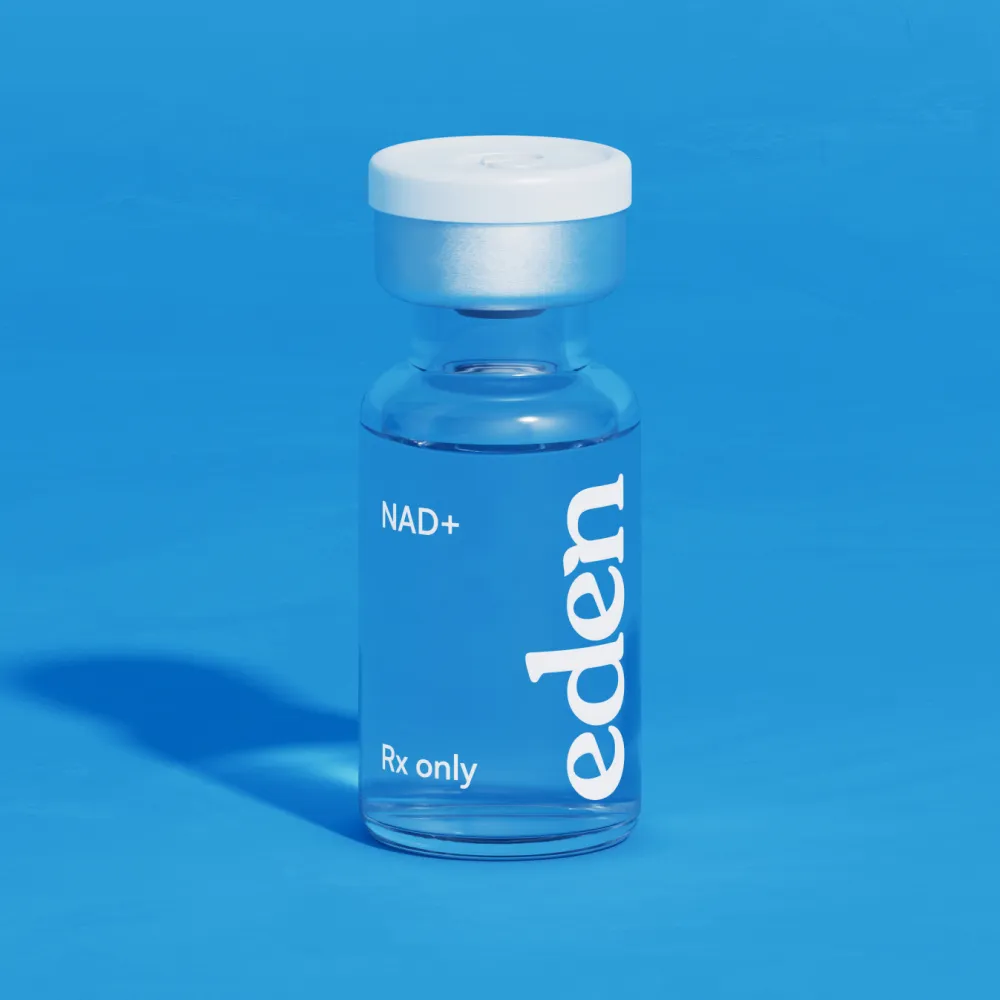
NAD IV Therapy: A Beginner’s Guide




Learn how NAD IV therapy works, what happens during a NAD IV therapy session, potential benefits, side effects, and how to choose a qualified provider.
- NAD IV therapy delivers nicotinamide adenine dinucleotide (NAD) directly into your bloodstream, bypassing the digestive system.
- NAD IV therapy sessions typically last two to four hours, with a healthcare provider monitoring the infusion and adjusting the rate based on your comfort.
- After NAD IV therapy, some individuals may report improved energy, cognitive clarity, physical recovery, and overall wellness—though individual results vary.
- NAD IV therapy is generally well-tolerated. However, side effects, such as nausea, may occur.
- NAD IV therapy is not FDA-approved to treat, cure, or prevent any disease, and long-term effects are not yet well-documented.
This article is for informational purposes only and is not intended as medical advice, diagnosis, or treatment. NAD IV therapy is not FDA-approved to treat, cure, or prevent any disease. Always consult a qualified healthcare provider before starting any new treatment or supplement.
What is NAD IV Therapy?
Instead of swallowing a capsule and waiting for your digestive system to do its job, NAD IV therapy delivers nicotinamide adenine dinucleotide (NAD) directly into your bloodstream through an intravenous drip.
When it comes down to it, NAD is essential for energy metabolism, DNA repair, and cellular communication. It’s involved in hundreds of biological processes that keep your body functioning. However, as with many things, NAD levels decline with age.
This is why many clinics offering NAD IV treatments frequently market them for energy, mental clarity, recovery, and even anti-aging support. But what does the experience actually look like? And does research back up these claims?
What Happens During an NAD IV Drip Session?
An IV may sound daunting, especially if you’ve never had one before. But NAD IV therapy is more relaxed than it sounds—most people spend their session reading, working, or just unwinding.
Before your first drip, a provider will review your health history and take your vitals, such as your blood pressure and heart rate. This ensures the treatment is appropriate for you and helps determine the proper dosage. Some clinics recommend fasting for a few hours beforehand, as many people tolerate the infusion better on an empty stomach.
Once you’re comfortable, a small catheter is placed into a vein—usually in your arm—and the NAD infusion begins. Unlike quick vitamin injections, NAD IV therapy is delivered slowly. Sessions often last between two and four hours, depending on the dose and individual tolerance. The infusion typically starts at a low rate and may be adjusted throughout the session based on how you’re feeling.
During the session, you’re free to relax. Bring a book, catch up on emails, or just close your eyes. A licensed healthcare professional will monitor your progress and can slow the infusion if you experience any discomfort.
Afterward, there’s no required downtime, so you can typically go about your day as you would normally.
{{primary-cta}}
Potential Benefits of NAD IV Therapy
NAD IV therapy may have the following potential benefits:
- Cellular energy support: NAD is essential for mitochondrial function, which helps turn nutrients into usable energy. Increasing NAD levels may, therefore, support overall vitality, particularly as natural production declines with age.
- Cognitive clarity: The brain is one of the most energy-demanding organs in your body. Some people report improved focus, mental sharpness, and reduced brain fog after NAD IV therapy, though individual experiences vary.
- Recovery and physical performance: Athletes and active individuals sometimes use NAD infusions to support muscle recovery and endurance. Early research suggests NAD may play a role in maintaining healthy muscle function, but more studies would help clarify this claim.
- Metabolic support: NAD is involved in many metabolic processes and may support healthy liver function.
- DNA repair: NAD helps activate enzymes involved in DNA maintenance and cellular repair. While it’s not a fountain of youth, supporting these processes may contribute to overall wellness as you age.
At the same time, NAD IV therapy is not FDA-approved to treat, cure, or prevent any disease. The research is promising, but much of it is still emerging. Results can also vary from person to person.
NAD Drip Side Effects
Most people tolerate NAD IV therapy well, but side effects can occur—especially during the infusion itself.
Common sensations during the drip include flushing, warmth, lightheadedness, nausea, or chest tightness. These reactions are typically mild and often resolve by simply slowing the infusion rate. If you experience significant symptoms, tell your provider right away.
Other reported side effects include headaches, cramping, and temporary fatigue. Some people may also experience mild discomfort at the IV site, which usually fades quickly after the session ends.
But is there anyone for whom NAD IV therapy wouldn’t be suitable?
Generally, individuals with certain health conditions—such as chronic kidney or liver disease, uncontrolled high blood pressure, or cardiac instability—may not be good candidates. Pregnant or breastfeeding individuals should also avoid this treatment. This is why it’s essential to always discuss your health history with a qualified provider before starting any treatment.
Long-term effects of regular NAD infusions aren’t yet fully documented, given the limited number of long-term studies. If you’re considering ongoing treatment, working closely with a licensed healthcare provider can help you weigh the potential benefits against any unknowns.
{{primary-cta}}
How to Choose a Qualified Provider
Not all clinics operate at the same standard, and doing a little homework upfront can make for a safer, more comfortable experience. Consider these tips before booking any appointments:
- Look for licensed medical professionals: NAD IV therapy should be administered by trained healthcare providers, such as registered nurses, nurse practitioners, or physicians. Ask who will be overseeing your treatment and what their credentials are. A reputable clinic will be transparent about its staff’s qualifications.
- Make sure a consultation is part of the process: Before your first infusion, you should have a conversation with a licensed provider about your health history, current medications, and wellness goals. Clinics that skip this step or offer treatments without any medical screening should raise a red flag.
- Ask about sourcing and quality: Where does the clinic get its NAD? If a provider can’t tell you where their NAD comes from or how it’s prepared, err on the side of caution.
- Check for proper monitoring during sessions: Because side effects can occur during infusion, a qualified medical professional should be available to adjust the drip rate and address any discomfort.
- Make sure to check reviews beforehand: Patient testimonials can give you a sense of the experience. Consistent feedback about professionalism, cleanliness, and attentive care is a good sign.
- Trust your instinct: If something feels off during your consultation, it’s okay to walk away and explore other options.
If you’re thinking about trying NAD IV therapy and want a little more guidance, Eden is a smart choice. Eden makes it easier to understand what to expect, connect with licensed clinicians, and make a plan that fits your needs—without the hype. Results vary, so it’s still a good idea to talk with a licensed healthcare provider about whether NAD IV therapy is right for you.
Final Thoughts
Results with NAD IV therapy vary, and research is still evolving. It's not the right fit for everyone.
However, if you’re considering NAD IV therapy, start with a discussion with a licensed healthcare provider. Ultimately, the right approach is one that’s informed and personalized.









The FDA does not approve compounded medications for safety, quality, or manufacturing. Prescriptions and a medical evaluation are required for certain products. The information provided on this blog is for general informational purposes only. It is not intended as a substitute for professional advice from a qualified healthcare professional and should not be relied upon as personal health advice. The information contained in this blog is not meant to diagnose, treat, cure, or prevent any disease. Readers are advised to consult with a qualified healthcare professional for any medical concerns, including side effects. Use of this blog's information is at your own risk. The blog owner is not responsible for any adverse effects or consequences resulting from the use of any suggestions or information provided in this blog.
Eden is not a medical provider. Eden connects individuals with independent licensed healthcare providers who independently evaluate each patient to determine whether a prescription treatment program is appropriate. All prescriptions are written at the sole discretion of the licensed provider. Medications are filled by state-licensed pharmacies. Please consult a licensed healthcare provider before making any medical decisions.
Frequently asked questions
Is NAD therapy FDA-approved?

No, NAD IV therapy is not FDA-approved to treat, cure, or prevent any disease. It’s considered a wellness treatment, and results vary from person to person.
What is an NAD infusion?
An NAD infusion delivers nicotinamide adenine dinucleotide (NAD) directly into your bloodstream through an IV drip, bypassing the digestive system. Sessions typically last two to four hours, depending on the dose and your individual treatment plan.
Who should not do NAD treatment?
Individuals with chronic kidney or liver disease, uncontrolled high blood pressure, or cardiac issues should avoid NAD IV therapy. Pregnant or breastfeeding individuals should also skip this type of treatment.
How long does it take to notice any effects?
Results vary and depend on factors such as dosage, frequency, and individual health.
Are there any risks of NAD+ IV therapy?
Side effects are generally mild and may include flushing, nausea, lightheadedness, or discomfort at the IV site during infusion. Long-term risks aren’t well-documented, which is why it’s important to work with a licensed healthcare provider and discuss your health history beforehand.
Related articles










Conlon N. J. (2022). The Role of NAD+ in Regenerative Medicine. Plastic and reconstructive surgery, 150(4 Suppl ), 41S–48S. https://doi.org/10.1097/PRS.0000000000009673
Goody, M. F., & Henry, C. A. (2018). A need for NAD+ in muscle development, homeostasis, and aging. Skeletal muscle, 8(1), 9. https://doi.org/10.1186/s13395-018-0154-1
Thank you!
We'll be in touch.
Thank you!