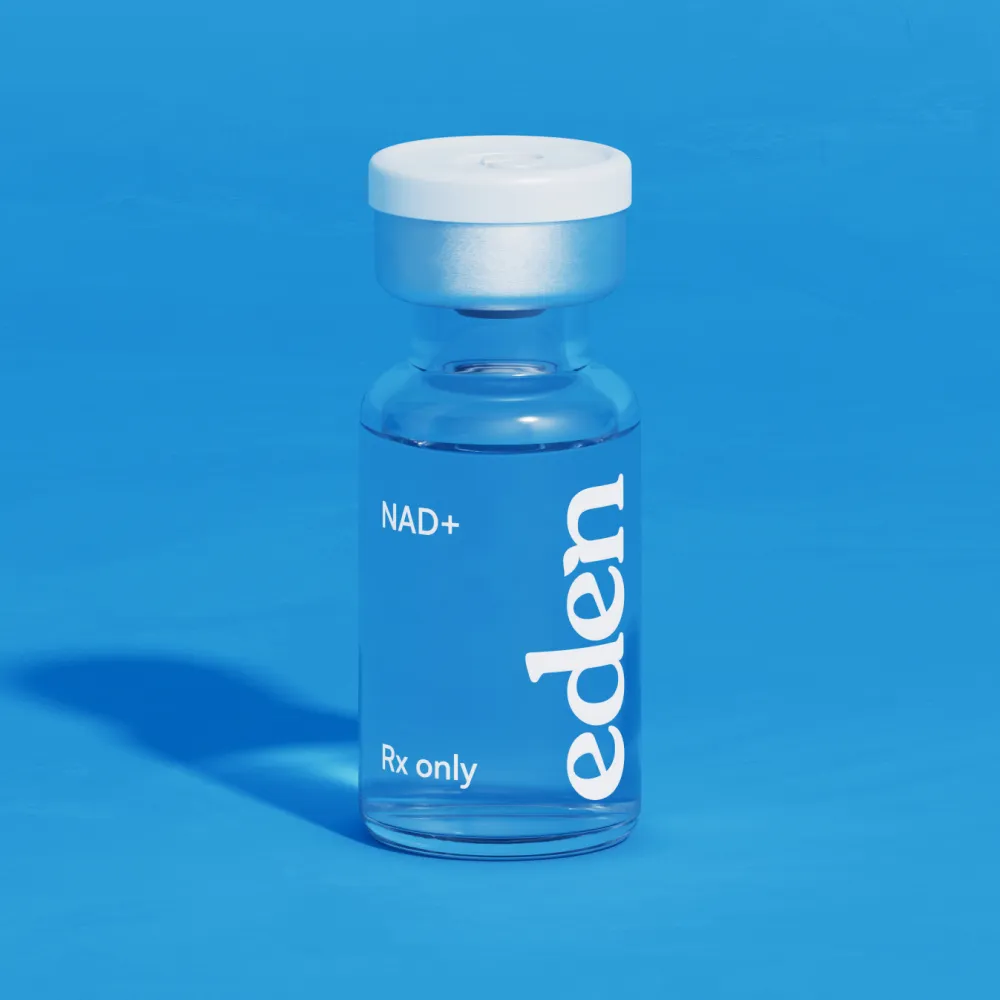
NAD Peptides: Everything You Need to Know




Learn what NAD peptides are, how they work in the body, potential benefits and risks, and how to explore NAD peptide options with a licensed provider.
- An NAD peptide is a short chain of amino acids that is being studied for its potential interaction with your body’s natural NAD+ production pathways.
- Areas of ongoing research interest include cellular energy, cognitive clarity, healthy aging, and physical recovery, though research is still evolving.
- Some side effects have been reported, with the most common being injection site reactions, nausea, headaches, and temporary fatigue.
- NAD+ peptides aren’t for everyone. Consulting a licensed healthcare provider before starting NAD treatment is essential, especially if you're pregnant, nursing, or managing other health conditions.
NAD peptides are often offered as compounded medications, which may be prescribed only when a licensed prescriber determines a clinically significant difference for an identified patient. Compounded medications are not reviewed or approved by the FDA for safety, efficacy, or quality.
This article is for informational purposes only and is not intended as medical advice, diagnosis, or treatment. Always consult with a licensed healthcare provider before starting any new supplement, peptide, or wellness treatment to determine what’s appropriate for your individual health needs.
What Are NAD+ Peptides?
Originally confined to research labs and wellness clinics, NAD boosters and peptides have steadily made their way into podcasts, social media, and everyday health conversations—especially among people interested in energy, aging, and cellular health.
But what are NAD peptides anyway?
Let’s start with some basics: NAD+ (nicotinamide adenine dinucleotide) is a coenzyme involved in energy metabolism, cellular repair, and cellular signaling. It exists alongside its reduced form, NADH, and the balance between the two is central to how your cells produce and use energy. The NADH structure differs slightly from NAD+ since it carries an extra electron, which plays a role in the chemical reactions that power your mitochondria.
As NAD+ levels decline with age, some people look for ways to potentially restore them. And while traditional NAD boosters, such as NMN or NR, provide precursors your body converts into NAD+, peptides work a little differently.
Peptides are short chains of amino acids. They act as signaling molecules in your body, triggering specific biological responses depending on their structure. As such, NAD+ peptides are being studied for how they may interact with NAD+ production or utilization. Yet, how does this translate over into better health?
{{primary-cta}}
NAD Peptide Benefits
Research on NAD peptides is limited and ongoing, and no benefits have been established or approved by the FDA. Researchers continue to be interested in the possibility that NAD peptides may support the same systems that NAD+ influences. With that in mind, here are the main potential benefits these peptides may offer:
Cellular Energy Production
Your cells rely on NAD+ to convert nutrients into usable energy. When levels are low, that process becomes less efficient—and some people report feeling fatigued or sluggish, though many factors can contribute.
NAD+ peptides are being studied for their potential role in metabolic pathways involved in energy production.
Cognitive Clarity and Focus
The brain is one of the most energy-demanding organs in your body. And NAD+ plays a role in brain cell energy metabolism, cell signalling, and supporting healthy brain function. Some early research suggests that boosting NAD+ pathways may be linked to cognitive function, though more studies are needed to understand how peptides specifically contribute.
Healthy Aging at the Cellular Level
NAD+ is closely tied to sirtuins—a group of proteins involved in DNA repair, inflammation regulation, and longevity pathways. As NAD+ declines with age, so does sirtuin activity.
Peptides that support NAD+ levels are being studied for their relationship to these protective processes, which is why they’ve gained traction in the healthy-aging and longevity research space.
Recovery and Physical Performance
Whether it’s post-workout recovery or bouncing back from daily wear and tear, your cells need resources to repair themselves. NAD+ is involved in the signaling that triggers cellular repair mechanisms.
NAD+ Peptide: Risks & Safety Profile
NAD+ peptides are still being studied, and human safety data may be limited, but they can have a few potential downsides.
At the end of the day, research on NAD+ peptides is very limited. Much of what we know comes from studies on NAD+ itself or related precursors, including NMN and NR.
Most reported side effects are mild and may include:
- Injection site reactions (redness, swelling, or discomfort where the peptide is administered)
- Nausea or digestive upset (particularly when starting treatment)
- Headaches
- Fatigue or flushing
- Sleep disturbances
These effects typically resolve on their own as your system adjusts, but if they persist, it’s important to consult with a licensed healthcare provider.
NAD+ peptides may also not be appropriate for everyone. If you’re pregnant, nursing, managing a chronic condition, or taking other medications, discuss your options with a licensed healthcare provider before starting any supplementation.
{{primary-cta}}
Should You Explore NAD Treatment?
NAD treatment is not an FDA-approved therapy and may refer to a range of investigational or compounded approaches evaluated by licensed providers. Ultimately, whether NAD therapy is right for you depends on a few factors.
First and foremost, it’s important to talk to a licensed healthcare provider to determine if NAD treatment makes sense for you and your health.
It’s also worth considering what you’ve already tried. Essential lifestyle factors, such as sleep, nutrition, and stress management, should be addressed first, with supplements supplementing what you’re already doing.
Additionally, NAD+ peptides may involve a series of treatments, and they’re not always covered by insurance. Thus, budgeting and ensuring this type of therapy aligns with your finances is another important step.
Ultimately, the best way to determine whether NAD treatment is right for you is to consult with a licensed healthcare provider who can evaluate your health history, goals, and any potential interactions with medications or conditions.
Final Thoughts
NAD+ peptides represent one of the newer areas being explored in cellular health research. At the same time, research is still emerging, and individual responses can vary.
Making an informed choice is important and should involve working with a qualified healthcare provider who can consider your individual health history to determine if NAD is appropriate for you.









The FDA does not approve compounded medications for safety, quality, or manufacturing. Prescriptions and a medical evaluation are required for certain products. The information provided on this blog is for general informational purposes only. It is not intended as a substitute for professional advice from a qualified healthcare professional and should not be relied upon as personal health advice. The information contained in this blog is not meant to diagnose, treat, cure, or prevent any disease. Readers are advised to consult with a qualified healthcare professional for any medical concerns, including side effects. Use of this blog's information is at your own risk. The blog owner is not responsible for any adverse effects or consequences resulting from the use of any suggestions or information provided in this blog.
Eden is not a medical provider. Eden connects individuals with independent licensed healthcare providers who independently evaluate each patient to determine whether a prescription treatment program is appropriate. All prescriptions are written at the sole discretion of the licensed provider. Medications are filled by state-licensed pharmacies. Please consult a licensed healthcare provider before making any medical decisions.
Frequently asked questions
What does the NAD+ peptide do?

NAD+ peptides are being studied for how they interact with pathways related to NAD+ metabolism. However, clinical effects in humans have not been well-established.
What is the difference between a NAD and NADH supplement?
NAD+ and NADH are two forms of the same coenzyme; NAD+ is the oxidized form used in energy-producing reactions, and NADH is the reduced form that carries electrons.
How are NAD+ peptides administered?
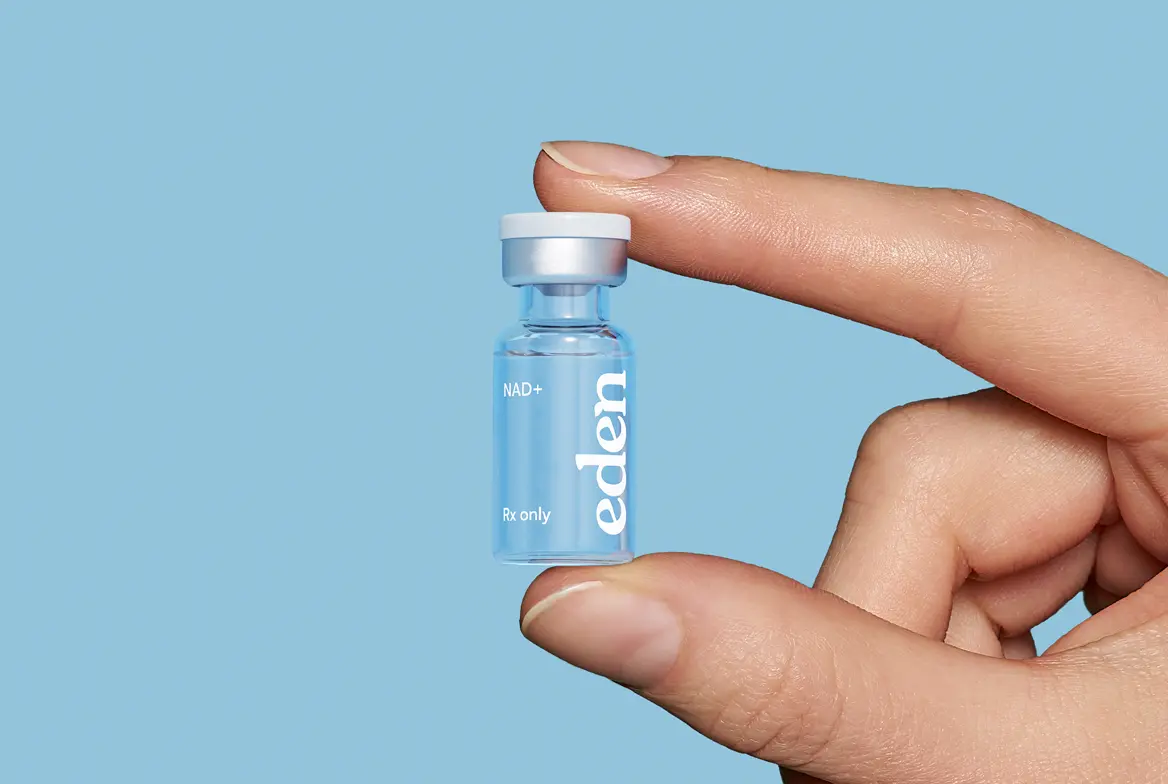
NAD+ peptides are sometimes administered via subcutaneous injection under medical supervision, meaning they’re injected just beneath the skin.
How long does it take to see results from NAD+ peptides?
Results vary depending on individual factors, including age, health status, and treatment frequency.
Are NAD+ peptides the same as NAD+ IV therapy?
No, they work differently. NAD+ IV therapy delivers NAD+ directly into your bloodstream, and peptides may support your body’s own NAD+ production pathways. Both aim to boost NAD+ levels, but through different mechanisms.
Related articles









Bonkowski, M. S., & Sinclair, D. A. (2016). Slowing ageing by design: the rise of NAD+ and sirtuin-activating compounds. Nature reviews. Molecular cell biology, 17(11), 679–690. https://doi.org/10.1038/nrm.2016.93
Covarrubias, A. J., Perrone, R., Grozio, A., & Verdin, E. (2021). NAD+ metabolism and its roles in cellular processes during ageing. Nature reviews. Molecular cell biology, 22(2), 119–141. https://doi.org/10.1038/s41580-020-00313-x
Lautrup, S., Sinclair, D. A., Mattson, M. P., & Fang, E. F. (2019). NAD+ in Brain Aging and Neurodegenerative Disorders. Cell metabolism, 30(4), 630–655. https://doi.org/10.1016/j.cmet.2019.09.001
Wang, L., Wang, N., Zhang, W., Cheng, X., Yan, Z., Shao, G., Wang, X., Wang, R., & Fu, C. (2022). Therapeutic peptides: current applications and future directions. Signal transduction and targeted therapy, 7(1), 48. https://doi.org/10.1038/s41392-022-00904-4
Thank you!
We'll be in touch.
Thank you!