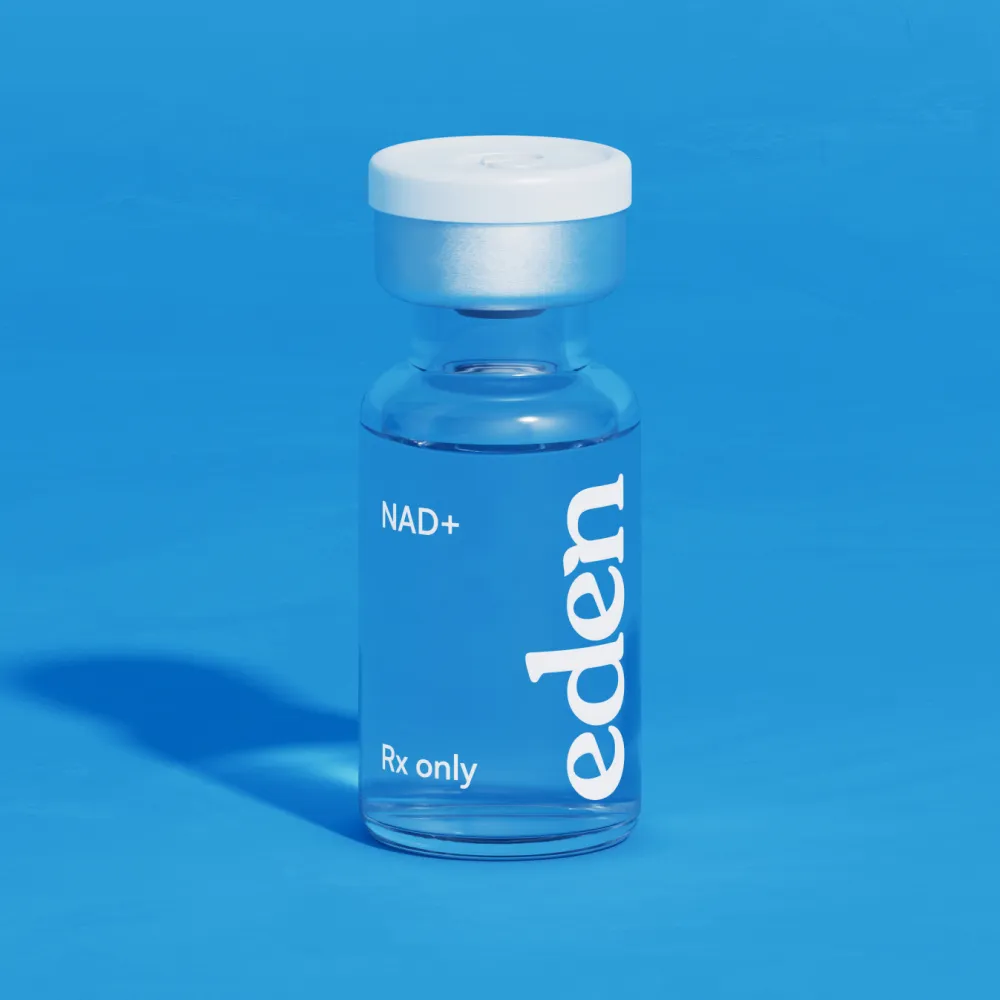
NAD+ Injections vs Supplements: Key Differences



NAD+ injections vs supplements: compare effectiveness, absorption, benefits, IV therapy, and what research says about NAD+, NAD shots, and NAD injections.
- NAD+ is a coenzyme that helps produce energy in cells and supports various metabolic processes.
- NAD+ injections (NAD shots) deliver NAD+ straight into the body. In contrast, supplements go through the digestive system first.
- Most research on NAD+ focuses on its effects on cellular metabolism, mitochondrial function, and DNA repair, rather than on anti-aging therapies.
- IV therapy, injections, and oral supplements differ in how they’re given, how well they are absorbed, how convenient they are, and how much they cost.
- There is currently no FDA-approved NAD+ drug product available.
- The best option depends on your personal goals, preferences, and advice from a licensed healthcare provider.
NAD+ Injections vs Supplements: Which Works Better?
There is currently no strong head-to-head clinical evidence showing that NAD+ injections are universally more effective than oral supplements. Injections and IV therapy may provide more direct delivery to the bloodstream, whereas supplements rely on digestion and conversion to NAD+ within the body. The “better” option depends on convenience, cost, health history, and guidance from a licensed healthcare provider. To better understand why delivery method matters, it helps to look at how NAD+ enters and functions in the body.
How NAD+ Enters the Body And Why Delivery Method Matters
If you’ve been researching cellular health, energy metabolism, or longevity science, you’ve likely come across NAD+. A common question people ask is:
What’s the difference between NAD+ injections and supplements, and does it really matter?
If you’re considering an NAD shot or an NAD supplement, it helps to understand how each option works so you can decide what’s best for you.
In this guide, we’ll explain the science behind NAD+, compare injections, IV therapy, and supplements, and summarize current research. Let’s get into it.
{{primary-cta}}
What is NAD+?
Nicotinamide adenine dinucleotide (NAD+) is a coenzyme found in every cell in the body. It’s important for several key processes, including:
- Producing energy in cells (making ATP, the cell’s energy currency)
- Supporting redox reactions, which involve moving electrons
- Helping mitochondria work properly
- DNA repair pathways
- Taking part in cell signaling
NAD+ levels go down as we age and can also be affected by stress, metabolism, and lifestyle choices.
Although NAD+ is well studied in biomedical research, no FDA-approved NAD+ drug is currently available.
NAD+ Injections vs Supplements: How They Differ
The main difference between NAD+ injections and supplements is how your body absorbs and uses them.
1. NAD+ Injections (NAD Shot)
NAD+ injections put NAD+ straight into your muscle, so it does not go through your digestive system.
Potential characteristics:
- Administered by a licensed healthcare provider
- May allow more direct systemic availability
- Typically used in medical or wellness clinic settings
Some individuals choose injections because they bypass the digestive process, which may facilitate absorption. Still, research comparing injections to oral forms is ongoing.
2. NAD+ IV Therapy
IV therapy delivers NAD+ intravenously over a longer infusion period.
Potential characteristics:
- Administered in a clinical setting
- Slower, controlled infusion
- Higher cost and time commitment
- Often requires in-office visits
IV delivery may allow immediate circulation into the bloodstream, but it’s generally more time-consuming than a single NAD shot.
3. Oral NAD+ Supplements
Oral supplements usually have NAD+ precursors like:
- Nicotinamide riboside (NR)
- Nicotinamide mononucleotide (NMN)
- Niacin (vitamin B3)
Because NAD+ itself is a large molecule, supplements often rely on precursors that the body converts into NAD+ internally. As a result, oral supplements must pass through the digestive system and undergo metabolic conversion before contributing to NAD+ levels in circulation.
Potential characteristics:
- Convenient and taken at home
- More affordable
- Individual responses can vary.
Some studies suggest that certain NAD+ precursors can increase blood NAD+ levels, but more research is needed on their long-term effectiveness and outcomes. So what does current research tell us?
What Does Research Say About NAD+ Injections vs Supplements?
Most human research on NAD+ has focused on oral precursors such as nicotinamide riboside (NR) and nicotinamide mononucleotide (NMN). Direct head-to-head clinical trials comparing NAD+ injections, IV therapy, and oral supplements are limited. While injections bypass digestion, current research does not conclusively show that one delivery method is universally more effective than another. Long-term outcome data are evolving, and more large-scale human studies are needed.
Why the Delivery Method Gets So Much Attention
The main reason people compare shots, IV therapy, and supplements is bioavailability—how a substance is absorbed and used in the body. Injections and IV therapy skip digestion, while oral options rely on absorption and conversion in the body. Even so, a more direct route doesn’t automatically mean better results, since response can vary by dose, health history, and individual biology. Research is ongoing, and there is no strong head-to-head evidence that one method is universally superior.
Cost Comparison
Cost is one of the biggest practical differences between NAD+ delivery methods.
In general:
- NAD+ injections and IV therapy tend to cost more because they require clinical administration and provider time.
- Oral NAD+ supplements are typically more affordable and convenient for long-term home use.
For many people, cost and convenience are major factors when choosing between in-clinic options and at-home supplements.
Actual pricing varies depending on dosage, provider, and geographic location. For some people, convenience and frequency of use may influence long-term cost considerations. When comparing options, it’s helpful to weigh both budget and practical sustainability.
{{primary-cta}}
Safety Considerations
Potential side effects vary by delivery method and individual health status. Reported effects may include:
- Injection site discomfort
- Nausea
- Headache
- Flushing (more common with certain precursors)
Because NAD+ injections are administered by a healthcare provider, medical screening is important. Oral supplements should also be discussed with a licensed provider, especially for individuals with medical conditions or those taking medications.
There is currently no FDA-approved NAD+ drug product available.
Final Thoughts
NAD+ injections, IV therapy, and oral supplements each offer different approaches to supporting NAD+ levels in the body. While research continues to evolve, there isn’t a one-size-fits-all answer. The right option depends on your preferences, lifestyle, budget, and overall health goals.
If you’re exploring NAD+ therapy and want guidance tailored to your specific situation, Eden can help connect you with a licensed healthcare provider who can discuss your options and determine what may be appropriate for you. Taking the time to understand your choices is an important first step toward making an informed decision.









The FDA does not approve compounded medications for safety, quality, or manufacturing. Prescriptions and a medical evaluation are required for certain products. The information provided on this blog is for general informational purposes only. It is not intended as a substitute for professional advice from a qualified healthcare professional and should not be relied upon as personal health advice. The information contained in this blog is not meant to diagnose, treat, cure, or prevent any disease. Readers are advised to consult with a qualified healthcare professional for any medical concerns, including side effects. Use of this blog's information is at your own risk. The blog owner is not responsible for any adverse effects or consequences resulting from the use of any suggestions or information provided in this blog.
Eden is not a medical provider. Eden connects individuals with independent licensed healthcare providers who independently evaluate each patient to determine whether a prescription treatment program is appropriate. All prescriptions are written at the sole discretion of the licensed provider. Medications are filled by state-licensed pharmacies. Please consult a licensed healthcare provider before making any medical decisions.
Frequently asked questions
Are NAD+ injections better than supplements?

There is currently no strong clinical evidence showing NAD+ injections are universally more effective than oral supplements. Research comparing delivery methods is ongoing.
How long do NAD+ injections last?
Duration may vary depending on dosage, metabolism, and individual response. A licensed healthcare provider can provide guidance based on personal health factors.
Do NAD+ supplements actually work?
Some NAD+ precursors have been shown in studies to increase NAD+ levels in the bloodstream. However, long-term clinical outcomes are still being studied.
Is NAD+ IV therapy more effective than a NAD shot?
Both bypass digestion, but IV therapy typically involves longer infusion times. There is no conclusive evidence that one method is universally superior.
Related articles










Canto, C., Menzies, K. J., & Auwerx, J. (2015). NAD+ metabolism and the control of energy homeostasis: A balancing act between mitochondria and the nucleus. Cell Metabolism, 22(1), 31–53. https://doi.org/10.1016/j.cmet.2015.05.023
Covarrubias, A. J., Perrone, R., Grozio, A., & Verdin, E. (2021). NAD+ metabolism and its roles in cellular processes during ageing. Nature Reviews Molecular Cell Biology, 22(2), 119–141. https://www.nature.com/articles/s41580-020-00313-x
Trammell, S. A. J., Schmidt, M. S., Weidemann, B. J., et al. (2016). Nicotinamide riboside is uniquely and orally bioavailable in mice and humans. Nature Communications, 7, 12948. https://www.nature.com/articles/ncomms12948
Thank you!
We'll be in touch.
Thank you!