Prescription Weight Loss Pills: Options, Risks, Benefits, and When They Make Sense




Exploring prescription weight loss pills? Compare FDA-approved oral options to GLP-1 injections, review risks and benefits, and find out if you qualify. Get started today.
- FDA-approved prescription weight loss pills include orlistat, phentermine-topiramate, bupropion-naltrexone, and some GLP-1 medications.
- GLP-1 medications, both injectable and oral, have shown significant weight loss in clinical trials for FDA-approved products, though results vary by medication and individual.
- Traditional pills may be preferred by patients with needle aversion or cost constraints, but efficacy varies significantly by medication.
- All prescription weight loss medications come with certain risks and require evaluation by a licensed provider.
- Prescription medications work best alongside lifestyle changes; they’re not standalone solutions.
- Telehealth programs like Eden make it possible to access medically supervised weight-loss care online, including evaluation by a licensed provider to determine appropriate treatment options, without insurance and with transparent pricing.
This article is for informational purposes only and is not intended as medical advice. Always consult a licensed healthcare provider before starting any prescription medication.
Prescription weight loss medication is no longer a niche or last-resort option. For many adults who haven’t reached their goals through diet and exercise alone, it has become a mainstream, medically supervised tool, including pill and injection forms.
In this article, we walk through what’s available, how each oral weight-loss medication works, who may qualify, and how to make the best decision for you and your life.
What Are Prescription Weight Loss Pills?
Prescription weight loss pills are oral medications that have been evaluated by the U.S. Food and Drug Administration (FDA) for safety and effectiveness in supporting weight loss, or are prescribed off-label by a licensed provider when clinical evidence supports their use for weight management. They’re intended to be used alongside lifestyle changes, including healthy exercise and dietary habits.
However, the term “diet pills” frequently refers to both over-the-counter options and prescription weight loss options. In this article, we’ll focus exclusively on prescription oral medications—the kind that require a provider’s evaluation, follow-up monitoring, and proper medical oversight.
Who May Qualify for Prescription Weight Loss Medication?
Eligibility for prescription weight loss treatment is generally based on Body Mass Index (BMI) and overall health profile. The standard clinical thresholds are:
- A BMI of 30 or higher (categorized as obesity), or
- A BMI of 27 or higher with at least one weight-related health condition, such as type 2 diabetes, high blood pressure, or high cholesterol.
In simpler terms, a BMI of 30+ generally means a provider may consider prescription treatment. If your BMI is between 27 and 30, you may still qualify if you have a related condition, such as hypertension or insulin resistance. If you’re unsure where you fall, use Eden’s BMI calculator to get a quick estimate.
When determining whether a prescription is appropriate, a licensed provider will review your full health history, current medications, and goals before making a decision.
Prescription weight loss medications are not appropriate during pregnancy or breastfeeding.
FDA-Approved Prescription Weight Loss Pills: A Breakdown
Below are the major FDA-approved oral medications currently used for weight management.
Orlistat (Xenical® / Alli®)
Instead of suppressing appetite, orlistat blocks the absorption of about one-third of the fat you eat by inhibiting an enzyme in the gut. Because unabsorbed fat passes through the digestive system, orlistat requires a low-fat diet to limit gastrointestinal side effects, such as oily stools, gas, and urgent bowel movements.
A lower-dose version (Alli®) is available over-the-counter. But the prescription-strength version (Xenical®) is more potent. In clinical studies, orlistat may produce 3-5% more weight loss than a placebo over one year.
Phentermine-Topiramate (Qsymia®)
Qsymia® contains phentermine (a stimulant that may suppress appetite) with topiramate (an anticonvulsant that may also reduce appetite and increase calorie burning). Phentermine is a Schedule IV controlled substance, so it carries some potential for dependence, though misuse rates appear low when used under clinical supervision.
Common side effects may include elevated heart rate, insomnia, dry mouth, and constipation. Topiramate also carries a known risk of birth defects, so women of childbearing age should use effective contraception while taking it. In clinical trials, some patients reportedly lost up to about 10% of their body weight over one year.
Bupropion-Naltrexone (Contrave®)
Contrave® includes bupropion (used for depression and smoking cessation) with naltrexone (used for alcohol and opioid use disorder). Together, they may help reduce food cravings and appetite by influencing the brain’s reward and hunger pathways. In clinical trials, average weight loss was roughly 5-6% of body weight over one year.
Side effects may include nausea, headache, constipation, and elevated blood pressure (which a provider will monitor). Contrave® also carries a boxed warning related to suicidal thoughts.
Oral Semaglutide (Wegovy® Pill): A GLP-1 in Pill Form
The Wegovy® pill is a once-daily oral GLP-1 receptor agonist, the first oral GLP-1 approved by the FDA in December 2025 for chronic weight management. It contains the same medication class as the injectable Wegovy®, but in tablet form.
GLP-1 receptor agonists may work by mimicking a natural gut hormone (GLP-1) that slows gastric emptying, reduces appetite, and helps people feel full sooner and longer. The Wegovy® pill must be taken on an empty stomach with a small amount of water, with food and other beverages delayed for at least 30 minutes afterward.
In the OASIS 4 clinical trial, adults taking once-daily oral semaglutide 25 mg lost an average of about 16.6% of their body weight over 64 weeks (about 13.6% in the broader treatment-policy analysis), though these results reflect clinical trial conditions and may not represent individual outcomes.
(Want a deeper look at how GLP-1s like semaglutide work? Check out this article on semaglutide to learn more.)
Orforglipron (Foundayo™): A Newer Oral GLP-1
Foundayo™ (orforglipron) is a once-daily oral GLP-1 receptor agonist from Eli Lilly that was approved by the FDA in April 2026 for chronic weight management in adults with obesity or overweight with related comorbidities. Unlike the Wegovy® pill, Foundayo™ can be taken any time of day, with or without food or water, which may improve adherence for some patients.
In the ATTAIN-1 clinical trial, adults taking the highest dose (36 mg) lost an average of 11.2% of their body weight over 72 weeks, though results reflect clinical trial conditions and may not represent individual outcomes. Common side effects include nausea, constipation, diarrhea, vomiting, and abdominal pain, and long-term data is still emerging.
Off-Label Oral Medications Sometimes Used for Weight Loss
Licensed providers may also prescribe medications “off-label” for weight management. This means that the medication is FDA-approved for another condition but has clinical evidence supporting its use for weight loss. In fact, off-label prescribing is a common and legitimate part of medicine. So, here are some oral medications that may fall under this category:
Metformin
Metformin is a first-line type 2 diabetes medication that may also support modest weight loss, particularly in people with insulin resistance or prediabetes. It’s not FDA-approved specifically for weight loss, but it’s widely used off-label for this purpose. It’s one of the medications that may be included in Eden’s Custom Weight Loss Kit.
Yet, average weight loss is generally modest, reportedly around 2-3 kg, but metformin has a strong safety profile and is relatively inexpensive.
Topiramate (Alone)
Topiramate, the anticonvulsant component of Qsymia®, is sometimes prescribed alone off-label for weight management. As mentioned earlier, it carries a known risk of birth defects and requires close provider oversight, particularly for women of childbearing age.
Bupropion XL (Alone)
Bupropion XL, the extended-release form of the antidepressant in Contrave®, is sometimes prescribed alone off-label for weight management, particularly for patients whose eating patterns are tied to mood. Bupropion XL may also be included in Eden’s Custom Weight Loss Kit, alongside other adjunct medications and nutrients.
Low-Dose Naltrexone (LDN)
Low-dose naltrexone is sometimes prescribed off-label. It’s distinct from the higher-dose naltrexone in Contrave® and is sometimes used as part of a comprehensive oral weight loss plan.
Prescription Weight Loss Pills vs. GLP-1 Injections: How Do They Compare?
The GLP-1 vs. pills comparison comes down to a few key factors, including how each works, how much weight people typically lose, the side-effect profile, and what fits your lifestyle.
How They Work
Most traditional prescription weight loss pills work either by suppressing appetite (such as phentermine-topiramate and bupropion-naltrexone) or by blocking fat absorption (orlistat).
Injectable GLP-1 medications, such as semaglutide (Wegovy®) and tirzepatide (Zepbound®), work by mimicking the GLP-1 hormone to slow gastric emptying, reduce appetite, and influence the brain’s hunger signals. Oral GLP-1s, including the Wegovy® pill and Foundayo™, use the same mechanism, just delivered in pill form. It’s worth noting, however, that the bioavailability of the pill may not be as high as the injectable forms.
Efficacy: How Much Weight May People Lose?
Outcomes from major clinical trials vary significantly between medications and include:
- Orlistat: ~3-5% more weight loss than placebo over one year
- Phentermine-topiramate (Qsymia®): up to ~10% body weight at one year
- Bupropion-naltrexone (Contrave®): ~5-9% body weight at one year
- Oral semaglutide (Wegovy® pill): ~13-17% body weight over 64 weeks
- Injectable semaglutide (Wegovy®): ~15% body weight over 68 weeks (in the STEP 1 trial)
- Injectable tirzepatide (Zepbound®): up to ~21% body weight over 72 weeks (in the SURMOUNT-1 trial)
- Orforglipron (Foundayo™): ~12.4% body weight over 72 weeks at the highest dose
These are clinical trial averages; individual results may vary. Generally, GLP-1 medications show the highest efficacy among currently available options.
Side Effects: What’s Different Between Pills and Injections?
GLP-1 medications, in both pill and injection form, share a common side effect profile, which may include nausea, vomiting, diarrhea, and constipation (particularly during dose escalation). These often improve over time. (For more on managing this, see our guide to GLP-1 side effects.)
Traditional pills come with other risks; phentermine-containing options may raise heart rate and blood pressure. Bupropion-naltrexone may have mood-related considerations. And Orlistat may cause GI effects.
Additionally, injections require comfort self-administration, but pills eliminate this barrier. But keep in mind that neither category is universally safer; the right choice depends on your health history and other factors.
Convenience and Lifestyle Fit
Needle aversion is a real and valid concern. Thus, oral medications may be a better fit for people who aren’t comfortable with injections.
Most injectable GLP-1s are taken once weekly, and most pills are taken once or twice daily. The Wegovy® pill requires specific timing (on an empty stomach, with a small amount of water, and no food or drink for 30 minutes). Yet, Foundayo™ doesn’t have those restrictions. Ultimately, the best option is one that you’ll be consistent with.
Cost and Access
Branded injectable GLP-1s, including Wegovy® and Zepbound®, may cost $900 to $1,400 or more per month at retail without insurance. Brand-name oral GLP-1s are similarly priced.
Traditional pills, such as phentermine, metformin, and orlistat, are generally less expensive.
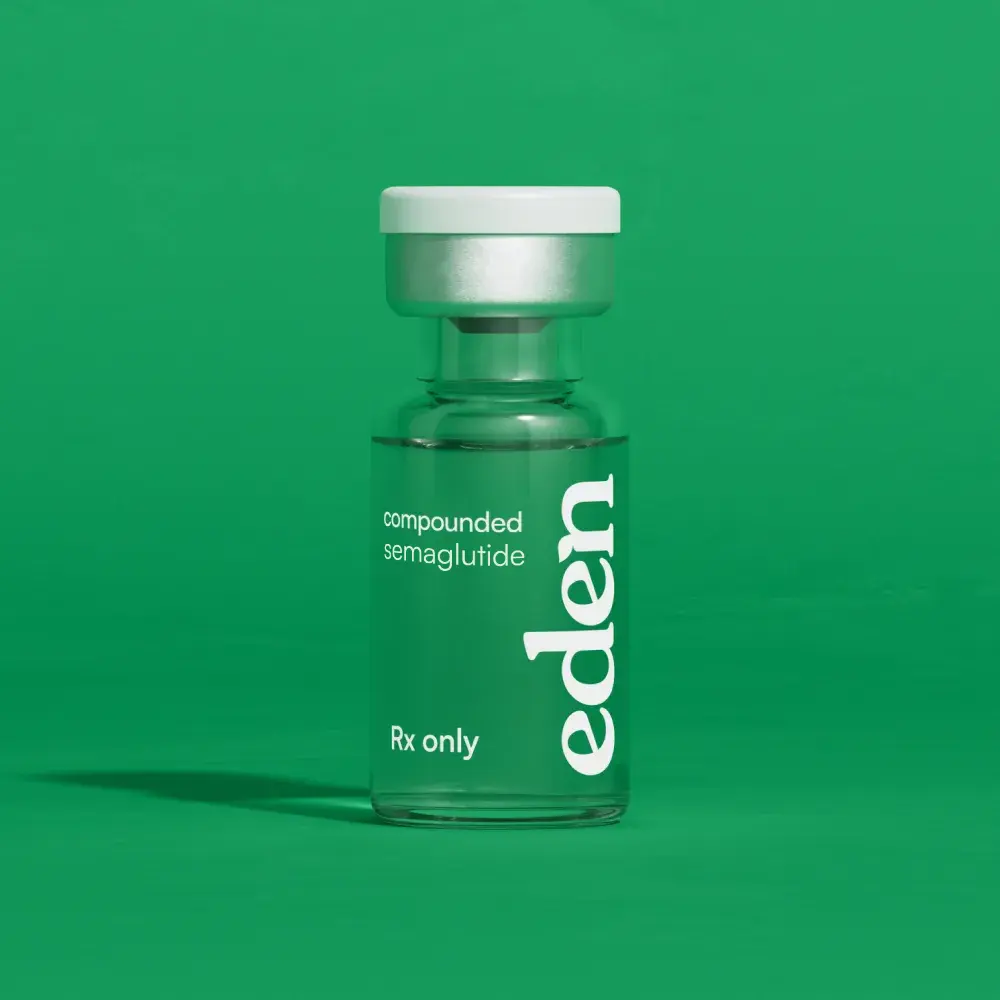
For patients without insurance coverage for branded GLP-1s, compounded semaglutide and tirzepatide (available through programs like Eden’s GLP-1 Weight Loss Treatments) may be considered by a licensed provider when clinically appropriate for an individual patient. But keep in mind that compounded medications are not FDA-approved and may only be prescribed when a licensed provider determines a clinically significant difference for an identified patient. These medications may also vary in formulation and potency.
What to Expect When Starting Prescription Weight Loss Medication
Whether you start a pill or an injection, the experience tends to follow a few predictable patterns. Most weight loss medications are started at a low dose and gradually increased over weeks or months to minimize side effects. Rushing the titration schedule may increase the likelihood of nausea and other GI symptoms.
It’s also important to go in with the mindset that results take time. Prescription weight loss medications are not fast-acting in the way old-school stimulant diet pills were marketed. Any changes in weight typically become apparent after several months. If a patient hasn’t lost at least 5% of body weight after 3-6 months on a full dose, a licensed provider may consider switching to a different medication.
All of these medications work best alongside a reduced-calorie diet and regular physical activity. Ultimately, they are tools that may support behavior change, but shouldn’t replace the foundational habits that support your overall health. Many patients also need to continue medication long-term to maintain results, since weight regain after stopping is common.
For a deeper overview of common experiences, such as nausea, appetite changes, dose escalation, and how providers may guide adjustments, explore Eden’s resources on GLP-1 side effects and what to expect during treatment.
Risks and Important Safety Considerations
Every prescription weight loss medication comes with potential risks. Here are the most important ones you should know:
- Cardiovascular risks: Phentermine-containing medications may raise heart rate and blood pressure. Individuals with cardiovascular disease should discuss this carefully with their provider.
- Mental health risks: Bupropion-naltrexone carries a boxed warning for suicidal thoughts. Anyone with a history of depression or mood disorders should disclose this during their consultation.
- Pregnancy: Most prescription weight loss medications are contraindicated during pregnancy. Topiramate specifically carries a risk of birth defects.
- Drug interactions: Many of these medications interact with other prescription drugs. This is why it’s important to share your full medication list with your prescribing provider.
- Compounded medications: The FDA has raised concerns about compounded versions of semaglutide and tirzepatide from unvetted sources. Compounded medications are not FDA-approved, and they should always come from a state-licensed compounding pharmacy that conducts third-party testing.
At the end of the day, all prescription weight loss medications carry potential risks that need to be evaluated by a licensed healthcare provider based on your individual health history.
Is a Prescription Weight Loss Pill Right for You?
Overall, the answer to this question comes down to each individual, their situation, and what a licensed healthcare provider recommends. You may be a candidate if you have a BMI of 30 or higher, or a BMI of 27 or higher with a related health condition, and you haven’t achieved sufficient results through diet and exercise alone.
If you’re uncomfortable with injections, oral options may be worth discussing with a licensed provider. And if you have any pre-existing health conditions, having a licensed provider determine what’s best for you can ensure your safety comes first.
If cost is a concern, telehealth programs like Eden can help patients review GLP-1 treatment options with a licensed provider, who may consider compounded medications when clinically appropriate.
Eden can help simplify this process. Begin with a quick online intake. From there, Eden coordinates care by connecting you with a licensed healthcare provider who evaluates your health history, goals, and lifestyle to determine whether treatment is appropriate.












The FDA does not approve compounded medications for safety, quality, or manufacturing. Prescriptions and a medical evaluation are required for certain products. The information provided on this blog is for general informational purposes only. It is not intended as a substitute for professional advice from a qualified healthcare professional and should not be relied upon as personal health advice. The information contained in this blog is not meant to diagnose, treat, cure, or prevent any disease. Readers are advised to consult with a qualified healthcare professional for any medical concerns, including side effects. Use of this blog's information is at your own risk. The blog owner is not responsible for any adverse effects or consequences resulting from the use of any suggestions or information provided in this blog.
Eden is not a medical provider. Eden connects individuals with independent licensed healthcare providers who independently evaluate each patient to determine whether a prescription treatment program is appropriate. All prescriptions are written at the sole discretion of the licensed provider. Medications are filled by state-licensed pharmacies. Please consult a licensed healthcare provider before making any medical decisions.
Frequently asked questions
What is the most effective prescription weight loss pill?

Efficacy varies by medication. The “most effective” option for you specifically depends on your health history, goals, and tolerance, which is why a licensed provider should help guide this decision.
Can I get prescription weight loss pills online?
Yes, through a licensed telehealth platform, you can complete an online intake, consult with a licensed provider, and have an oral weight loss medication shipped to your door if treatment is determined to be appropriate.
How long do I need to take prescription weight loss pills?
Many patients need to continue medication long-term to maintain results. Unfortunately, weight regain after stopping these medications is common. A licensed provider can help you plan for short-term and long-term treatment based on your goals and progress.
Related articles










ALLI. (2008). ALLI. https://www.accessdata.fda.gov/drugsatfda_docs/label/2007/021887lbl.pdf
CONTRAVE. (2021). HIGHLIGHTS OF PRESCRIBING INFORMATION. https://www.accessdata.fda.gov/drugsatfda_docs/label/2021/200063s020lbl.pdf
Diabetes Prevention Program Research Group (2012). Long-term safety, tolerability, and weight loss associated with metformin in the Diabetes Prevention Program Outcomes Study. Diabetes care, 35(4), 731–737. https://pmc.ncbi.nlm.nih.gov/articles/PMC3308305/
FDA. (2026). FDA. https://www.fda.gov/
Foundayo. (2026). HIGHLIGHTS OF PRESCRIBING INFORMATION. https://pi.lilly.com/us/foundayo-uspi.pdf
Gadde, K. M., Allison, D. B., Ryan, D. H., Peterson, C. A., Troupin, B., Schwiers, M. L., & Day, W. W. (2011). Effects of low-dose, controlled-release, phentermine plus topiramate combination on weight and associated comorbidities in overweight and obese adults (CONQUER): a randomised, placebo-controlled, phase 3 trial. Lancet (London, England), 377(9774), 1341–1352. https://pubmed.ncbi.nlm.nih.gov/21481449/
Greenway, F. L., Fujioka, K., Plodkowski, R. A., Mudaliar, S., Guttadauria, M., Erickson, J., Kim, D. D., Dunayevich, E., & COR-I Study Group (2010). Effect of naltrexone plus bupropion on weight loss in overweight and obese adults (COR-I): a multicentre, randomised, double-blind, placebo-controlled, phase 3 trial. Lancet (London, England), 376(9741), 595–605. https://pubmed.ncbi.nlm.nih.gov/20673995/
QSYMIA. (2022). HIGHLIGHTS OF PRESCRIBING INFORMATION. https://www.accessdata.fda.gov/drugsatfda_docs/label/2022/022580s021lbl.pdf
Sjöström, L., Rissanen, A., Andersen, T., Boldrin, M., Golay, A., Koppeschaar, H. P., & Krempf, M. (1998). Randomised placebo-controlled trial of orlistat for weight loss and prevention of weight regain in obese patients. European Multicentre Orlistat Study Group. Lancet (London, England), 352(9123), 167–172. https://pubmed.ncbi.nlm.nih.gov/9683204/
WEGOVY. (2017). WEGOVY (semaglutide) injection, for subcutaneous use. https://www.accessdata.fda.gov/drugsatfda_docs/label/2023/215256s007lbl.pdf
Wharton, S., Aronne, L. J., Stefanski, A., Alfaris, N. F., Ciudin, A., Yokote, K., Halpern, B., Shukla, A. P., Zhou, C., Macpherson, L., Allen, S. E., Ahmad, N. N., Klise, S. R., & ATTAIN-1 Trial Investigators (2025). Orforglipron, an Oral Small-Molecule GLP-1 Receptor Agonist for Obesity Treatment. The New England journal of medicine, 393(18), 1796–1806. https://pubmed.ncbi.nlm.nih.gov/40960239/
Wharton, S., Lingvay, I., Bogdanski, P., Duque do Vale, R., Jacob, S., Karlsson, T., Shaji, C., Rubino, D., Garvey, W. T., & OASIS 4 Study Group (2025). Oral Semaglutide at a Dose of 25 mg in Adults with Overweight or Obesity. The New England journal of medicine, 393(11), 1077–1087. https://pubmed.ncbi.nlm.nih.gov/40934115/
XENICAL. (2022). XENICAL. https://www.accessdata.fda.gov/drugsatfda_docs/label/2022/020766s038lbl.pdf
Thank you!
We'll be in touch.
Thank you!