The Latest Ozempic® News



Get the latest Ozempic® news, including semaglutide supply updates, safety alerts, and access and coverage changes, plus guidance on talking with your provider.
Novo Nordisk Plans U.S. Price Cuts for 2027 (Updated 2/26/26)
In the latest Ozempic® news, Novo Nordisk has announced plans to lower the U.S. list prices of its FDA-approved GLP-1 medications, including Ozempic® and Wegovy®, by up to 50% beginning January 1, 2027.
The company stated that certain doses of Ozempic® and Wegovy® are expected to be priced at approximately $675 per month, compared to current list prices that may exceed $1,000. The planned price reductions will also apply to Rybelsus®, the oral tablet form of semaglutide.
What This Latest Ozempic® News Means for Patients
According to Novo Nordisk, the updated pricing structure is intended to help patients whose out-of-pocket costs are directly tied to list prices, such as individuals with high deductibles or coinsurance requirements.
It is important to note that:
- Insurance coverage policies will still determine many patients’ final costs.
- Existing self-pay savings programs may continue alongside the new pricing structure.
- Individual eligibility and pricing will vary.
Patients should review their insurance benefits and consult with a licensed healthcare provider to better understand their options.
FDA-Approved Uses of Ozempic®
Ozempic® (semaglutide) injection is an FDA-approved prescription medication indicated:
- Along with diet and exercise, to improve blood sugar (glucose) in adults with type 2 diabetes.
- To reduce the risk of major cardiovascular events such as heart attack or stroke in adults with type 2 diabetes and known heart disease.
- To reduce the risk of worsening kidney disease and cardiovascular death in certain adults with type 2 diabetes and chronic kidney disease.
As with all prescription medications, Ozempic® carries risks and potential side effects. The most common side effects may include nausea, vomiting, diarrhea, stomach pain, and constipation. Serious side effects can occur. Patients should discuss potential benefits and risks with a licensed healthcare provider.
Market Trends in FDA-Approved GLP-1 Medications
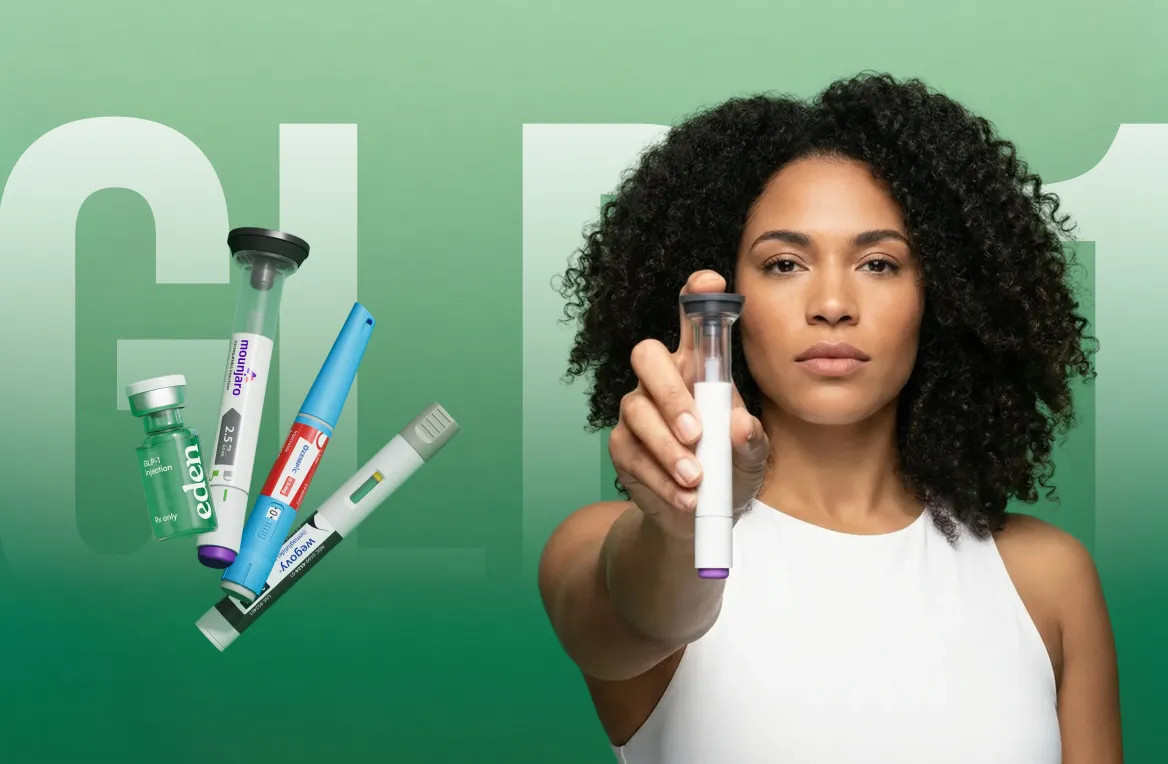
This latest Ozempic® news comes amid growing competition within the FDA-approved GLP-1 medication category, which includes treatments for type 2 diabetes and chronic weight management. Public discussion regarding prescription drug affordability and long-term access continues to shape the evolving marketplace.
While list price reductions may improve affordability for some individuals, access and out-of-pocket costs will continue to depend on insurance coverage, eligibility for savings programs, and clinical appropriateness determined by a healthcare provider.
Ozempic®, Wegovy®, and Rybelsus® are registered trademarks of Novo Nordisk A/S. This article is for informational purposes only and does not constitute medical advice. Patients should consult a licensed healthcare provider regarding diagnosis and treatment decisions.
Novo Nordisk® Tries to Re-define Ozempic® With New Ad Campaign (Updated 1/22/26)
Novo Nordisk® is launching a new ad campaign for Ozempic®. The goal is to set the brand apart from the many other GLP-1 drugs and to address how the term “Ozempic®” is often used as a catch-all term for the whole drug category.
The campaign, called “There’s Only One Ozempic®,” uses a style similar to Apple’s well-known “Get a Mac” ads from the late 2000s. It brings back actors Justin Long and John Hodgman. In these ads, Long represents Ozempic®, while Hodgman plays a character for “other GLP-1s.” This highlights Novo’s point that not all drugs in this group have the same FDA-approved uses.
A core theme of the ads is differentiation by indication. The creative repeatedly points viewers back to Ozempic’s FDA-approved labeling for adults with type 2 diabetes, including language on blood sugar control and risk reduction claims. In at least one of the new videos, which portray a game show, the “single question” centers on which GLP-1 has an FDA-cleared indication for reducing the risk of worsening chronic kidney disease, framing Ozempic® as the standout.
The ads have a lighter tone than most traditional pharma commercials, but Novo remains mindful of regulatory requirements. Reports say that some versions show risk and indication information on a plain background, while Long reads the “major statement” information. This approach may help avoid the distractions that regulators often mention in TV drug ads.
This campaign comes at a time when competition and pressure on the brand are increasing. With more GLP-1 products coming to market and compounded semaglutide versions (which are not FDA-approved) still available, Novo wants to remind both consumers and doctors that Ozempic® is a specific, branded prescription drug with clear FDA-approved uses, not just a generic term for the whole category.
Canada’s about to allow “generic semaglutide.” The U.S.? Not so fast. (Updated 1/6/2026)
If you’ve seen headlines saying Canada is “starting to make generic semaglutide next week,” here’s the more accurate version: as of January 4, 2026, Canada’s key patent protections around semaglutide (the active ingredient in Ozempic®) expire, which means that other companies can legally move forward with generic semaglutide plans.
But that doesn’t mean that Canadians can walk into a pharmacy next week and buy it.
Health Canada still has to approve each generic product, and that takes time. As of December 29, Health Canada had nine submissions on file seeking approval to make semaglutide, and one expert told The Canadian Press that approvals are unlikely until late spring or early summer. Health Canada also cited a 180-day “target timeline” for scientific review of generic submissions.
If/when generics arrive, prices could drop significantly. Using typical Canadian generic pricing models, one expert suggested costs could come in as low as ~35% of brand pricing, especially if multiple competitors launch.
Now the big question: Will the U.S. follow?
In the U.S., the FDA’s ‘Orange Book’ (basically the government’s master list of approved drugs and the patents tied to them) shows Ozempic® is still protected for a while, stretching into the early 2030s. What does this mean? A true FDA-approved generic usually can’t launch until those protections run out, unless a legal challenge clears the way sooner.
Could Americans still feel some ripple effects? Maybe, but most likely through policy and pricing pressure. The FDA has approved Florida’s Section 804 drug importation program to import some lower-cost drugs from Canada, but bringing in a brand-new Canadian generic semaglutide would likely be slow and complicated.
So yes, Canada’s door is opening. The U.S. is still a few doors down the hallway.
Ozempic® Shortages Expose Global Supply Strain as Demand Surges 300% (Updated 12/2025)
The numbers behind Ozempic® tell an amazing story. Prescriptions for GLP-1 medications like Ozempic®, Wegovy®, and similar drugs have risen more than 300% in just a few years, rather than literally doubling every single year. About 6% of Americans use them now. People’s overwhelming response to these weight-loss and diabetes treatments has created significant supply pressures worldwide, even as some countries (including the U.S.) now report that national stock has stabilized.
The global GLP-1 market sits at about $44 billion in 2023, and experts predict it will reach nearly $200 billion by 2032. The FDA’s 2021 approval of semaglutide for chronic weight management in adults with obesity under the brand Wegovy® dramatically expanded use beyond diabetes into obesity care.
These medications have proven their worth – patients taking high-dose oral semaglutide 25 mg (a Wegovy® equivalent dose in pill form) have lost around 16.6% of their body weight over 64 weeks in some trials, while placebo groups lost only a few percent. This soaring success has contributed to semaglutide supply constraints in many markets, even though U.S. regulators now say the official semaglutide injection shortage has been resolved.
Medical experts point out that these “nutrient-stimulated, hormone-based” GLP-1 medications work on the brain and gut hormones to help regulate appetite, blood sugar, and feelings of fullness. At the same time, they can cause side effects such as nausea, vomiting, diarrhea, and potential gallbladder issues, so they are not appropriate for everyone and must be prescribed and monitored by licensed clinicians.
The treatments remain popular despite their cost, and federal negotiators have only recently begun to push list prices down for Medicare—toward roughly a few hundred dollars per month in the coming years—while many patients without strong insurance still face list prices close to $900–$1,300 per month.
In U.S. claims data, roughly 25% of prescriptions for GLP-1 drugs like Ozempic®, Mounjaro®, Rybelsus®, and Wegovy® were written for patients without diabetes, suggesting substantial off-label use for weight management.
{{primary-cta}}
Manufacturers Struggle to Meet Soaring Demand
Novo Nordisk® faces immense pressure as semaglutide shortage news has dominated headlines. The company has committed multiple multi-billion-dollar projects, including about USD 2.3 billion to expand chronic-disease and GLP-1 manufacturing capacity in Europe, on top of earlier investments in Denmark and France.
The company made a strategic move by acquiring three manufacturing sites from Catalent for USD 11.0 billion to boost production capabilities. These facilities in Indiana, Brussels, and Italy specialize in “fill-finish” operations—the final stage of drug manufacturing—and are expected to expand GLP-1 capacity over the next several years. Company and government statements suggest that added fill-finish capacity will ramp up gradually through the second half of the decade rather than fixing supply overnight.
Eli Lilly has likewise announced several large U.S. manufacturing expansions, including roughly $6.5–9 billion in new facilities in Indiana and other states to increase production of GLP-1 medicines like Mounjaro® and Zepbound®.
Novo Nordisk’s production facilities now run close to 24/7 to meet demand, and the company also plans to invest about USD 1.09 billion in Brazil to boost production capacity at its Montes Claros facility in Minas Gerais for Ozempic®, Wegovy®, and related GLP-1 drugs.
These extensive investments still fall short of projected need. Independent analyses suggest manufacturers may be able to supply roughly 100 million patients by 2030—less than 10% of those who could qualify for treatment. This manufacturing shortfall has helped fuel a growing trade in counterfeit and black-market GLP-1 products, prompting safety alerts from major health authorities and national regulators across multiple regions.
{{primary-cta}}
Governments and Pharmacies Respond to Crisis
Regulatory authorities worldwide have taken various steps to address the Ozempic® and semaglutide supply crisis.
In the United States, the FDA issued a formal declaratory order in 2025 stating that the semaglutide injection shortage (Ozempic® and Wegovy®) was resolved and removed the drugs from its official shortage list. A U.S. federal judge later upheld the FDA’s decision against a challenge from compounding pharmacies, effectively requiring most compounders to stop making copycat semaglutide products once approved supply was deemed adequate.
European regulatory networks have monitored supply issues through specialized working groups. France, Austria, Germany, and other countries have considered or implemented temporary export restrictions and prescribing guidance designed to protect domestic supplies and prioritize patients with diabetes.
The semaglutide shortage and rapid demand growth have also reshaped insurance coverage. Only 13 U.S. state Medicaid programs currently cover GLP-1s specifically for obesity treatment, and coverage rules vary widely. North Carolina has moved to end Medicaid coverage of GLP-1 drugs for obesity, and California, New Hampshire, and South Carolina have announced plans to halt or sharply limit such coverage by early 2026.
Mississippi still offers coverage, but public reporting suggests that access remains limited relative to the state’s very high obesity rates, and only a small fraction of eligible patients receive GLP-1 prescriptions through Medicaid.
CVS Caremark and other pharmacy benefit managers have tightened their utilization rules. Patients without diabetes often need prior authorization for GLP-1s, and analyses suggest that more than half of requests for obesity treatment are denied across many health plans, contributing to perceptions of “obesity discrimination” among some clinicians.
The monthly cost per patient runs around $900–$1,300 at list price before insurance for many GLP-1 drugs, though negotiated prices and discounts can bring net costs down substantially for some payers. The federal government has begun negotiating lower prices for Ozempic® and other high-cost drugs in Medicare, and lawmakers continue to debate pilot programs that could allow broader Medicare and Medicaid coverage of anti-obesity medications.
Conclusion
A perfect storm of unprecedented demand, complex manufacturing, and uneven insurance coverage has created an Ozempic® and semaglutide access crunch unlike anything we’ve seen in recent pharmaceutical history. Weight-loss and diabetes medications built on semaglutide and related GLP-1 drugs have reshaped treatment options for millions of patients—but they’ve also exposed deep inequities in who can actually obtain and afford them.
Even as U.S. regulators declare the official semaglutide shortage “over,” countries such as Australia still expect constrained Ozempic® supply into at least the end of 2025. Novo Nordisk® and Eli Lilly are investing tens of billions of dollars to expand their production capabilities—from European fill-finish plants to massive new GLP-1 campuses in the U.S. and Brazil—but global capacity is still expected to cover only a fraction of potential need by 2030.
Different countries have responded in very different ways—from export restrictions and prescribing controls to expanded obesity coverage in some systems and cutbacks in others. These choices raise difficult questions about healthcare priorities, equity, and how to balance innovation with sustainable access.
For patients, the bottom line is that GLP-1 medications such as Ozempic® can be powerful tools—but they also come with side effects, long-term unknowns, and real access barriers. Decisions about starting, switching, or staying on these drugs should always be made in partnership with a licensed clinician who can weigh individual risks, benefits, and alternatives.










The FDA does not approve compounded medications for safety, quality, or manufacturing. Prescriptions and a medical evaluation are required for certain products. The information provided on this blog is for general informational purposes only. It is not intended as a substitute for professional advice from a qualified healthcare professional and should not be relied upon as personal health advice. The information contained in this blog is not meant to diagnose, treat, cure, or prevent any disease. Readers are advised to consult with a qualified healthcare professional for any medical concerns, including side effects. Use of this blog's information is at your own risk. The blog owner is not responsible for any adverse effects or consequences resulting from the use of any suggestions or information provided in this blog.
Eden is not a medical provider. Eden connects individuals with independent licensed healthcare providers who independently evaluate each patient to determine whether a prescription treatment program is appropriate. All prescriptions are written at the sole discretion of the licensed provider. Medications are filled by state-licensed pharmacies. Please consult a licensed healthcare provider before making any medical decisions.
Related articles










Applied Clinical Trials Online. (2025, November 6). Novo Nordisk’s Phase III OASIS 4 Analyses Highlight Cardiometabolic Benefits of Oral Semaglutide 25 mg. Applied Clinical Trials Online. https://www.appliedclinicaltrialsonline.com/view/novo-nordisk-oasis-analyses-highlight-cardiometabolic-benefits-oral-semaglutide
Bozick, R., Donofry, S. D., & Rancaño, K. M. (2025, August 6). New weight loss drugs: GLP-1 agonist use and side effects in the United States. RAND. https://www.rand.org/pubs/research_reports/RRA4153-1.html
Clinical Advisor. (2025, May 5). Oral Semaglutide 25 mg Under Review for Chronic Weight Management. https://www.clinicaladvisor.com/news/oral-semaglutide-25mg-under-review-for-chronic-weight-management/
Darley, J. (2025b, December 3). WHO: The crisis Risk of global shortages of Ozempic & Wegovy. Healthcare Digital. https://healthcare-digital.com/news/global-shortages-of-ozempic-wegovy-risks-crisis-who-warns
Dennis Thompson. (2024, November 5). Medicaid covers GLP-1 meds for obesity in just 13 states. Healthday-en. https://www.healthday.com/health-news/weight-loss/medicaid-covers-glp-1-meds-for-obesity-in-just-13-states
Description: Appendix 6c: Abbreviated New Drug Submission (ANDS) or Supplement to an Abbreviated New Drug Submission (SANDS) Review Referencing a Canadian Reference Product with Notice of Compliance with Conditions Status. (2016, September 8). https://www.hc-sc.gc.ca/dhp-mps/prodpharma/applic-demande/guide-ld/compli-conform/noccg_accd-longdesc3-eng.php
GLP-1 Receptor Agonist market Size, share | Growth [2032]. (n.d.). https://www.fortunebusinessinsights.com/glp-1-receptor-agonist-market-112827
Harris, E. (2024). Poll: Roughly 12% of US adults have used a GLP-1 drug, even if unaffordable. JAMA, 332(1), 8. https://doi.org/10.1001/jama.2024.10333
Health Canada. (2025, October 1). Guidance on management of drug submissions and applications: Performance standards. Canada.ca. https://www.canada.ca/en/health-canada/services/drugs-health-products/drug-products/applications-submissions/guidance-documents/management-drug-submissions-applications/performance-standards.html
Joszt, L., MA. (2025, December 23). FDA approves oral semaglutide as first GLP-1 pill for weight loss. AJMC - Managed Care News, Research, and Expert Insights. https://www.ajmc.com/view/fda-approves-oral-semaglutide-as-first-glp-1-pill-for-weight-loss
Kfftiffanyf. (2025, August 9). Poll: 1 in 8 Adults Say They’ve Taken a GLP-1 Drug, Including 4 in 10 of Those with Diabetes and 1 in 4 of Those with Heart Disease. KFF. https://www.kff.org/health-costs/poll-1-in-8-adults-say-theyve-taken-a-glp-1-drug-including-4-in-10-of-those-with-diabetes-and-1-in-4-of-those-with-heart-disease/
Novo Nordisk Inc. (2017). Highlights of prescribing information. https://www.accessdata.fda.gov/drugsatfda_docs/label/2025/218316Orig1s000lbl.pdf
Office of the Commissioner. (2024, January 5). FDA authorizes Florida’s drug importation program. U.S. Food And Drug Administration. https://www.fda.gov/news-events/press-announcements/fda-authorizes-floridas-drug-importation-program
Research, C. F. D. E. A. (2025, February 14). Orange Book Data Files. U.S. Food And Drug Administration. https://www.fda.gov/drugs/drug-approvals-and-databases/orange-book-data-files
The Canadian Press. (2026, January 2). Generic Ozempic can be made in Canada as of next week. Will it be cheaper? Global News. https://globalnews.ca/news/11597304/generic-ozempic-canada/
Young, S. (2023, June 2). Millions of US adults were prescribed Ozempic for weight loss in 2022. Healthcare Brew. https://www.healthcare-brew.com/stories/2023/06/02/skyrocketing-ozempic-prescriptions-for-weight-management
Thank you!
We'll be in touch.
Thank you!