Semaglutide Diet Plan PDF: What to Eat on Semaglutide


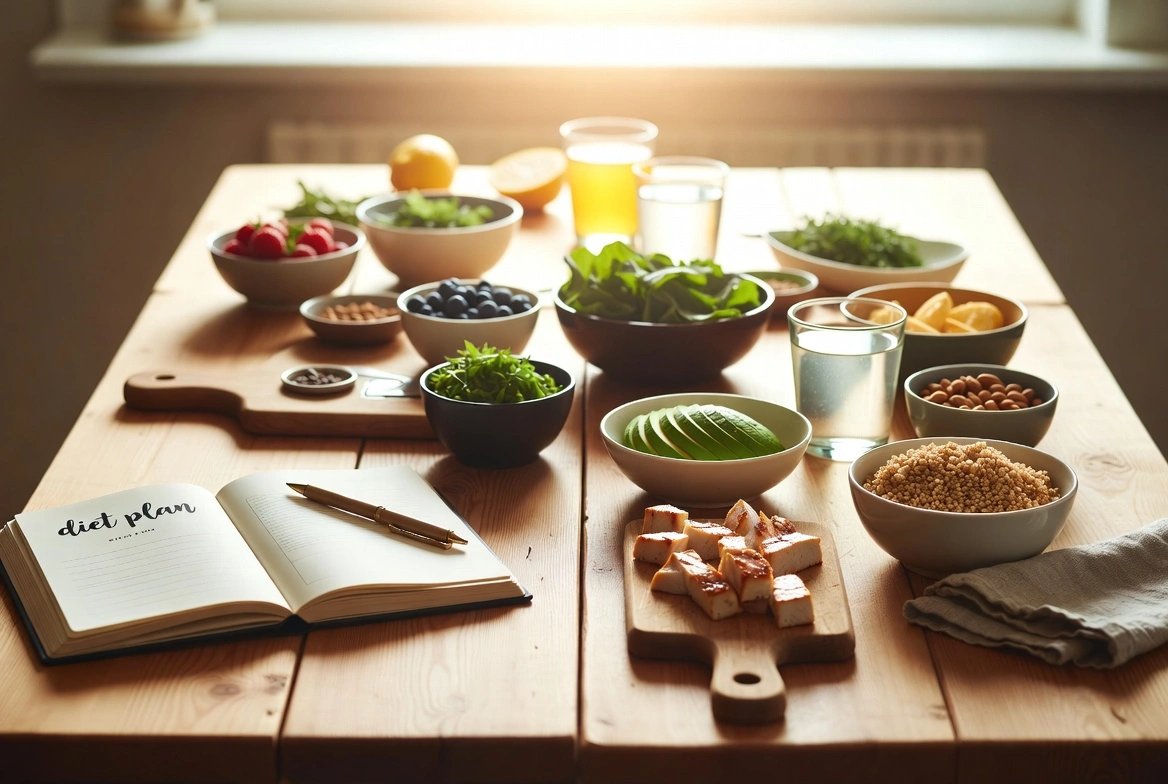

Get a semaglutide diet plan PDF with guidance on what to eat on semaglutide, food lists, and tips for semaglutide meal planning.
- Download your semaglutide diet plan PDF for guidance on what to eat on semaglutide. For more individual advice, talk with a licensed healthcare provider.
- Prioritize lean protein, fiber-rich foods, healthy fats, and adequate hydration to support overall nutrition and health.
- Research shows that protein can increase satiety and help preserve muscle mass, while fiber supports digestion and can help you feel fuller longer.
- Limiting processed foods and alcohol can support general health—studies link ultra-processed diets to higher calorie intake and weight gain.
- Staying hydrated is especially important on semaglutide; it supports digestion and overall health, and may reduce nausea for some people.
- The best eating plan is one you can sustain. If you’re unsure what this entails, working with a licensed healthcare provider can help ensure you have a diet plan tailored to your unique needs.
This article is for educational purposes only and is not intended as medical advice. Always consult a licensed healthcare provider before starting any new medication, treatment, or diet plan. Individual results may vary.
Semaglutide Meal Plan: What Should You Eat?
Semaglutide does not replace the need for a balanced and healthy diet. But what you eat still matters. In fact, certain eating patterns may help support comfort and overall well-being while taking GLP-1 medications.
Yet, semaglutide often changes how your body responds to food. Meals that felt fine before might suddenly feel too heavy. Rich or greasy foods may not sit well. And with a smaller appetite, every bite counts more from a nutritional standpoint.
{{primary-cta}}
What to Eat on Semaglutide
Focusing on nutrient-dense foods may support overall well-being while your body adjusts to treatment. Here’s what you may want to prioritize.
Fiber-Rich Foods
Research indicates that certain types of dietary fiber—particularly soluble fibers—can reduce appetite and short-term energy intake. Fiber also supports gut health by feeding beneficial bacteria, and it slows digestion—which can help stabilize blood sugar and keep you feeling satisfied longer.
Excellent options include:
- Leafy greens
- Broccoli
- Berries
- Beans
- Lentils
- Oats
If gastrointestinal side effects are a concern (as they often are with semaglutide), increase fiber gradually to give your system time to adjust. If you have any questions or concerns about your specific situation, make sure to discuss them with a licensed healthcare provider.
Lean Protein
Protein is your ally during weight loss. Research shows that higher-protein diets can help preserve lean muscle mass and can increase satiety compared to lower-protein approaches. Protein also has a higher thermic effect than carbs or fat, meaning your body burns more calories digesting it.
Some great options may include:
- Chicken
- Turkey
- Fish
- Eggs
- Greek yogurt
- Cottage cheese
- Tofu
- Legumes
Additionally, spreading protein across meals—rather than loading it all at dinner—can help maintain steady energy and fullness throughout your day.
Healthy Fats
Fat doesn’t need to be feared, but quality does matter. Unsaturated fats, such as those found in avocados, olive oil, nuts, seeds, and fatty fish, support nutrient absorption (including fat-soluble vitamins A, D, E, and K) and promote satiety. They’re also associated with better cardiovascular health when they replace saturated and trans fats.
Hydration
Staying hydrated supports digestion, supports your body’s normal metabolic processes, and can reduce the likelihood of mistaking thirst for hunger.
On top of this, some people may experience nausea, diarrhea, or vomiting, which can make hydration especially important. Aim for consistent water intake throughout the day, which for many adults may be two to three liters per day (or 68 to 101 ounces).
What to Limit: Processed Foods
Research shows that people who ate ultra-processed foods consumed about 500 more calories per day and gained weight, even when those foods were matched for macronutrients with minimally processed options. Ultimately, processed foods tend to be calorie-dense, nutrient-poor, and easier to overeat.
While striving for perfection is never recommended, leaning toward whole foods whenever possible supports both weight loss and overall health.
What to Limit: Alcohol
At the end of the day, alcohol adds calories without nutrition. And research suggests heavy drinking is more consistently linked to weight gain than light or moderate intake.
Beyond calories, alcohol can also lower inhibitions around food choices, disrupt sleep, and interact with how your body processes fat. Thus, it’s essential to be mindful of your alcohol consumption.
{{primary-cta}}
Creating Your Semaglutide Diet Plan
You don’t need to overhaul everything at once. Start with a few foundational habits, then adjust based on your body's response.
The best diet plan is one you can actually stick with. This means building meals around foods you enjoy, staying flexible when things don’t go perfectly, and paying attention to how different choices make you feel.
Here are a few practical tips to get started:
- Plan meals around protein first: This macronutrient helps you stay full and supports muscle mass during weight loss. Add vegetables and a small portion of healthy fat to round out each dish.
- Prep simple options in advance: When your appetite is unpredictable, having ready-to-eat, healthy foods on hand (such as hard-boiled eggs or cut vegetables) makes it easier to eat well with minimal effort.
- Eat slowly and stop when you’re satisfied: Give your body time to register what you’ve eaten. Aim to chew each bite at least 15-20 times.
- Stay consistent with your hydration: Keep water accessible throughout the day—not just at meals. If plain water feels boring, try adding lemon, cucumber, or a splash of flavor.
- Track how certain foods make you feel: Some people find certain textures or ingredients harder to tolerate. A quick note in your phone after meals can help you identify patterns.
- Don’t aim for perfection: One less-than-ideal meal doesn’t undo your progress. What matters is your overall patterns over weeks and months.
If you’re unsure where to start, working with a registered dietitian or your prescribing provider can help you build a plan tailored to your needs and health goals.
Final Thoughts
Semaglutide can change how you experience hunger, but what you eat still shapes your results. Prioritizing whole foods, staying hydrated, and building sustainable habits will help you get the most out of your treatment—and feel good along the way.
If you’re ever unsure about anything or have questions about changing your individual diet, talk with a licensed healthcare provider. They can determine the best path forward according to your specific situation and health history.









The FDA does not approve compounded medications for safety, quality, or manufacturing. Prescriptions and a medical evaluation are required for certain products. The information provided on this blog is for general informational purposes only. It is not intended as a substitute for professional advice from a qualified healthcare professional and should not be relied upon as personal health advice. The information contained in this blog is not meant to diagnose, treat, cure, or prevent any disease. Readers are advised to consult with a qualified healthcare professional for any medical concerns, including side effects. Use of this blog's information is at your own risk. The blog owner is not responsible for any adverse effects or consequences resulting from the use of any suggestions or information provided in this blog.
Eden is not a medical provider. Eden connects individuals with independent licensed healthcare providers who independently evaluate each patient to determine whether a prescription treatment program is appropriate. All prescriptions are written at the sole discretion of the licensed provider. Medications are filled by state-licensed pharmacies. Please consult a licensed healthcare provider before making any medical decisions.
Frequently asked questions
What foods should I avoid while taking semaglutide?

Some people find that greasy, fried, or overly rich foods cause nausea or discomfort. Highly processed foods and sugary drinks are also worth limiting, as they add calories with little nutritional value.
Do I need to count calories on semaglutide?
Not necessarily. Because GLP-1 medications can reduce appetite for some people, they may find that they eat less without tracking. But paying attention to food quality and portion sizes may still matter for results.
What does a good semaglutide diet look like?
A solid semaglutide diet focuses on lean protein, fiber-rich vegetables, whole grains, and healthy fats. The goal is nutrient density—getting the most benefit from smaller portions.
Can I drink coffee on semaglutide?
Yes, coffee is generally okay to consume. Just watch for added sugars or heavy creamers, and be mindful if caffeine on an empty stomach worsens nausea.
How much protein should I eat on semaglutide?
Include a protein source at each meal to help preserve muscle mass during weight loss. A general target is around 25-30 grams per meal, though individual needs vary.
Related articles











Akhlaghi M. (2024). The role of dietary fibers in regulating appetite, an overview of mechanisms and weight consequences. Critical reviews in food science and nutrition, 64(10), 3139–3150. https://doi.org/10.1080/10408398.2022.2130160
Guan, Z. W., Yu, E. Z., & Feng, Q. (2021). Soluble Dietary Fiber, One of the Most Important Nutrients for the Gut Microbiota. Molecules (Basel, Switzerland), 26(22), 6802. https://doi.org/10.3390/molecules26226802
Hall, K. D., Ayuketah, A., Brychta, R., Cai, H., Cassimatis, T., Chen, K. Y., Chung, S. T., Costa, E., Courville, A., Darcey, V., Fletcher, L. A., Forde, C. G., Gharib, A. M., Guo, J., Howard, R., Joseph, P. V., McGehee, S., Ouwerkerk, R., Raisinger, K., Rozga, I., … Zhou, M. (2019). Ultra-Processed Diets Cause Excess Calorie Intake and Weight Gain: An Inpatient Randomized Controlled Trial of Ad Libitum Food Intake. Cell metabolism, 30(1), 67–77.e3. https://doi.org/10.1016/j.cmet.2019.05.008
Halton, T. L., & Hu, F. B. (2004). The effects of high protein diets on thermogenesis, satiety and weight loss: a critical review. Journal of the American College of Nutrition, 23(5), 373–385. https://doi.org/10.1080/07315724.2004.10719381
Moon, J., & Koh, G. (2020). Clinical Evidence and Mechanisms of High-Protein Diet-Induced Weight Loss. Journal of obesity & metabolic syndrome, 29(3), 166–173. https://doi.org/10.7570/jomes20028
Reddy, P., & Jialal, I. (2022, September 19). Biochemistry, fat soluble vitamins. StatPearls - NCBI Bookshelf. https://www.ncbi.nlm.nih.gov/books/NBK534869
Traversy, G., & Chaput, J. P. (2015). Alcohol Consumption and Obesity: An Update. Current obesity reports, 4(1), 122–130. https://doi.org/10.1007/s13679-014-0129-4
Thank you!
We'll be in touch.
Thank you!