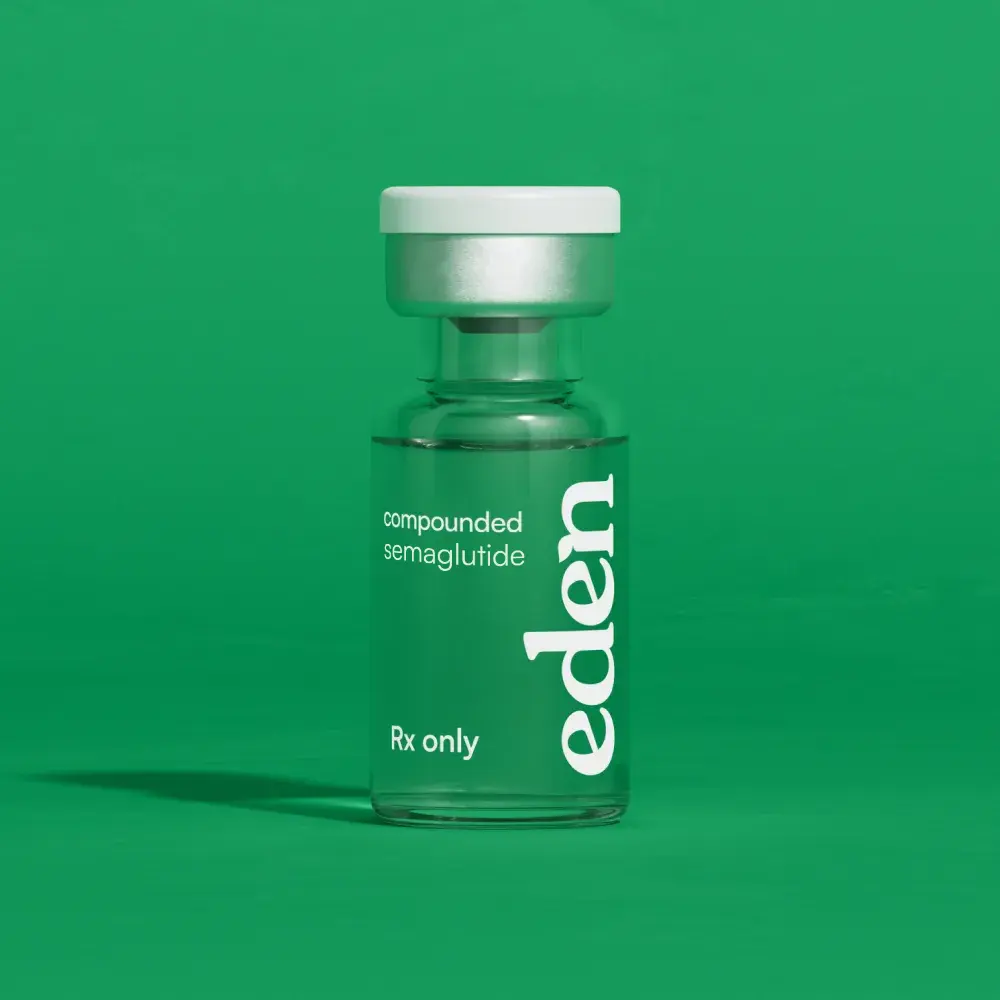
Compounded Semaglutide Reviews: Safety, Quality & Red Flags




Explore compounded semaglutide reviews with a focus on safety, pharmacy quality, pricing differences, and common red flags to know before starting treatment.
- Compounded semaglutide reviews often mention experiences such as changes in appetite or eating patterns reported by some individuals. Yet, individual results vary, and compounded medications are not FDA-approved.
- Compounded semaglutide may cost less out of pocket for some people, but pricing varies by pharmacy, dose, and what’s included in care.
- Risks of compounded semaglutide potentially include inconsistent dosing, gastrointestinal side effects, injection site reactions, and variability in potency or purity.
- Red flags to watch for include no prescription required, unusually low prices, and a provider who doesn’t ask about your health history or plan for follow-up care.
Compounded GLP-1 therapies are prepared only when a licensed prescriber determines a clinically significant difference for an identified patient. Compounded drugs are not FDA-approved and do not undergo FDA review for safety, effectiveness, or manufacturing quality. A prescription is required. This page is for educational purposes only and is not medical advice.
What is Compounding Semaglutide?
Whether you’ve been searching for the cheapest compounded semaglutide or a “semaglutide compounding pharmacy near me,” you’ve likely encountered a pile of information. And it can be confusing.
Compounded semaglutide is a preparation made by specialized pharmacies known as compounding pharmacies. These pharmacies prepare medications according to individualized prescriptions when a licensed provider determines it’s clinically appropriate for a specific patient.
However, compounded semaglutide is not FDA-approved. This means it’s not reviewed by the FDA for safety, effectiveness, or manufacturing quality, and the medication may vary in its formulation. This is why it’s essential to understand the potential risks and consult a licensed healthcare provider regarding your specific health situation.
Why is Compounded Semaglutide Cheaper?
FDA-approved semaglutide medications may cost over $1,000 per month without insurance. But compounded semaglutide may cost less out of pocket in some cases, especially when insurance doesn’t cover FDA-approved options. When it comes down to it, pricing often reflects the pharmacy, the dose, and what’s included in the program or service.
{{primary-cta}}
Compounded Semaglutide Before and After
Results vary from person to person. And it’s important to remember that compounded semaglutide is not FDA-approved—so clinical trial data from brand-name medications doesn’t directly apply here.
With that said, many people share their experiences online. Online “before and after” posts are anecdotal and aren’t clinical evidence or typical results.
Some users report experiencing:
- Changes in appetite and cravings
- Altered eating patterns
- Weight changes
But it’s worth noting this depends on other factors, too. Most often, these medications are prescribed alongside lifestyle changes, such as a healthy diet, regular exercise, stress-reducing exercises, and more. A licensed healthcare provider can determine what’s best for your specific situation.
Compounded Semaglutide Risks and Red Flags
Some potential risks associated with compounded semaglutide include:
- Gastrointestinal side effects (such as nausea, vomiting, diarrhea, or constipation)
- Injection site reactions (such as redness, swelling, or irritation)
- Inconsistent dosing due to variability in compounding pharmacy practices
- Unknown purity or potency, depending on the source
- Potential for contamination (if the pharmacy doesn’t follow strict sterile procedures)
At the same time, not all providers or pharmacies operate with the same standards, and some warning signs should give you pause.
Common red flags to watch for include:
- Pharmacies that don’t require a prescription from a licensed healthcare provider.
- Prices that seem unusually low without a clear explanation.
- No clear information about where or how the medication is prepared.
- Providers who don’t ask about your medical history before prescribing.
- A lack of follow-up care or monitoring after you start treatment.
If something feels off, trust your instinct. A reputable and licensed healthcare provider will answer your questions and address any concerns you may have.
{{primary-cta}}
What to Keep in Mind When Choosing a Compounding Pharmacy or Provider
Selecting a compounding pharmacy or provider is about finding a source you can trust. Here are a few things to keep in mind.
Check for Proper Licensing and Accreditation
Compounding pharmacies in the U.S. should be licensed in the state where they operate. Some pharmacies also pursue voluntary accreditation through organizations, such as the Pharmacy Compounding Accreditation Board (PCAB), which sets quality and safety standards in addition to state licensing requirements.
Trustworthy pharmacies will also be able to provide clear information about the sources of their raw materials and whether they conduct third-party testing for potency and purity.
Compounded Medication Should Always Be Prescribed by a Licensed Healthcare Provider
A licensed healthcare provider should take the time to understand your health history, current medications, and goals. They will schedule follow-up appointments, monitor your progress, and adjust your treatment plan as needed.
If a provider rushes through your consultation, avoids answering your questions directly, or pressures you into making quick decisions, you may want to explore other options. Your health deserves careful attention, and a quality provider will treat it that way.
Consider the Full Picture of Support Offered
Some providers and pharmacies offer additional resources, such as guidance on lifestyle changes, access to clinical support staff, or educational materials. While these extras aren’t required, they can make a difference in your overall experience and outcomes.
Final Thoughts
When it comes to compounded semaglutide, it’s essential to do your homework and ask questions about where the medication is sourced, how it’s prepared, and what kind of support you’ll have throughout treatment. A trustworthy provider will be transparent and involved in your care from the start.
It’s also worth keeping in mind that what works for one person won’t work for everyone. If you’re considering compounded semaglutide, make sure to discuss your options with a licensed healthcare provider you trust; they can determine if this is the right path for you and your specific situation.












The FDA does not approve compounded medications for safety, quality, or manufacturing. Prescriptions and a medical evaluation are required for certain products. The information provided on this blog is for general informational purposes only. It is not intended as a substitute for professional advice from a qualified healthcare professional and should not be relied upon as personal health advice. The information contained in this blog is not meant to diagnose, treat, cure, or prevent any disease. Readers are advised to consult with a qualified healthcare professional for any medical concerns, including side effects. Use of this blog's information is at your own risk. The blog owner is not responsible for any adverse effects or consequences resulting from the use of any suggestions or information provided in this blog.
Eden is not a medical provider. Eden connects individuals with independent licensed healthcare providers who independently evaluate each patient to determine whether a prescription treatment program is appropriate. All prescriptions are written at the sole discretion of the licensed provider. Medications are filled by state-licensed pharmacies. Please consult a licensed healthcare provider before making any medical decisions.
Frequently asked questions
Is compounded semaglutide as effective?

Compounded semaglutide is not FDA-approved. This means its effectiveness has not been established through FDA-reviewed clinical studies, and individual responses may vary.
Should you take compounded semaglutide with B12?
A healthcare provider who knows your individual situation can determine whether adding B12 is appropriate for your situation.
Related articles












Achc. (2025, October 16). PCAB Accreditation for Compounding Pharmacies | ACHC. ACHC.ORG | National Accrediting Organization. https://achc.org/pcab-compounding-pharmacy/
Research, C. F. D. E. A. (2025, September 25). FDA’s Concerns with Unapproved GLP-1 Drugs Used for Weight Loss. U.S. Food And Drug Administration. https://www.fda.gov/drugs/postmarket-drug-safety-information-patients-and-providers/fdas-concerns-unapproved-glp-1-drugs-used-weight-loss
Thank you!
We'll be in touch.
Thank you!