Weight Loss Medication in 2026: GLP-1s, Pills, and Which Option Fits Best



Compare GLP-1 injections and weight loss pills side by side. See which prescription weight loss medication fits your profile and how to get started today.
- BMI thresholds for prescription weight loss medication are typically ≥30, or ≥27 with at least one weight-related condition, such as type 2 diabetes or hypertension.
- GLP-1 receptor agonist injections (semaglutide and tirzepatide) currently lead in clinical efficacy, showing average body weight loss of roughly 15-21% in clinical trials of FDA-approved products; individual results, however, may vary.
- Oral options, both FDA-approved combinations and provider-directed oral medication programs, remain valid, evidence-backed paths for many patients.
- The strongest medication isn’t always the right one. Matching treatment to your individual profile, goals, and medical history matters more than chasing peak numbers.
- Lifestyle changes are still important alongside any medication and can complement a medicated approach.
- Most people require long-term treatment to maintain results.
- A licensed provider must review your full health profile before any prescription is deemed appropriate.
Maybe you’ve tried all the diets and exercises, but still feel stuck. It can be disheartening. You’ve done the lifestyle overhaul but aren’t seeing the changes you want. As such, you may be considering medication as an add-on approach.
Weight loss medication is continually evolving, transforming how metabolic and weight-related conditions are treated. In fact, more than 2% of United States adults took a GLP-1 medication for weight loss in 2024, and 32% of adults say they’ve heard “a lot” about these drugs.
While older oral medications are still in use, weekly GLP-1 injections have become household names. On top of this, late 2025 brought the first FDA-approved oral GLP-1 specifically indicated for obesity.
However, more options mean the right choice depends heavily on your individual health profile, goals, and preferences. This article breaks down the major medication categories side by side and helps you understand which option is best for whom. Yet keep in mind that every medication discussed below requires evaluation by a licensed healthcare provider; not every weight loss drug is right for every person.
Who Qualifies for Prescription Weight Loss Medication?
Most prescribers in the United States use two primary BMI thresholds when evaluating eligibility, including:
- BMI ≥ 30 (clinical obesity, no other conditions required)
- BMI ≥ 27 with at least one weight-related comorbidity (including type 2 diabetes, high blood pressure, high cholesterol, or obstructive sleep apnea)
These thresholds apply to most FDA-approved medications and are the same criteria Eden’s licensed providers reference during your intake. If you’re not sure where you fall, Eden’s BMI calculator can be a useful starting point.
A provider will also review your full health history, current medications, past weight-loss attempts, and what you’re hoping to achieve. Ultimately, your provider will determine your eligibility. Some adults just below these thresholds may still be appropriate candidates, depending on metabolic indicators.
A few groups are generally not candidates for these types of medications, including:
- Pregnant or breastfeeding individuals
- Those with certain cardiovascular conditions
- Those with personal or family histories of medullary thyroid carcinoma or MEN2 (specific to GLP-1s)
If you want a more detailed look at this process, our guide on weight loss medication eligibility walks through the assessment step by step.
GLP-1 Receptor Agonist Injections: The Current Clinical Frontrunner
GLP-1 (glucagon-like peptide-1) is a hormone your gut releases naturally after eating. It signals fullness to the brain, slows gastric emptying (the rate at which food leaves your stomach), reduces appetite, and helps regulate blood sugar.
The two primary GLP-1 injection options include semaglutide and tirzepatide.
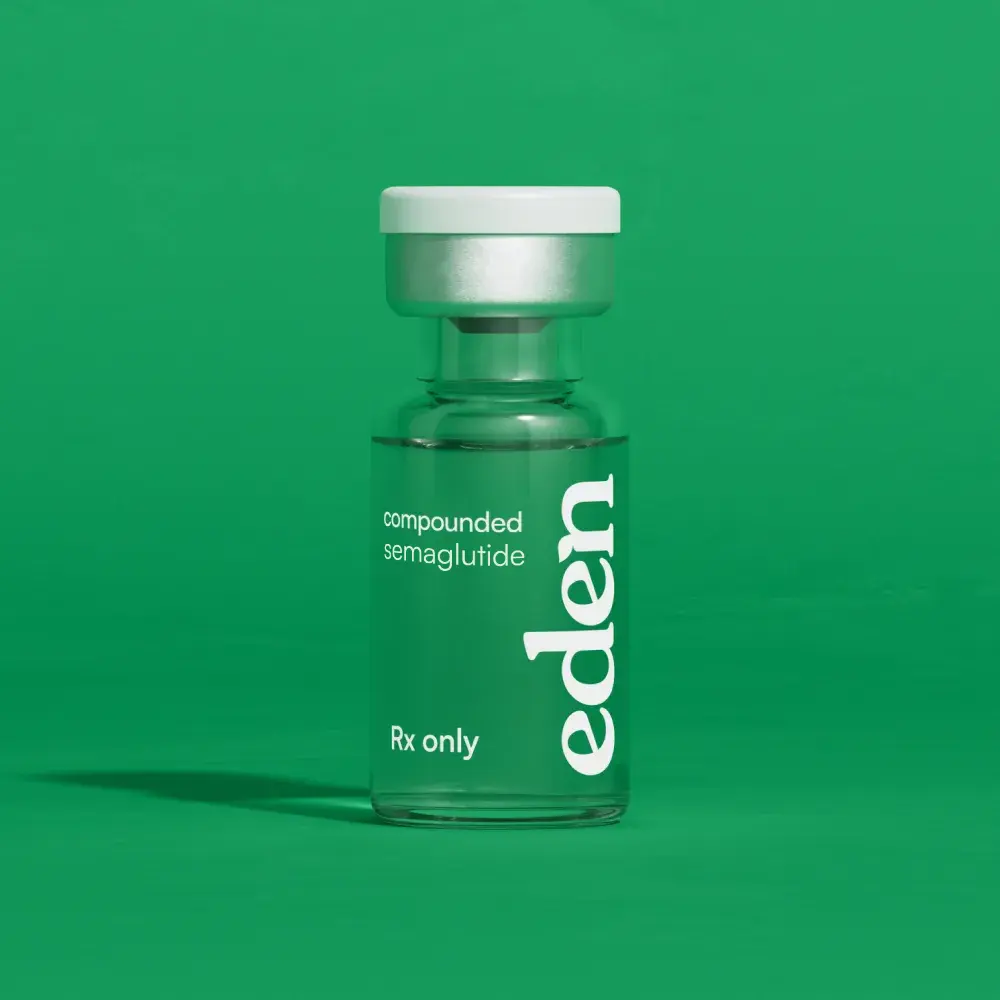
Semaglutide (Wegovy® / compounded semaglutide*)
*Compounded GLP-1 therapies are prepared only when a licensed prescriber determines a clinically significant difference for an identified patient. These medications are not reviewed or approved by the FDA for safety, efficacy, or quality.
Branded semaglutide is FDA-approved for chronic weight management as Wegovy® in adults with a BMI ≥ 30, or ≥ 27 with a weight-related condition. In the STEP 1 trial, participants on semaglutide lost an average of about 15% of their body weight over 68 weeks, compared to roughly 2.4% on placebo.
As a weekly subcutaneous injection, the dose is typically titrated upward gradually over 16 to 20 weeks, allowing time for the body to adjust.
The most common side effects are gastrointestinal, such as nausea, vomiting, diarrhea, and constipation. These tend to be most noticeable during dose escalation and are often temporary. For more detailed information, learn more about how GLP-1 medications work and how to manage their side effects.
Semaglutide is also marketed as Ozempic® (approved at lower doses for type 2 diabetes and does not reach the same maximum dose as Wegovy®) and Rybelsus® (an oral pill approved for diabetes, not for obesity).
Compounded semaglutide is a separate category. It’s not FDA-approved and may be prescribed only when a licensed provider determines a clinically significant difference for an individual patient or during medication shortage periods. Compounded medications may vary in formulation and carry additional risks.
May be best for: Adults with significant weight to lose (20+ pounds), those whose lifestyle efforts haven’t produced enough results on their own, people managing or at risk for type 2 diabetes, and those comfortable with weekly self-injection.
Tirzepatide (Zepbound® / compounded tirzepatide)
FDA-approved for obesity as Zepbound® in 2023 (and as Mounjaro® for type 2 diabetes), Tirzepatide acts on both GLP-1 and GIP (glucose-dependent insulinotropic polypeptide) receptors.
Studies report that this dual mechanism is associated with substantial weight loss in clinical trials of FDA-approved products. In the SURMOUNT-1 trial, participants on the highest dose of tirzepatide (15 mg) lost an average of about 20.9% of their body weight over 72 weeks.
Tirzepatide is also a once-weekly injection, with a similar dose titration schedule and a side effect profile as other GLP-1 medications.
May be best for: Adults pursuing maximum weight loss outcomes, those who haven’t responded adequately to semaglutide, and individuals with insulin resistance or prediabetes alongside obesity.
Eden’s GLP-1 Weight Loss Treatment program supports both semaglutide and tirzepatide options. It’s fully online, and after a brief online intake, Eden connects you with a licensed provider who will determine what’s best for you. Branded medications such as Wegovy®, Ozempic®, Zepbound®, or Mounjaro® may also be prescribed when clinically appropriate.
Oral GLP-1 Medication: The Newest Option for Injection-Averse Patients
In late 2025, the FDA approved an oral semaglutide formulation specifically indicated for obesity (the Wegovy® pill). This fills a significant gap for individuals who may have avoided these medications due to a fear or inability to self-inject.
However, the pill form has lower bioavailability than the injectable, which is why it comes with very specific administration instructions. It’s advised to take it on an empty stomach with a small amount of water, at least 30 minutes before eating, drinking, or taking other oral medications.
Long-term outcome data and studies on the oral obesity-indicated formulation are still ongoing, particularly compared with the mountain of information and research on the injectable forms. A licensed healthcare provider will ultimately determine whether oral or injectable is the right fit for you and base this decision on your full health history and profile.
It’s also worth noting that Wegovy® is not the same as Rybelsus®. Rybelsus® is a lower-dose oral semaglutide approved only for type 2 diabetes, meaning the two are not interchangeable.
May be best for: Adults who meet GLP-1 eligibility criteria but have needle aversion, injection site concerns, or other barriers to injectable therapy.
Combination Oral Weight Loss Pills: Proven Options with a Long Track Record
Not every patient is a GLP-1 candidate or wants to start GLP-1s. Yet several other FDA-approved oral weight-loss pills have been on the market for years and remain useful tools in the right contexts.
Phentermine-Topiramate (Qsymia®)
Qsymia® combines a stimulant appetite suppressant (phentermine, a Schedule IV controlled substance) with an anticonvulsant (topiramate) that reduces appetite and food cravings. It’s taken once daily and is approved for long-term use.
Clinical trials report an average weight loss of roughly 7-9% of body weight at 12 months.
Side effects may include increased heart rate, elevated blood pressure, insomnia, dry mouth, mild cognitive effects (sometimes described as “brain fog”), and constipation. Topiramate also carries a risk of birth defects, meaning it’s not appropriate for women who may become pregnant.
May be best for: Adults without cardiovascular disease or pregnancy risk who want an oral option with meaningful appetite suppression.
Bupropion-Naltrexone (Contrave®)
Contrave® pairs an antidepressant and smoking-cessation medication (bupropion) with an opioid antagonist (naltrexone) to address food cravings and appetite via central nervous system pathways. Average weight loss reported in clinical trials is about 5-6% of body weight at 12 months. It's taken once or twice daily and is also approved for long-term use.
Common side effects include nausea, headache, constipation, and elevated blood pressure. Additionally, bupropion carries a black box warning for suicidal thoughts, making monitoring essential throughout treatment.
May be best for: Adults dealing with emotional eating or mood-related eating triggers, individuals with a history of depression, and individuals in recovery from alcohol or opioid use (where naltrexone has established use).
Orlistat (Xenical® / Alli®)
Orlistat inhibits pancreatic lipase in the gut, blocking absorption of about 30% of dietary fat. In research, the reported average weight loss is around 3-5% of body weight at 12 months (the most modest among the FDA-approved options listed here). It’s available by prescription as Xenical® (120 mg) and over-the-counter as Alli® (60 mg).
Side effects are primarily digestive and may include oily stools, gas, fecal urgency, and oily spotting; they tend to also intensify with high-fat meals, which is why a low-fat diet is recommended when taking orlistat. Rare cases of serious liver injury have also been reported.
May be best for: Adults with specific contraindications to other medications or those seeking a non-systemic option without cardiovascular or central nervous system effects, particularly those willing to commit to dietary changes.
Custom Oral Medication Programs: Provider-Directed Multi-Pathway Approaches
Some patients benefit more from a provider-directed combination of oral medications than from a single drug. This may be especially relevant when multiple factors are contributing to weight gain (such as insulin resistance, emotional eating, low energy, and blood sugar dysregulation, all at once).
This is where Eden’s Custom Weight Loss Kit may be considered if prescribed by a licensed provider. It’s offered in three tiers: Foundations, Momentum, and Metabolic Rx. A licensed provider may prescribe a combination of medications based on clinical judgment and patient-specific needs. It’s delivered as a quarterly home shipment, is FSA/HSA eligible, and starts at $34 for the first month.
Depending on your provider’s assessment, a custom oral program may include:
- Metformin: Improves insulin sensitivity, lowers glucose production, and offers modest appetite suppression. Long safety record; often used off-label for weight management.
- Bupropion XL: Reduces appetite and cravings via dopamine and norepinephrine pathways while also supporting mood.
- Low-dose naltrexone (LDN): Naltrexone is an opioid antagonist that acts on central nervous system pathways involved in reward and behavior, which may influence eating patterns in some patients; not FDA-approved for weight loss, and use for this purpose would be off-label.
- Topiramate: Reduces appetite, used off-label as a standalone or in combination.
- Acarbose: Slows carbohydrate digestion to blunt post-meal blood sugar spikes.
- Supportive nutrients: Inositol (involved in insulin and cellular signaling pathways), acetyl-L-carnitine (involved in energy-related metabolic processes), and B6 and B12 (involved in metabolic function).
May be best for: Adults who prefer oral-only treatment, those who aren’t GLP-1 candidates, those managing insulin resistance or blood sugar alongside weight, and those transitioning off injectable GLP-1 therapy who still want structured maintenance support.
Liraglutide (Saxenda®): A Daily Injectable GLP-1 Option
Liraglutide is the original obesity-indicated GLP-1 receptor agonist, first approved in 2014, and it still has a place in some individuals’ health plans today.
Liraglutide is FDA-approved as Saxenda® for chronic weight management in adults and adolescents 12 and older with a BMI at or above the 95th percentile, and as Victoza® at lower doses for type 2 diabetes.
So, what sets this GLP-1 medication apart from the rest? The main difference is that liraglutide is a daily injection rather than a weekly one. In clinical trials, average weight loss is reported to be about 5-8% of body weight at 12 months. However, this is lower than what’s reported with semaglutide and tirzepatide.
Side effects of liraglutide are similar to other GLP-1 medications, and the class-wide warning about thyroid C-cell tumors also applies. Liraglutide is also contraindicated for those with a personal or family history of medullary thyroid carcinoma or MEN2.
In 2026, liraglutide is rarely the first-choice GLP-1 for adults given the daily injection burden and potentially lower efficacy. But it can be right for specific individuals.
May be best for: Individuals who could benefit from a GLP-1 but aren’t suited for weekly options, and adolescents 12 and older who meet eligibility criteria.
How to Choose the Right Weight Loss Medication for Your Profile
While determining whether a prescription medication is right for you is up to a licensed healthcare provider, the following offers some guidance on what may be appropriate given specific situations:
- If you want maximum weight loss and are comfortable with weekly injections → A provider may consider GLP-1 injectable (tirzepatide or semaglutide) where clinically appropriate.
- If you want GLP-1 benefits but prefer not to inject → Oral semaglutide (new oral semaglutide formulation).
- If you have emotional eating patterns or mood-related weight gain → Bupropion-naltrexone (Contrave®) or a custom oral program including bupropion.
- If you have insulin resistance or prediabetes alongside obesity → Metformin-based oral program or GLP-1 (both address glucose metabolism).
- If you want an oral-only, multi-pathway, provider-directed approach based on your clinical profile → Custom oral weight loss program (Eden’s Custom Weight Loss Kit).
- If you have cardiovascular contraindications to stimulants → Avoid phentermine-containing options; GLP-1s or orlistat may be more appropriate.
The above information should only be used as a starting point for a conversation with a licensed provider. It doesn’t account for the full picture, which is where a healthcare professional can help by reviewing your health history, current medication, goals, and more, before recommending any medication.
What to Expect From Prescription Weight Loss Medication
Lifestyle changes alone typically result in about 3-5% body weight loss at 12 months. Meanwhile, older oral combinations (orlistat, phentermine-topiramate, bupropion-naltrexone): roughly 3-9% additional body weight loss versus placebo. GLP-1 injectables have demonstrated approximately 15-21% body weight loss in clinical trials (semaglutide ~15% in STEP 1; tirzepatide ~21% at the highest dose in SURMOUNT-1).
At the end of the day, weight loss medications work best when used as part of a comprehensive plan that includes dietary changes and increased physical activity. They can’t replace lifestyle habits, but they may help make these habits more achievable.
And yes, most people regain some weight when they stop taking these medications. This is why long-term, medically supervised treatment, with regular check-ins and dose adjustments, is the standard recommendation. Eden's model is built around this, including ongoing provider support, scheduled check-ins, and the ability to adjust your plan as your body and goals evolve. If you haven’t lost at least 5% of your body weight after 12-16 weeks at your maximum tolerated dose, your provider may suggest switching to a different medication.












The FDA does not approve compounded medications for safety, quality, or manufacturing. Prescriptions and a medical evaluation are required for certain products. The information provided on this blog is for general informational purposes only. It is not intended as a substitute for professional advice from a qualified healthcare professional and should not be relied upon as personal health advice. The information contained in this blog is not meant to diagnose, treat, cure, or prevent any disease. Readers are advised to consult with a qualified healthcare professional for any medical concerns, including side effects. Use of this blog's information is at your own risk. The blog owner is not responsible for any adverse effects or consequences resulting from the use of any suggestions or information provided in this blog.
Eden is not a medical provider. Eden connects individuals with independent licensed healthcare providers who independently evaluate each patient to determine whether a prescription treatment program is appropriate. All prescriptions are written at the sole discretion of the licensed provider. Medications are filled by state-licensed pharmacies. Please consult a licensed healthcare provider before making any medical decisions.
Frequently asked questions
How quickly will I see results from prescription weight-loss medication?

This depends on many factors. Some people notice changes within a few weeks. However, others may not notice changes for several weeks or months.
Can I get weight loss medication without insurance?
Yes, Eden operates a fully online, cash-pay model, so you don’t need insurance to access GLP-1 treatment or the Custom Weight Loss Kit. But all prescriptions are subject to provider evaluation and approval.
Are these medications safe for long-term use?
The major prescription weight loss medications discussed here are FDA-approved for long-term, chronic weight management, and clinical guidelines treat obesity as a long-term condition that often requires ongoing treatment. Your provider will monitor your response and adjust your plan over time.
What happens if I stop taking the medication?
Most people regain some weight after stopping, which is why providers generally recommend long-term treatment alongside lifestyle support. If you and your provider decide to discontinue, a transition plan may be a good idea to help maintain your results.
Related articles











ALLI®. (2008). ALLI. https://www.accessdata.fda.gov/drugsatfda_docs/label/2007/021887lbl.pdf
CONTRAVE®. (2021). HIGHLIGHTS OF PRESCRIBING INFORMATION. https://www.accessdata.fda.gov/drugsatfda_docs/label/2021/200063s020lbl.pdf
Elmaleh-Sachs, A., Schwartz, J. L., Bramante, C. T., Nicklas, J. M., Gudzune, K. A., & Jay, M. (2023). Obesity Management in Adults: A Review. JAMA, 330(20), 2000–2015. https://pmc.ncbi.nlm.nih.gov/articles/PMC11325826/
Gadde, K. M., Allison, D. B., Ryan, D. H., Peterson, C. A., Troupin, B., Schwiers, M. L., & Day, W. W. (2011). Effects of low-dose, controlled-release, phentermine plus topiramate combination on weight and associated comorbidities in overweight and obese adults (CONQUER): a randomised, placebo-controlled, phase 3 trial. Lancet (London, England), 377(9774), 1341–1352. https://pubmed.ncbi.nlm.nih.gov/21481449/
Jastreboff, A. M., Aronne, L. J., Ahmad, N. N., Wharton, S., Connery, L., Alves, B., Kiyosue, A., Zhang, S., Liu, B., Bunck, M. C., Stefanski, A., & SURMOUNT-1 Investigators (2022). Tirzepatide Once Weekly for the Treatment of Obesity. The New England journal of medicine, 387(3), 205–216. https://pubmed.ncbi.nlm.nih.gov/35658024/
Montero, A., Sparks, G., Presiado, M., & Hamel, L. (2025, August 12). KFF Health tracking poll May 2024: The public’s use and views of GLP-1 drugs. KFF. https://www.kff.org/health-costs/kff-health-tracking-poll-may-2024-the-publics-use-and-views-of-glp-1-drugs/
MOUNJARO®. (2022). HIGHLIGHTS OF PRESCRIBING INFORMATION. https://www.accessdata.fda.gov/drugsatfda_docs/label/2022/215866s000lbl.pdf
Newsroom | FAIR Health. (n.d.). https://www.fairhealth.org/press-release/use-of-glp-1-drugs-to-treat-overweight-or-obesity-increased-587-percent-from-2019-to-2024-according-to-new-fair-health-study
OZEMPIC®. (2023). HIGHLIGHTS OF PRESCRIBING INFORMATION. https://www.accessdata.fda.gov/drugsatfda_docs/label/2023/209637s020s021lbl.pdf
Pi-Sunyer, X., Astrup, A., Fujioka, K., Greenway, F., Halpern, A., Krempf, M., Lau, D. C., le Roux, C. W., Violante Ortiz, R., Jensen, C. B., Wilding, J. P., & SCALE Obesity and Prediabetes NN8022-1839 Study Group (2015). A Randomized, Controlled Trial of 3.0 mg of Liraglutide in Weight Management. The New England journal of medicine, 373(1), 11–22. https://pubmed.ncbi.nlm.nih.gov/26132939/
QSYMIA®. (2022). HIGHLIGHTS OF PRESCRIBING INFORMATION. https://www.accessdata.fda.gov/drugsatfda_docs/label/2022/022580s021lbl.pdf
Rybelsus®. (2024). HIGHLIGHTS OF PRESCRIBING INFORMATION. https://www.accessdata.fda.gov/drugsatfda_docs/label/2024/213051s018lbl.pdf
SAXENDA®2010). MEDICATION GUIDE. https://www.novo-pi.com/saxenda.pdf#guide
Sjöström, L., Rissanen, A., Andersen, T., Boldrin, M., Golay, A., Koppeschaar, H. P., & Krempf, M. (1998). Randomised placebo-controlled trial of orlistat for weight loss and prevention of weight regain in obese patients. European Multicentre Orlistat Study Group. Lancet (London, England), 352(9123), 167–172. https://pubmed.ncbi.nlm.nih.gov/9683204/
VICTOZA®. (2010). MEDICATION GUIDE. https://www.novo-pi.com/victoza.pdf#guide
WEGOVY®. (2017). WEGOVY (semaglutide) injection, for subcutaneous use. https://www.accessdata.fda.gov/drugsatfda_docs/label/2023/215256s007lbl.pdf
Wilding, J. P. H., Batterham, R. L., Calanna, S., Davies, M., Van Gaal, L. F., Lingvay, I., McGowan, B. M., Rosenstock, J., Tran, M. T. D., Wadden, T. A., Wharton, S., Yokote, K., Zeuthen, N., Kushner, R. F., & STEP 1 Study Group (2021). Once-Weekly Semaglutide in Adults with Overweight or Obesity. The New England journal of medicine, 384(11), 989–1002. https://pubmed.ncbi.nlm.nih.gov/33567185/
XENICAL®. (2022). XENICAL. https://www.accessdata.fda.gov/drugsatfda_docs/label/2022/020766s038lbl.pdf
ZEPBOUND®. (2022). HIGHLIGHTS OF PRESCRIBING INFORMATION. https://www.accessdata.fda.gov/drugsatfda_docs/label/2024/217806s003lbl.pdf
Thank you!
We'll be in touch.
Thank you!