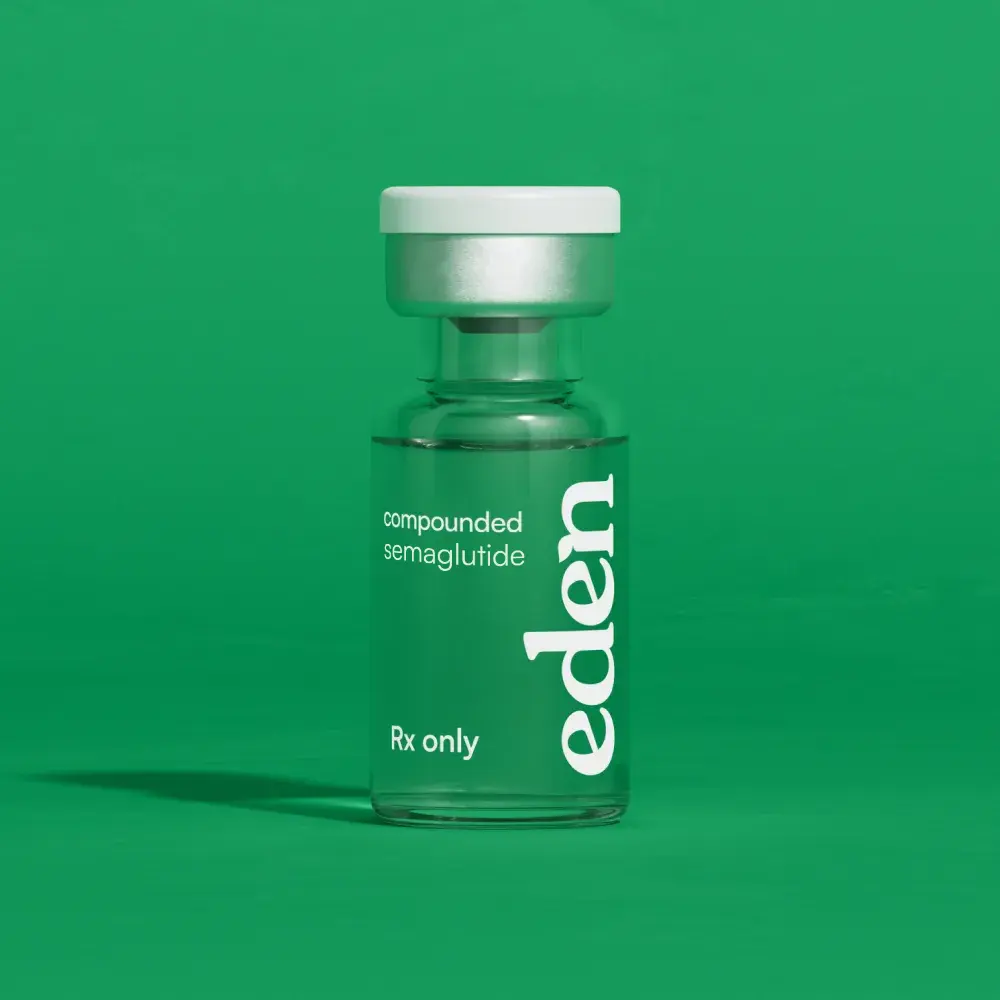
Rybelsus® for Weight Loss: What It Is, How It Works, and What to Expect




Rybelsus is an oral semaglutide GLP-1 pill, but is it right for weight loss? Learn how it works, what results to expect, & how it compares to injectables.
- Rybelsus® is a once-daily oral semaglutide tablet that is FDA-approved for type 2 diabetes. It’s sometimes used off-label for weight management under a licensed provider’s guidance and supervision.
- Clinical trials have shown Rybelsus® can produce modest weight changes, particularly at the 14 mg dose.
- Oral semaglutide has lower bioavailability than injectable forms, which contributes to more modest weight outcomes compared to injectable GLP-1 medications.
- In December 2025, the FDA approved a separate oral semaglutide product, the Wegovy® pill (25 mg), specifically for weight management, becoming the first oral GLP-1 medication approved for weight loss.
- Rybelsus® should be taken on an empty stomach, with ≤4 oz of water. It’s advised to wait 30 minutes afterward before consuming foods or beverages.
- Whether Rybelsus® is right for you depends on your goals, medical history, and lifestyle. A licensed healthcare provider can help determine the best path forward.
This article is for educational purposes only and is not a substitute for medical advice. Always consult a licensed healthcare provider before starting, stopping, or changing any medication.
Semaglutide is most well-known as a weekly injectable. However, this all changed in 2019 when the FDA approved the first oral GLP-1 tablet, Rybelsus®, for daily use in type 2 diabetes. But how does it compare to injectable options?
Below, you’ll learn what Rybelsus® is, how it works, what the research shows, how it compares to injectables, and what else you should know. This way, you can have an informed conversation with your provider about what’s best for you.
What Is Rybelsus®?
Rybelsus® is a once-daily oral tablet that contains semaglutide, which is a GLP-1 receptor agonist. Semaglutide mimics GLP-1, a hormone your body naturally releases in response to eating.
By activating GLP-1 receptors in the pancreas, gut, and brain, Rybelsus® may:
- Help the pancreas release insulin when blood sugar is high
- Reduce the release of glucagon (a hormone that raises blood sugar)
- Slow how quickly food leaves the stomach
- Suppress appetite signaling in the brain
Rybelsus® is FDA-approved for helping adults with type 2 diabetes manage their blood sugar (alongside diet and exercise) and is available in three doses: 3 mg (starter dose), 7 mg, and 14 mg.
Rybelsus® is not approved for weight loss, even though some clinical trials reported weight changes. However, Wegovy® (injectable semaglutide at 2.4 mg/week) is an FDA-approved semaglutide medication for weight management.
While Rybelsus® and Ozempic® are both semaglutide-based medications, they are different formulations and are not interchangeable on a milligram-for-milligram basis.
How Does Rybelsus® Work?
The GLP-1 Mechanism
Rybelsus® belongs to a class of medications called GLP-1 receptor agonists. GLP-1 (glucagon-like peptide-1) is a hormone naturally released by your gut after you eat. By mimicking this hormone, Rybelsus® works in three main ways:
- Stimulates insulin release: It signals the pancreas to release insulin in response to elevated blood sugar.
- Slows gastric emptying: Food moves more slowly from the stomach to the small intestine, which can prolong feelings of fullness.
- Reduces glucagon secretion: It lowers the release of glucagon, a hormone that raises blood sugar, helping prevent post-meal spikes.
These effects on appetite and satiety are associated with weight changes observed in clinical studies of GLP-1 medications, including in some individuals without diabetes.
How the Oral Tablet Is Absorbed
Peptide molecules, including semaglutide, are normally broken down in the stomach before they can be absorbed. To work around this, Rybelsus® uses an absorption enhancer called SNAC (sodium N-[8-(2-hydroxybenzoyl) amino] caprylate), which protects semaglutide from stomach acid and allows it to be absorbed through the stomach lining.
Because of this, Rybelsus® must be taken:
- First thing in the morning on an empty stomach
- With no more than 4 ounces (about 120 mL) of plain water
- At least 30 minutes before eating, drinking anything else, or taking other oral medications
-
Does Rybelsus® Cause Weight Loss?
What the Clinical Data Shows
In Rybelsus®’s clinical trials, the PIONEER program, researchers studied oral semaglutide primarily in adults with type 2 diabetes. Weight changes were a secondary outcome, not the main factor under study.
According to FDA labeling, participants taking Rybelsus® (7 mg) lost, on average, about 2 kg (roughly 4 to 5 pounds) more than those taking a placebo. Additionally, the 14 mg dose of Rybelsus® tended to produce greater changes. At the same time, it’s worth noting that participants in these trials weighed an average of 200 pounds at the beginning of the study.
While Rybelsus® is not FDA-approved for weight loss, other GLP-1 medications (such as the Wegovy® pill) are approved for chronic weight management in certain patients.
So, what does all of this mean for someone considering Rybelsus®?
Weight changes may happen after several weeks or months of taking Rybelsus®. Yet, it’s typically prescribed for type 2 diabetes. Any other purposes of this prescription are at the discretion of your physician. For more specific weight-loss goals, other FDA-approved GLP-1s may be considered, assuming the eligibility criteria are met.
Across treatment options, individual results may vary, often depending on the dose reached, how consistently the medication is taken, what you’re eating, your activity level, your starting weight, and your individual metabolism.
Why Rybelsus® Is Not FDA-Approved for Weight Loss
The FDA approves medications for specific uses based on clinical trial data submitted by the manufacturer. Novo Nordisk pursued, and received, weight loss approval for injectable semaglutide (Wegovy® injection at 2.4 mg/week) and, more recently, for oral semaglutide at the higher 25 mg dose (Wegovy® pill). They have neither pursued nor received approval for Rybelsus® at its current 3, 7, and 14 mg doses.
This doesn’t mean Rybelsus® has no effect on weight. The data clearly shows it can. It does mean that providers prescribing it for weight loss are doing so off-label, and insurance coverage for that use is typically not available.
Off-label prescribing is legal and common in medicine, but it should always happen under the guidance of a licensed provider who has reviewed your full health history.
Rybelsus® vs. Injectable Semaglutide: How Do They Compare?
The main difference is how each is administered. Beyond that, there are a few practical trade-offs to consider.
Effectiveness and Dose Ceiling
Injectable semaglutide (Wegovy® injection) has an approved maximum dose of 2.4 mg per week, while Rybelsus® tops out at 14 mg per day. The Wegovy® pill, by contrast, is dosed at 25 mg per day. This difference may sound counterintuitive until you factor in bioavailability.
Oral semaglutide has approximately 1% bioavailability, meaning only a small fraction of the dose reaches the bloodstream. Injectable semaglutide, by contrast, has around 89% bioavailability. Even at the higher daily oral dose, the systemic exposure is significantly lower than from the weekly injection, which is why higher oral doses are required to achieve similar weight outcomes.
This is the primary reason weight outcomes in Rybelsus® trials at 14 mg have been more modest than those seen with the injectable Wegovy® at 2.4 mg or the Wegovy® pill at 25 mg.
Convenience and Administration
For many people, the appeal of GLP-1 pills is the fact that it involves no needles.
With that said, Rybelsus®’s strict timing requirements may be difficult to maintain consistently, particularly for those with variable mornings, travel schedules, or busy households. Injectable semaglutide (Ozempic®, Wegovy®) is administered once a week with no food-timing restrictions.
Overall, whether the daily pill or weekly injection option fits better often comes down to your routine and lifestyle.
Side Effects
Because Rybelsus® and injectable semaglutide share the same active ingredient, their side effect profiles are broadly similar. The most commonly reported side effects are gastrointestinal, including:
- Nausea
- Vomiting
- Diarrhea
- Constipation
- Stomach pain
- Decreased appetite
These tend to occur most often during dose escalations and ease as the body adjusts.
Serious risks apply to both formulations and include pancreatitis, gallbladder disease, kidney injury (often related to dehydration from severe GI symptoms), and hypoglycemia (especially when used with insulin or sulfonylureas). Both also carry a boxed warning regarding the risk of thyroid C-cell tumors, with contraindications in people who have a personal or family history of medullary thyroid carcinoma (MTC) or Multiple Endocrine Neoplasia syndrome type 2 (MEN 2).
Cost and Insurance Coverage
Rybelsus® is a brand-name medication with a list price that may exceed $1,000 per month without insurance. Insurance coverage for Rybelsus® for weight loss is generally unavailable, as coverage is typically limited to its FDA-approved diabetes indication.
Novo Nordisk offers a savings card that may allow eligible commercially insured patients to pay as little as $25/month, but eligibility is restricted.
For people seeking GLP-1 therapy primarily for weight loss, the combined cost and coverage barriers may make brand-name Rybelsus® difficult to access. Many in this position explore alternatives, including compounded semaglutide programs offered through licensed telehealth providers, which may differ in cost.
However, compounded semaglutide is not FDA-approved and is only prescribed when a licensed provider determines that a compounded formulation is clinically appropriate for an individual patient. Compounded medications are not reviewed by the FDA for safety, efficacy, or quality and may vary in formulation and potency.
Quick Side-By-Side Comparison
Who May Be a Candidate for Rybelsus®?
Rybelsus® is FDA-approved for adults with type 2 diabetes. A provider may consider prescribing it off-label for weight management in adults who meet certain clinical criteria, typically a BMI of 30 or higher, or 27 or higher with a weight-related health condition. However, this is at the provider’s clinical discretion.
Rybelsus® is contraindicated in people with:
- A personal or family history of medullary thyroid carcinoma (MTC)
- Multiple Endocrine Neoplasia syndrome type 2 (MEN 2)
- Known hypersensitivity to semaglutide or any of its ingredients
Additional caution is warranted for those with a history of pancreatitis, gallbladder disease, or significant kidney issues. Rybelsus® is not approved for use in anyone under 18, and it’s generally stopped at least 2 months before a planned pregnancy.
Ultimately, a licensed provider will need to review your full medical history to determine whether Rybelsus® is appropriate for you.
What to Expect When Taking Rybelsus®
Dosing and Titration
The standard Rybelsus® dosing protocol begins with 3 mg once daily for 30 days. After at least 30 days, the dose is typically increased to 7 mg once daily. If additional blood sugar control is needed, it may be increased again to 14 mg after at least another 30 days at 7 mg.
Dose changes should only happen under provider guidance. Weight changes, if they occur, tend to be gradual and may take several weeks to become noticeable.
Managing Side Effects
Most reported side effects are gastrointestinal and are most common during dose escalation. A few practical tips that may help reduce nausea include:
- Eating smaller, more frequent meals
- Avoiding high-fat or spicy foods
- Staying well hydrated
- Taking Rybelsus® consistently on an empty stomach, as instructed
Most GI side effects tend to improve with time. However, contact your provider if symptoms are severe or persistent or include signs of pancreatitis (severe upper abdominal pain that may radiate to the back), persistent vomiting, signs of dehydration, or symptoms of an allergic reaction.
Realistic Timeline for Weight Loss Results
Clinical trial data suggest that meaningful weight changes with Rybelsus® at the 14 mg dose may begin to appear within 12 to 26 weeks of consistent use. But individual results may vary.
It’s also important to remember that GLP-1 medications work best as part of a comprehensive, medically supervised plan. In other words, Rybelsus® is intended to be used alongside diet, exercise, and ongoing care, not as a standalone fix.
Exploring Your Options: What If Rybelsus® Isn’t Right for You?
For many people seeking GLP-1 therapy specifically for weight loss, Rybelsus® may not be the most practical option due to its off-label status, cost barriers, and lower dose ceiling compared to Wegovy®. The good news is that there are other paths to consider, such as:
- Injectable semaglutide (Ozempic®, Wegovy®): These are FDA-approved options available at higher doses, though brand-name costs and insurance coverage may be challenges for some individuals.
- Injectable tirzepatide (Mounjaro®, Zepbound®): This is a dual GIP/GLP-1 receptor agonist, available in brand-name form.
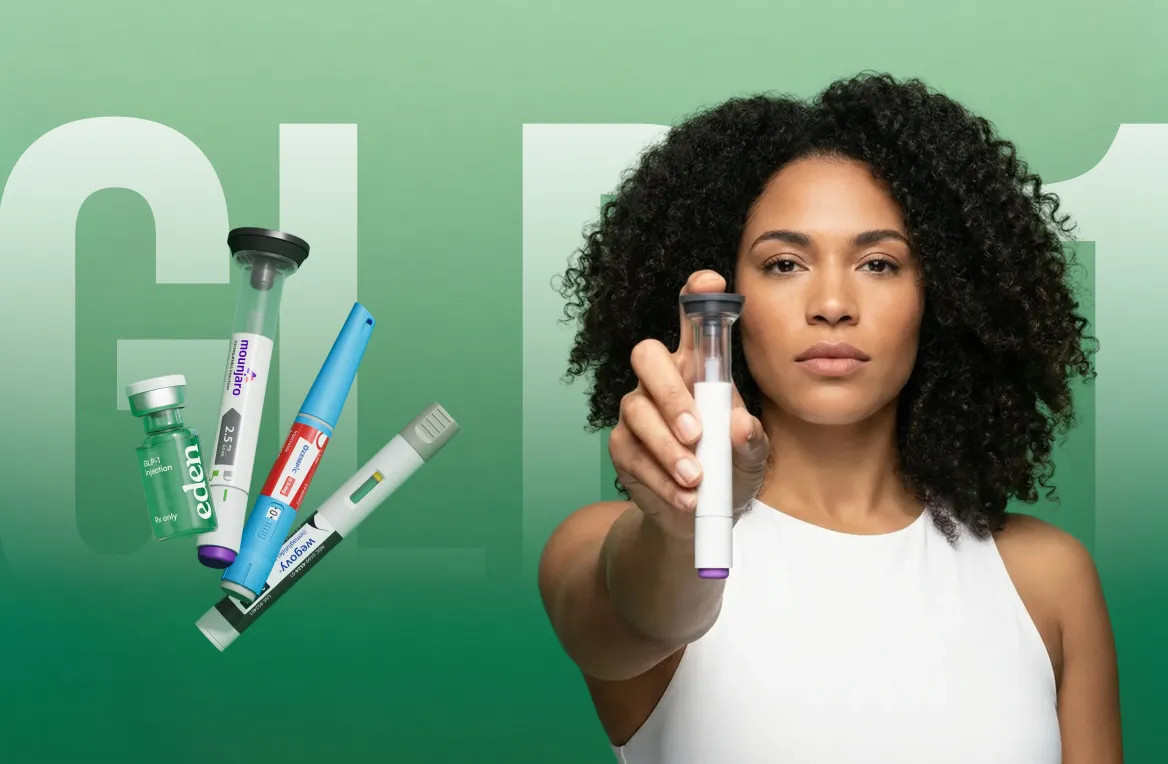
- Compounded semaglutide and tirzepatide: Available through licensed telehealth providers like Eden, these compounded medications are prescribed after a health evaluation and shipped directly to your home. Compounded medications are not FDA-approved, and eligibility is determined on an individual basis by a licensed provider.
- Oral weight management programs: For those who prefer non-injectable options, oral programs combining medications such as metformin, bupropion XL, and naltrexone may be appropriate, depending on a provider's evaluation.
If you’re exploring whether GLP-1 therapy or another option may be right for you, Eden can help simplify the process. Begin with a quick online intake. From there, Eden coordinates care by connecting you with a licensed healthcare provider who will review your health history, goals, and lifestyle to determine whether treatment is appropriate.
Final Thoughts
Rybelsus® was the first oral GLP-1 medication, making daily-pill semaglutide possible. While Rybelsus® weight loss results have been observed in clinical trials, it’s FDA-approved for type 2 diabetes, and any use for weight management is off-label.
Like any GLP-1 medication, it works best as part of a supervised care plan that takes your goals, history, and lifestyle into account. The next best step? Talk to a licensed healthcare provider about your options. They can help you weigh whether Rybelsus®, another GLP-1 medication, or a different path is right for you.












The FDA does not approve compounded medications for safety, quality, or manufacturing. Prescriptions and a medical evaluation are required for certain products. The information provided on this blog is for general informational purposes only. It is not intended as a substitute for professional advice from a qualified healthcare professional and should not be relied upon as personal health advice. The information contained in this blog is not meant to diagnose, treat, cure, or prevent any disease. Readers are advised to consult with a qualified healthcare professional for any medical concerns, including side effects. Use of this blog's information is at your own risk. The blog owner is not responsible for any adverse effects or consequences resulting from the use of any suggestions or information provided in this blog.
Eden is not a medical provider. Eden connects individuals with independent licensed healthcare providers who independently evaluate each patient to determine whether a prescription treatment program is appropriate. All prescriptions are written at the sole discretion of the licensed provider. Medications are filled by state-licensed pharmacies. Please consult a licensed healthcare provider before making any medical decisions.
Frequently asked questions
Is Rybelsus® FDA-approved for weight loss?

No. Rybelsus® is FDA-approved for type 2 diabetes. Other GLP-1 medications, such as Wegovy®, are FDA-approved for chronic weight management. It’s always important to consult a provider to determine appropriate options for you and your situation.
How much weight may you lose on Rybelsus®?
In PIONEER trials, average weight reduction at the 14 mg dose was modest. Individual results vary based on dose, adherence, diet, activity, and other factors. Any weight loss with Rybelsus® is considered an off-label outcome, not its approved purpose.
How long does it take to see results from Rybelsus®?
Rybelsus® reaches steady levels in your system after about 4 to 5 weeks, and any weight or A1C changes typically become more apparent over months rather than weeks.
Is Rybelsus® the same as Ozempic®?
Both are semaglutide-based medications, but Rybelsus® is a daily oral tablet, while Ozempic® is a weekly injection. They also have different dosing, different absorption profiles, and are not interchangeable on a milligram-for-milligram basis.
Related articles









Diabetes Savings Card Program | NovoCare®. (n.d.). https://www.novocare.com/eligibility/diabetes-savings-card.html
MOUNJARO. (2022). Highlights of prescribing information. https://www.accessdata.fda.gov/drugsatfda_docs/label/2022/215866s000lbl.pdf
Nova Nordisk. (n.d.). Novo Nordisk. https://www.novonordisk.com/content/nncorp/global/en/news-and-media/news-and-ir-materials/news-details.html?id=916472
OZEMPIC. (2023). HIGHLIGHTS OF PRESCRIBING INFORMATION. https://www.accessdata.fda.gov/drugsatfda_docs/label/2023/209637s020s021lbl.pdf
Rybelsus®. (2024). HIGHLIGHTS OF PRESCRIBING INFORMATION. https://www.accessdata.fda.gov/drugsatfda_docs/label/2024/213051s018lbl.pdf
Solis-Herrera, C., Kane, M. P., & Triplitt, C. (2024). Current Understanding of Sodium N-(8-[2-Hydroxylbenzoyl] Amino) Caprylate (SNAC) as an Absorption Enhancer: The Oral Semaglutide Experience. Clinical diabetes : a publication of the American Diabetes Association, 42(1), 74–86. https://pmc.ncbi.nlm.nih.gov/articles/PMC10788673/
WEGOVY. (2017). HIGHLIGHTS OF PRESCRIBING INFORMATION. https://www.accessdata.fda.gov/drugsatfda_docs/label/2025/218316Orig1s000lbl.pdf
Yang, X. D., & Yang, Y. Y. (2024). Clinical Pharmacokinetics of Semaglutide: A Systematic Review. Drug design, development and therapy, 18, 2555–2570. https://pmc.ncbi.nlm.nih.gov/articles/PMC11215664/
ZEPBOUND. (2022). Highlights of prescribing information. https://www.accessdata.fda.gov/drugsatfda_docs/label/2024/217806s003lbl.pdf
Thank you!
We'll be in touch.
Thank you!