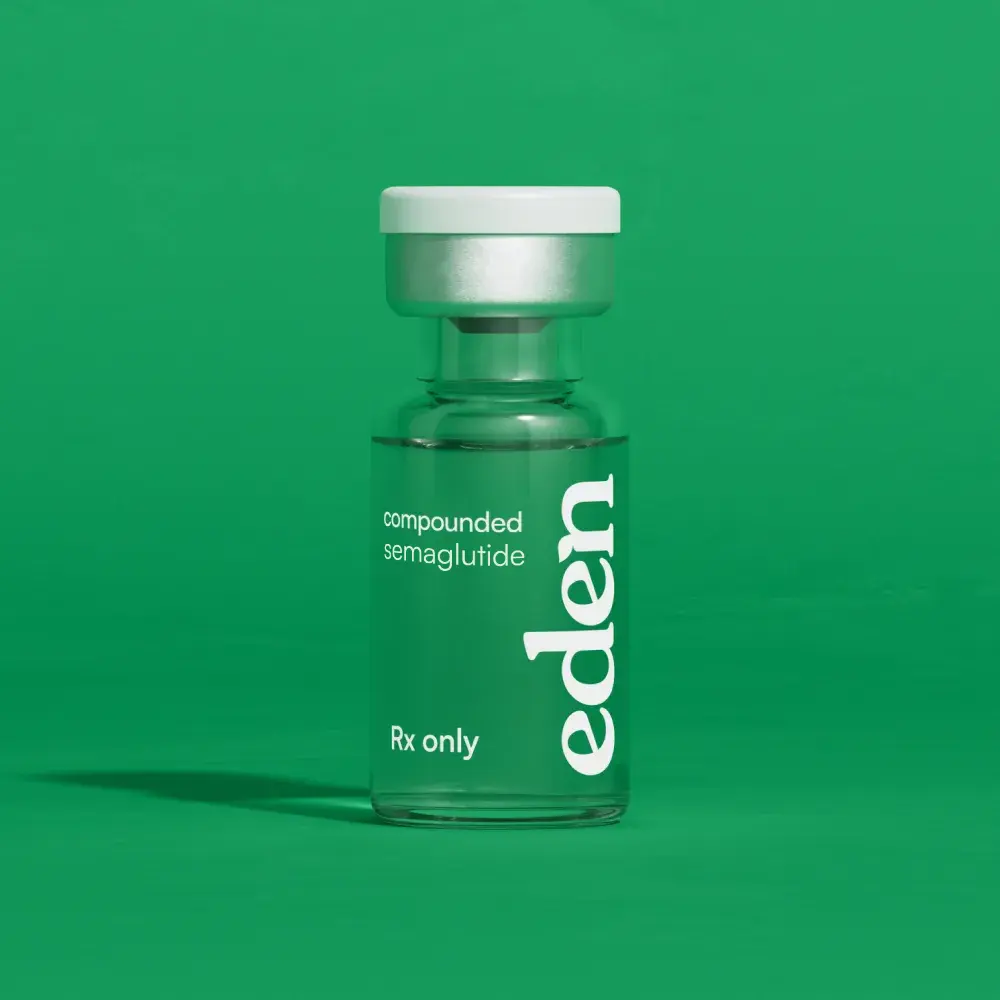
GLP‑1 Cost: What You’ll Actually Pay (2026 Guide)


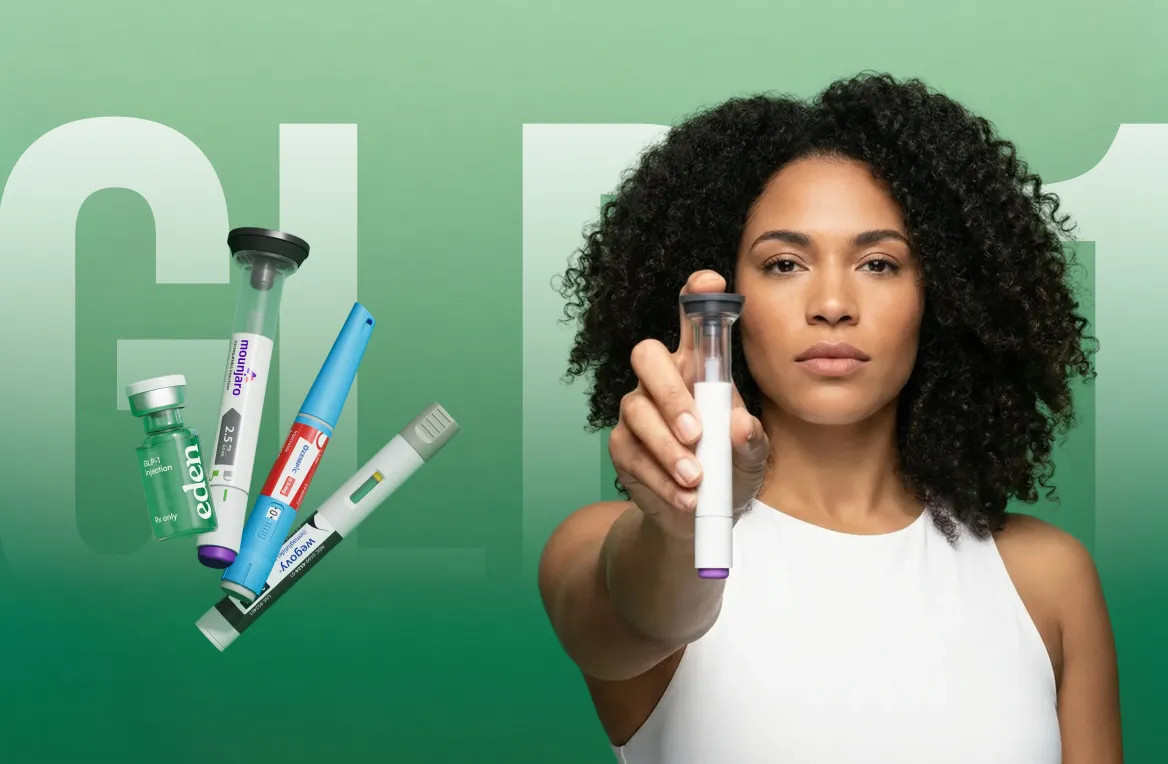

GLP 1 cost explained: real prices, comparisons, and what affects the cost of GLP 1 medications, including insurance and access options.
- GLP 1 cost can vary significantly based on the medication, insurance coverage, and how you access care
- GLP-1 medications are a class of prescription therapies that affect appetite and blood sugar regulation, and may be included in provider-guided care plans when clinically appropriate
- The cost of GLP 1 medications typically ranges from under $200/month to over $1,000/month
- Telehealth programs may offer more predictable monthly pricing and involve provider evaluation.
- Eden coordinates care by connecting patients with licensed providers who determine whether treatment is appropriate
- Affordability is improving, but access still depends on eligibility, supply, and provider decisions
What Is the GLP 1 Cost in 2026?
If you’ve been researching “GLP 1 cost,” you’ve probably noticed one thing right away: the numbers are all over the place. GLP 1 cost typically ranges from $900 to $1,300 per month without insurance, while costs may drop to $25–$300 with insurance if approved.
That’s not a mistake, as pricing isn’t standardized, and what you’ll actually pay depends on a few key factors:
- The specific medication prescribed
- Whether insurance covers it
- How you access care (in-person vs. telehealth)
Important: Compounded GLP-1 therapies may be prepared when a licensed prescriber determines there is a clinically significant difference for a specific patient. These medications are not reviewed or approved by the FDA for safety, efficacy, or quality.
Typical Monthly GLP 1 Cost Ranges
Here’s a realistic look at what people are paying today:
- Brand-name GLP-1 medications (no insurance): about $900–$1,300/month
- With insurance (if approved): often $25–$300/month
- Telehealth-based access (including compounded options, if prescribed): about $129–$329/month
For many people, insurance coverage is limited or unavailable, making out-of-pocket costs a deciding factor.
GLP 1 Cost by Access Type
{{primary-cta}}
A Real-World Look at GLP 1 Cost Through Telehealth
One reason telehealth has grown so quickly in this space is pricing transparency.
Many platforms now offer structured monthly pricing that’s easier to plan around compared to traditional care models.
Example of how pricing may look:
- Introductory month: ~$129–$249
- Ongoing monthly cost: ~$209–$329
Depending on the provider and platform, this may include:
- Medication (if prescribed)
- Clinical evaluation by a licensed provider
- Shipping
- Ongoing support
Not every provider structures pricing the same way, so it’s important to review the full breakdown before starting.
Eden focuses on simple, transparent pricing, so that you know exactly what you’ll pay each month without having to calculate add-ons or unexpected fees. Instead of separating costs for consultations, medication, and support, pricing is presented clearly upfront, making it easier to understand and plan for ongoing care. Eden coordinates care by connecting patients with licensed providers, who determine whether treatment is appropriate, and partner pharmacies fulfill prescriptions.
Why the Cost of GLP 1 Medications Varies So Much
When people ask about the cost of GLP 1, what they’re really asking is: why is it so inconsistent?
Here’s what’s driving the variation:
1. Insurance Coverage Isn’t Guaranteed
Some plans cover GLP-1 medications, but many don’t, or only cover them under strict criteria.
If you don’t qualify, you’ll likely be paying out of pocket.
2. Different Access Pathways
There are two main ways people access GLP-1 therapies:
- Commercial (FDA-approved) medications
- Compounded medications, which may be prescribed when a provider determines there’s a patient-specific clinical need for the medication
These pathways come with different pricing structures and considerations.
3. Care Model Differences
- Traditional clinics may involve multiple visits, labs, and variable billing
- Telehealth models often simplify the process and present pricing more clearly upfront
{{primary-cta}}
Are GLP-1 Medications Becoming More Affordable?
The short answer: in some ways, yes, but not across the board.
What’s Improving
- More providers offering transparent pricing
- Increased competition across telehealth platforms
- Flexible monthly program options
What Still Makes Access Difficult
- Insurance limitations
- Ongoing supply challenges
- Differences in how providers evaluate and prescribe treatment
For most people, affordability isn’t just about finding the lowest price—it’s about finding something sustainable month after month.
How to Evaluate GLP 1 Cost (Beyond Just Price)
A low monthly price doesn’t always tell the full story.
When comparing options, ask:
- Will this price stay the same over time or does it change depending on the dose?
- Are there extra fees (consultations, shipping, memberships)?
- Is clinical support included?
- Can I stop or adjust easily?
Some programs start with a lower introductory rate, then increase—so it’s worth understanding the long-term cost upfront.
What People Care About (Besides Cost)
Cost matters—but it’s rarely the only factor.
Many people also look for:
- A simple, straightforward process
- Confidence in the provider
- Clear communication
- Ongoing support throughout treatment
These factors often influence decisions just as much as price.
The Bottom Line on GLP 1 Cost
There isn’t a single “right” GLP 1 cost.
Instead, the goal is to find an option that’s:
- Clear and transparent
- Clinically appropriate
- Sustainable over time
If you’re comparing options, focus on understanding the full picture—not just the headline price.












The FDA does not approve compounded medications for safety, quality, or manufacturing. Prescriptions and a medical evaluation are required for certain products. The information provided on this blog is for general informational purposes only. It is not intended as a substitute for professional advice from a qualified healthcare professional and should not be relied upon as personal health advice. The information contained in this blog is not meant to diagnose, treat, cure, or prevent any disease. Readers are advised to consult with a qualified healthcare professional for any medical concerns, including side effects. Use of this blog's information is at your own risk. The blog owner is not responsible for any adverse effects or consequences resulting from the use of any suggestions or information provided in this blog.
Eden is not a medical provider. Eden connects individuals with independent licensed healthcare providers who independently evaluate each patient to determine whether a prescription treatment program is appropriate. All prescriptions are written at the sole discretion of the licensed provider. Medications are filled by state-licensed pharmacies. Please consult a licensed healthcare provider before making any medical decisions.
Frequently asked questions
How much does GLP-1 cost per month?

GLP 1 cost varies widely. Without insurance, brand-name medications may cost $900–$1,300 per month. Telehealth-based programs may range from about $129 to $329 per month if prescribed.
Why is the GLP-1 cost so expensive?
GLP 1 cost is influenced by manufacturing complexity, demand, and limited insurance coverage. Pricing can vary significantly depending on how you access care.
Does insurance cover GLP-1 medications?
Sometimes. Coverage depends on your plan and medical criteria, and not everyone qualifies.
Are there more affordable GLP-1 options?
Some care models offer lower monthly pricing, but a licensed provider must determine whether any treatment is appropriate.
Related articles










Centers for Medicare & Medicaid Services. (n.d.). Prescription drug coverage.
https://www.cms.gov/medicare/coverage/prescription-drug-coverage
Food and Drug Administration. (n.d.). Compounded drug products that are essentially copies of a commercially available drug product under section 503A of the Federal Food, Drug, and Cosmetic Act.
https://www.fda.gov/regulatory-information/search-fda-guidance-documents/compounded-drug-products-are-essentially-copies-commercially-available-drug-product-under-section
Food and Drug Administration. (2025, September 16). Compounding and the FDA: Questions and answers.
https://www.fda.gov/drugs/human-drug-compounding/compounding-and-fda-questions-and-answers
Food and Drug Administration. (n.d.). FDA’s concerns with unapproved GLP-1 drugs used for weight loss.
https://www.fda.gov/drugs/postmarket-drug-safety-information-patients-and-providers/fdas-concerns-unapproved-glp-1-drugs-used-weight-loss
IQVIA Institute for Human Data Science. (2024). The use of medicines in the U.S. 2024: Usage and spending trends and outlook to 2028.
https://www.iqvia.com/insights/the-iqvia-institute/reports-and-publications/reports/the-use-of-medicines-in-the-us-2024
Kaiser Family Foundation. (2026, January 29). Medicaid coverage of and spending on GLP-1s. https://www.kff.org/medicaid/medicaid-coverage-of-and-spending-on-glp-1s/
Thank you!
We'll be in touch.
Thank you!