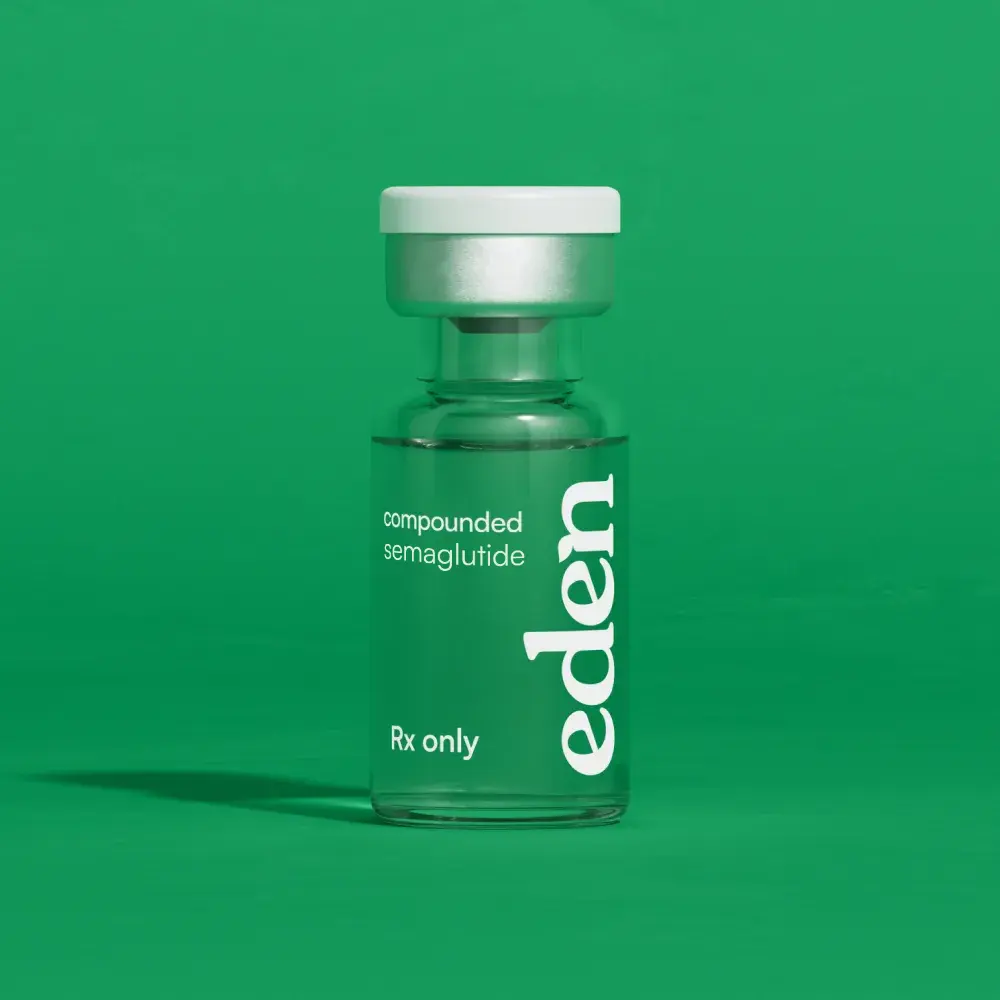
7 Food and Supplements to Support Natural GLP 1 Levels




Looking for natural GLP 1 alternatives? Discover the best foods and supplements that may support GLP-1 levels and weight management without a prescription.
- Natural GLP 1 production may be supported by specific foods, such as eggs, nuts, and high-fiber options, as well as lifestyle choices, including regular exercise, quality sleep, and stress management.
- GLP-1 is a hormone your body naturally produces to regulate appetite, digestion, and blood sugar.
- By slowing digestion and signaling fullness to the brain, GLP-1 may play a supporting role in weight management.
- Natural approaches can support your body’s existing GLP-1 production but don’t replicate the effects of prescription GLP-1 medications.
This article is for informational purposes only and does not constitute medical advice, diagnosis, or treatment. The natural approaches discussed are not intended to replace or replicate the effects of prescription GLP-1 medications. Individual results may vary. Always consult a licensed healthcare provider before starting any new supplement or making significant changes to your diet or lifestyle.
What Is a Natural Alternative to GLP-1?
GLP-1 (glucagon-like peptide-1) is a hormone produced in specialized cells called enteroendocrine L-cells, found in your small intestine and colon. When you eat, these cells release GLP-1. From there, they signal your pancreas to release insulin, suppress glucagon to prevent excess glucose from entering your bloodstream, slow stomach emptying so nutrients are absorbed more gradually, and send satiety signals to your brain. Together, these effects may help regulate appetite and blood sugar after meals.
Yet, research suggests that GLP-1 secretion from the gut may be modestly reduced in people living with obesity, which can interfere with the hormone’s ability to signal fullness effectively. And this is part of why appetite regulation becomes harder.
As such, GLP-1 receptor agonist medications mimic GLP-1 but are structurally modified to resist degradation by the enzyme that breaks down the natural hormone. Your body’s own GLP-1 has a half-life of just one to two minutes, while medications are designed to circulate far longer and at much higher concentrations than your body produces on its own.
At the same time, natural alternatives are gaining attention for several reasons, including cost, accessibility, and concerns about the side effects of GLP-1 injections. Through specific natural GLP-1 foods, eating habits, natural GLP-1 supplements, and lifestyle changes, you may be able to support your body’s natural GLP-1 production.
{{primary-cta}}
7 Foods and Supplements That Support Natural GLP-1 Levels
Here’s a look at the most evidence-backed natural GLP 1 foods and supplements, starting with what you eat and ending with supplements worth knowing about.
1. Eggs
Eggs are among the more commonly studied protein sources that may stimulate GLP-1 release. Research suggests that egg meals may lead to lower post-meal blood glucose, reduced hunger, and decreased food intake over 24 hours compared with carbohydrate-heavy breakfasts such as bagels.
Overall, they’re a practical, accessible starting point for anyone looking to build meals that may help support GLP-1 release.
2. Nuts
Almonds, pistachios, and peanuts contain protein and fiber that may help support satiety and healthy glucose responses. They are associated with slower glucose absorption compared with refined carbohydrate foods. Thus, including a small portion of nuts as a snack or as part of a meal may help regulate appetite.
3. High-Fiber Foods
Fermentable fibers may help stimulate GLP-1 release. When gut bacteria break down soluble fiber and resistant starch, they produce short-chain fatty acids that may interact with receptors on L-cells involved in hormone signaling.
Foods rich in these fibers include oats, beans, lentils, chia seeds, barley, apples, pears, and cooked-then-cooled potatoes. The diversity of options here makes it relatively easy to build meals that may support GLP-1 activity without major dietary overhauls.
4. Dairy and Other Protein Sources
Dairy is a natural pairing of protein and calcium, and research suggests that the combination may support GLP-1 secretion.
Whey and casein proteins have both been shown to stimulate GLP-1 secretion, and studies indicate that consuming them alongside calcium may produce a stronger hormonal response than protein alone. For those who don’t consume dairy, soy, and gluten, proteins have been shown to trigger GLP-1 secretion in some studies.
5. Healthy Fats
Unsaturated fats from sources such as olive oil, avocado, fatty fish, flaxseed, and walnuts have been associated with GLP-1 release via specific receptor pathways, including GPR40 and GPR119. Research in both animal models and humans supports this. A human trial also found that extra-virgin olive oil resulted in significantly higher postprandial GLP-1 levels than a butter-based meal.
6. Spices
A handful of common spices show promising effects on GLP-1 and blood sugar regulation, though most evidence comes from preclinical and cell-based studies. Curcumin, the active compound in turmeric, has been shown to stimulate GLP-1 secretion in enteroendocrine L-cells in a dose-dependent manner. Cinnamon may also improve insulin sensitivity and support healthy post-meal glucose responses.
7. Berberine
Berberine is a plant-based supplement that may influence metabolic pathways related to glucose regulation and the gut microbiome. A 2020 meta-analysis of 12 randomized controlled trials found modest reductions in body weight and waist circumference.
However, it may cause digestive side effects and interact with several common medications. It’s also not regulated by the FDA in the same way as prescription medications, so it’s important to speak with a healthcare provider before starting.
How to Increase GLP-1 Naturally Through Eating Habits
How you eat also has a measurable impact on GLP-1 release. Here’s what the research shows on GLP-1 and eating habits.
- Eat slowly and chew thoroughly: Research found that chewing each bite 30 times was associated with higher GLP-1 concentrations.
- Sequence your food: Starting meals with fiber and protein before carbohydrates has been shown to produce a greater GLP-1 response in some studies and lower post-meal glucose levels.
- Check in mid-meal: Pausing halfway through a meal may also help give time to signal fullness before overeating.
Lifestyle Factors That Support GLP-1 Production
Your broader lifestyle may also shape how well your body produces and responds to GLP-1, including:
- Exercise: Both human and animal research shows aerobic activity may increase GLP-1 secretion, and consistent movement also supports gut microbiome health, which may further support L-cell hormone release. Aim for 150 minutes of moderate aerobic activity and 2 sessions of resistance training each week.
- Sleep: Sleep deprivation disrupts GLP-1 timing and has been associated with changes in GLP-1 levels, while also impairing glucose tolerance through other hormonal pathways. However, aiming for seven to nine hours of sleep with consistent wake times supports the hormonal balance that GLP-1 depends on.
- Stress management: Research shows chronic glucocorticoid exposure (such as stress hormones produced by the adrenals) may alter GLP-1 signaling, and broader human evidence links glucocorticoid excess to impaired satiety signaling overall. Thus, practicing relaxation techniques and reducing stress may support overall metabolic health.
With Eden, you can do a quick online intake. Afterwards, we’ll connect you with a licensed provider who can help determine what’s best for you.
Final Thoughts
Using natural ways to potentially support your body’s natural GLP-1 production doesn’t replace what prescription medications can do. But natural approaches can create a stronger foundation.
If you’re still unsure of what your next step should be, a licensed healthcare provider can evaluate your health history and help determine what’s best for you.




- Transparent pricing
- Same price at every dose
- No memberships or contracts
- Fast, free shipping
- Guided personalized plans
- 24/7 human support
- Real member community
- Complex pricing
- Price increases with dose
- Membership fees
- Long wait times
- Limited clinician support
- Automated customer service
- No member community








The FDA does not approve compounded medications for safety, quality, or manufacturing. Prescriptions and a medical evaluation are required for certain products. The information provided on this blog is for general informational purposes only. It is not intended as a substitute for professional advice from a qualified healthcare professional and should not be relied upon as personal health advice. The information contained in this blog is not meant to diagnose, treat, cure, or prevent any disease. Readers are advised to consult with a qualified healthcare professional for any medical concerns, including side effects. Use of this blog's information is at your own risk. The blog owner is not responsible for any adverse effects or consequences resulting from the use of any suggestions or information provided in this blog.
Eden is not a medical provider. Eden connects individuals with independent licensed healthcare providers who independently evaluate each patient to determine whether a prescription treatment program is appropriate. All prescriptions are written at the sole discretion of the licensed provider. Medications are filled by state-licensed pharmacies. Please consult a licensed healthcare provider before making any medical decisions.
Frequently asked questions
What is a natural alternative to GLP-1?

Natural alternatives to GLP-1 medications may include specific foods, eating habits, supplements, and lifestyle changes that support your body’s own GLP-1 production. However, they work differently from prescription medications and produce more modest results.
Can natural methods replace GLP-1 medications?
Natural approaches can’t replicate the effectiveness of GLP-1 receptor agonist medications; your body’s own GLP-1 has a half-life of just one to two minutes, while medications are designed to resist breakdown and circulate much longer at much higher concentrations.
Is berberine a good natural GLP 1 supplement?
Berberine shows modest evidence of supporting GLP-1 secretion and weight management, but it acts differently than GLP-1 medications, carries risks, including drug interactions, and should only be taken under the guidance of a licensed healthcare provider.
What lifestyle habits best support GLP-1 production?
Regular aerobic and resistance exercise, seven to nine hours of quality sleep nightly, and managing chronic stress are the lifestyle factors most consistently linked to better natural GLP-1 production and response.
Related articles









Asbaghi, O., Ghanbari, N., Shekari, M., Reiner, Ž., Amirani, E., Hallajzadeh, J., Mirsafaei, L., & Asemi, Z. (2020). The effect of berberine supplementation on obesity parameters, inflammation and liver function enzymes: A systematic review and meta-analysis of randomized controlled trials. Clinical nutrition ESPEN, 38, 43–49. https://pubmed.ncbi.nlm.nih.gov/32690176/
Bodnaruc, A. M., Prud'homme, D., Blanchet, R., & Giroux, I. (2016). Nutritional modulation of endogenous glucagon-like peptide-1 secretion: a review. Nutrition & metabolism, 13, 92. https://pubmed.ncbi.nlm.nih.gov/27990172/
Hamasaki H. (2018). Exercise and glucagon-like peptide-1: Does exercise potentiate the effect of treatment?. World journal of diabetes, 9(8), 138–140. https://pmc.ncbi.nlm.nih.gov/articles/PMC6107470/
Hlebowicz, J., Hlebowicz, A., Lindstedt, S., Björgell, O., Höglund, P., Holst, J. J., Darwiche, G., & Almér, L. O. (2009). Effects of 1 and 3 g cinnamon on gastric emptying, satiety, and postprandial blood glucose, insulin, glucose-dependent insulinotropic polypeptide, glucagon-like peptide 1, and ghrelin concentrations in healthy subjects. The American journal of clinical nutrition, 89(3), 815–821. https://pubmed.ncbi.nlm.nih.gov/19158209/
Holst J. J. (2007). The physiology of glucagon-like peptide 1. Physiological reviews, 87(4), 1409–1439. https://pubmed.ncbi.nlm.nih.gov/17928588/
Kato, M., Nishikawa, S., Ikehata, A., Dochi, K., Tani, T., Takahashi, T., Imaizumi, A., & Tsuda, T. (2017). Curcumin improves glucose tolerance via stimulation of glucagon-like peptide-1 secretion. Molecular nutrition & food research, 61(3), 10.1002/mnfr.201600471. https://pubmed.ncbi.nlm.nih.gov/27990751/
Kubota, S., Liu, Y., Iizuka, K., Kuwata, H., Seino, Y., & Yabe, D. (2020). A Review of Recent Findings on Meal Sequence: An Attractive Dietary Approach to Prevention and Management of Type 2 Diabetes. Nutrients, 12(9), 2502. https://pmc.ncbi.nlm.nih.gov/articles/PMC7551485/
Kuckuck, S., van der Valk, E. S., Scheurink, A. J. W., van der Voorn, B., Iyer, A. M., Visser, J. A., Delhanty, P. J. D., van den Berg, S. A. A., & van Rossum, E. F. C. (2023). Glucocorticoids, stress and eating: The mediating role of appetite-regulating hormones. Obesity reviews: an official journal of the International Association for the Study of Obesity, 24(3), e13539. https://pubmed.ncbi.nlm.nih.gov/36480471/
Popoviciu, M. S., Păduraru, L., Yahya, G., Metwally, K., & Cavalu, S. (2023). Emerging Role of GLP-1 Agonists in Obesity: A Comprehensive Review of Randomised Controlled Trials. International journal of molecular sciences, 24(13), 10449. https://pmc.ncbi.nlm.nih.gov/articles/PMC10341852/
Ratliff, J., Leite, J. O., de Ogburn, R., Puglisi, M. J., VanHeest, J., & Fernandez, M. L. (2010). Consuming eggs for breakfast influences plasma glucose and ghrelin, while reducing energy intake during the next 24 hours in adult men. Nutrition research (New York, N.Y.), 30(2), 96–103. https://pubmed.ncbi.nlm.nih.gov/20226994/
Sonoki, K., Iwase, M., Takata, Y., Nakamoto, T., Masaki, C., Hosokawa, R., Murakami, S., Chiwata, K., & Inoue, H. (2013). Effects of thirty-times chewing per bite on secretion of glucagon-like peptide-1 in healthy volunteers and type 2 diabetic patients. Endocrine journal, 60(3), 311–319. https://pubmed.ncbi.nlm.nih.gov/23138354/
St-Onge, M. P., O'Keeffe, M., Roberts, A. L., RoyChoudhury, A., & Laferrère, B. (2012). Short sleep duration, glucose dysregulation, and hormonal regulation of appetite in men and women. Sleep, 35(11), 1503–1510. https://pmc.ncbi.nlm.nih.gov/articles/PMC3466797/
Watkins, J. D., Koumanov, F., & Gonzalez, J. T. (2021). Protein- and Calcium-Mediated GLP-1 Secretion: A Narrative Review. Advances in nutrition (Bethesda, Md.), 12(6), 2540–2552. https://pmc.ncbi.nlm.nih.gov/articles/PMC8634310/
Thank you!
We'll be in touch.
Thank you!