Microdosing GLP-1: Benefits, Risks, and What the Research Really Says




Thinking about microdosing GLP-1? Learn the real benefits, risks, safety concerns, and what clinical research says about low-dose semaglutide and other GLP-1 medications.
- Microdosing GLP-1 means using a lower-than-standard dose, but long-term effectiveness hasn’t been confirmed in large clinical trials.
- Research on GLP-1s shows dose-dependent outcomes, with higher studied doses generally producing greater average results.
- Lower doses may reduce GI side effects for some people, but may also reduce therapeutic benefit.
- Changing GLP-1 dosing without a clinician’s guidance can increase risks, including dosing errors and reduced effectiveness.
- Compounded GLP-1 medications are not FDA-approved and may only be prescribed when a licensed provider determines an individualized clinical need.
This article is for informational purposes only and is not a substitute for professional medical advice. Always talk to a licensed healthcare provider before changing how you take any medication, including GLP-1s.
Why Microdosing GLP-1 Is Getting So Much Attention
Microdosing GLP-1 is gaining attention as patients look for ways to reduce side effects, manage costs, or maintain results on lower doses. But does taking a smaller amount actually provide meaningful benefits — or does it simply reduce effectiveness? Understanding what clinical research shows (and what it doesn’t show) is essential before making any changes to your treatment plan.
What Is Microdosing GLP-1?
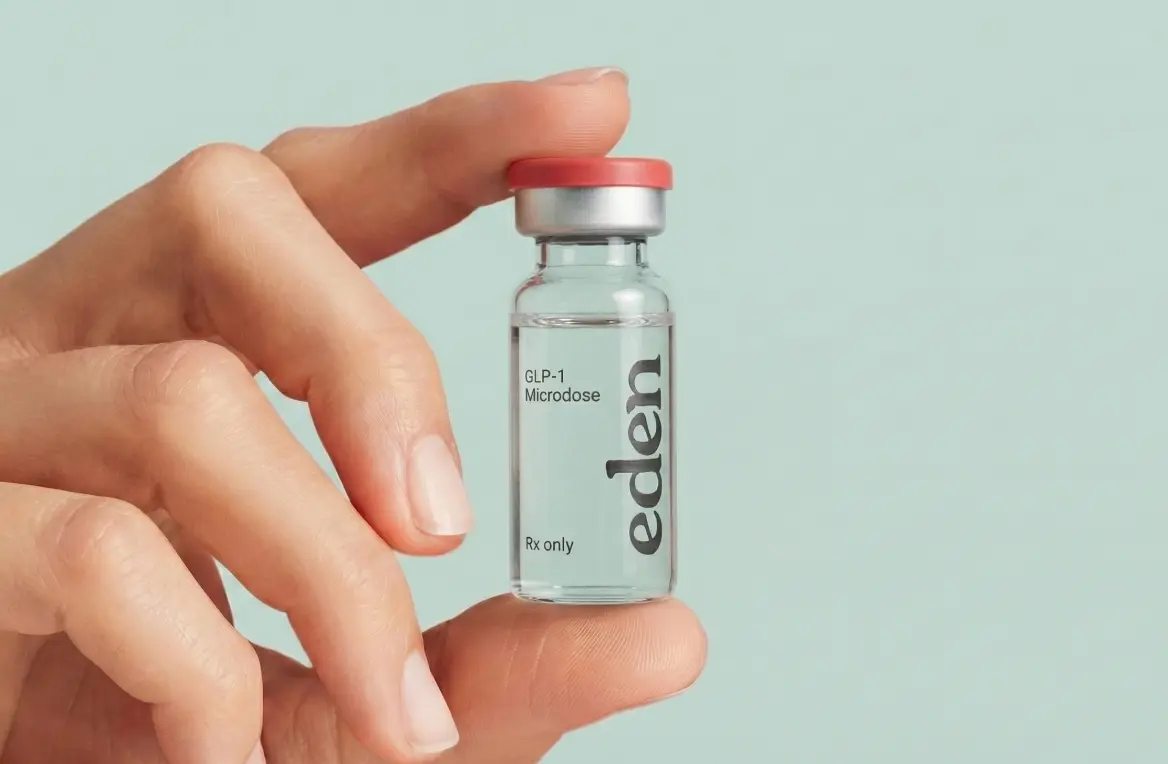
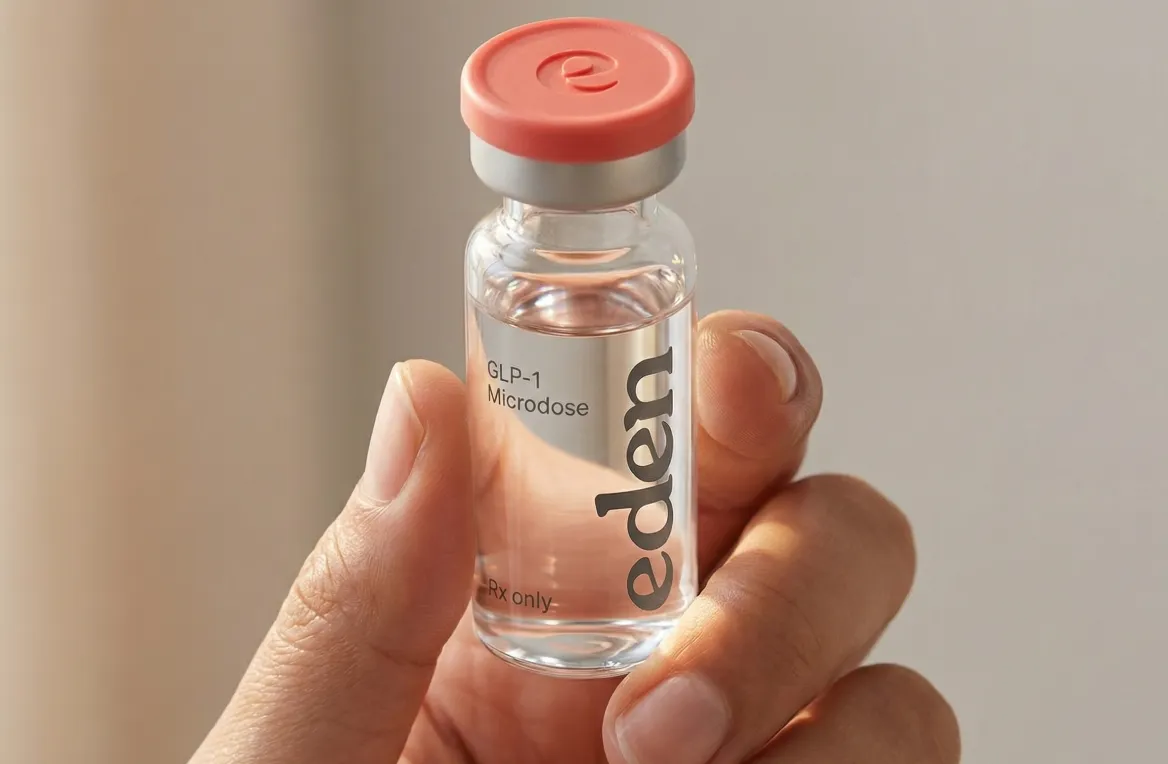
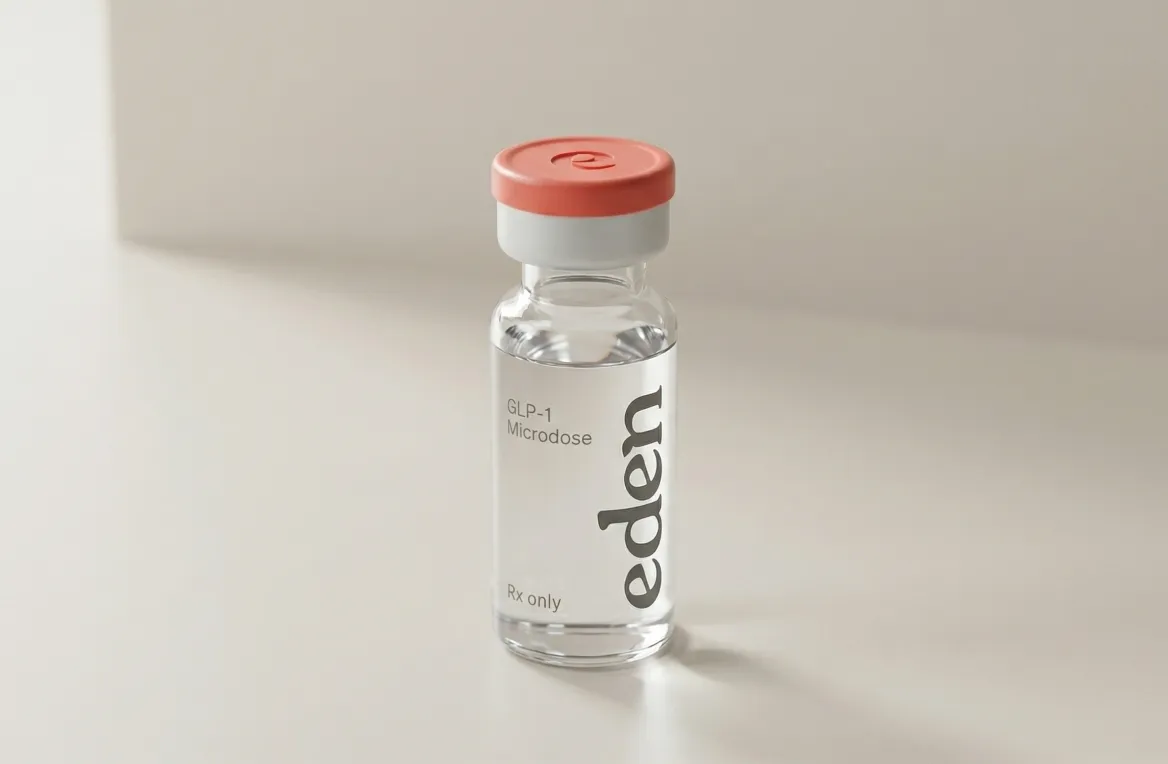
Clinically speaking, there is no formal medical definition of “microdosing GLP-1.”
The term generally refers to taking a dose lower than the standard FDA-approved titration schedule for a GLP-1 receptor agonist.
For example, FDA-approved semaglutide products typically begin at 0.25 mg weekly and gradually increase to higher maintenance doses. Microdosing discussions often refer to staying below the therapeutic levels studied long-term.
Large clinical trials evaluated structured, escalating dosing schedules rather than indefinite ultra-low regimens as seen with microdosing.
It’s something to consider when evaluating safety and effectiveness.
{{primary-cta}}
Why Patients Consider Lower Doses
Interest in microdosing GLP-1 usually centers around three practical concerns.
1. Side Effects at Higher Doses
GLP-1 receptor agonists may cause gastrointestinal symptoms such as:
- Nausea
- Vomiting
- Diarrhea
- Constipation
- Decreased appetite
These effects are often more common as doses increase. Some individuals report improved tolerability at lower doses. However, tolerability and therapeutic effectiveness are not the same thing.
Reducing the dose may reduce symptoms, but it may also reduce clinical benefit.
2. Cost Concerns
GLP-1 medications can be expensive, particularly without insurance coverage.
Some individuals consider smaller doses to try to extend their supply. However, altering a prescribed dosing schedule without medical supervision may increase risks and reduce effectiveness.
Financial concerns are understandable, but dosing decisions should remain clinically guided.
3. Long-Term Weight Maintenance
After reaching their goal weight, some patients ask whether they can lower their dose while maintaining results.
Clinical data show that discontinuing GLP-1 therapy has been associated with weight regain in many participants. However, long-term microdosing strategies have not been studied in large randomized controlled trials.
At this time, evidence for microdosing “maintenance dosing” remains limited.
How GLP-1 Medications Work And Why Dose Matters
GLP-1 receptor agonists mimic a natural hormone that:
- Stimulates insulin release when blood glucose rises
- Reduces glucagon secretion
- Slows gastric emptying
- Signals fullness in the brain
Even lower doses activate GLP-1 receptors. However, clinical trials consistently demonstrate a dose-response relationship.
In other words:
Higher doses studied → greater average weight reduction and blood sugar improvements.
Lower doses may still produce physiological effects, but typically to a lesser degree.
What Clinical Research Shows (And Doesn’t Show)
Here’s the key point:
There are no large randomized controlled trials specifically evaluating long-term microdosing GLP-1 regimens.
FDA-approved GLP-1 medications were studied using defined titration schedules and therapeutic dose ranges. Those are the doses supported by safety and efficacy data.
What research does show:
- Greater average weight reduction at higher doses
- Greater HbA1c reduction at higher doses
- Increased side effects with dose escalation
What research does not yet establish:
- Whether ultra-low doses maintain meaningful long-term weight reduction
- Whether microdosing produces comparable metabolic outcomes
- Whether indefinite low-dose therapy is effective for maintenance
Much of the online discussion is anecdotal rather than trial-based.
Potential Benefits People Report
Although not confirmed in large clinical trials, some individuals exploring microdosing GLP-1 report:
- Fewer gastrointestinal symptoms
- Subtle appetite changes
- Easier re-initiation after treatment pauses
These experiences vary by individual and should not be interpreted as guaranteed outcomes.
Risks of Microdosing GLP-1
Reduced Effectiveness
Because outcomes in clinical studies increase with therapeutic dosing, very low doses may not provide meaningful metabolic benefit.
Lower intensity does not necessarily mean sufficient treatment.
Dosing Errors
Altering dosing schedules, especially with multidose pens or certain formulations, may increase the risk of:
- Under-dosing
- Over-dosing
- Injection measurement errors
Accuracy is critical for both safety and effectiveness.
Known Safety Risks Still Apply
Lower doses do not eliminate potential risks associated with GLP-1 receptor agonists, which may include:
- Pancreatitis
- Gallbladder disease
- Thyroid C-cell tumor warning (for certain products)
- Hypoglycemia when combined with insulin
Even smaller amounts affect physiology.
{{primary-cta}}
FDA-Approved vs. Compounded GLP-1 Therapies
It is important to distinguish between FDA-approved medications and compounded formulations.
FDA-Approved GLP-1 Medications
These undergo FDA review for safety, efficacy, and manufacturing standards.
Compounded GLP-1 Therapies
Compounded medications:
- Are not FDA-approved
- Do not undergo FDA premarket review for safety, effectiveness, or manufacturing quality
- May only be prepared when a licensed prescriber determines there is a clinically significant difference needed for an identified patient
Compounded medications are not FDA-approved and do not undergo FDA review for safety, effectiveness, or manufacturing quality.
Patients considering compounded therapies should speak directly with a licensed healthcare provider to understand regulatory and safety differences.
When Lower Doses May Be Clinically Discussed
Some clinicians may consider individualized dose adjustments in situations such as:
- Significant gastrointestinal intolerance
- Gradual re-initiation after interruption
- Unique patient-specific clinical considerations
These decisions are individualized and should not be made independently.
The Bottom Line
Microdosing GLP-1 reflects a real patient concern: balancing effectiveness, tolerability, cost, and long-term planning.
What current evidence tells us is clear:
GLP-1 medications demonstrate greater average outcomes at studied therapeutic doses.
What remains uncertain:
Whether ultra-low long-term regimens provide comparable benefits.
Before adjusting any GLP-1 dosing strategy, the safest step is to discuss it with a licensed healthcare professional who can evaluate your medical history, goals, and tolerance.
Making dosing decisions with a licensed healthcare provider helps safeguard both your progress and your health.









The FDA does not approve compounded medications for safety, quality, or manufacturing. Prescriptions and a medical evaluation are required for certain products. The information provided on this blog is for general informational purposes only. It is not intended as a substitute for professional advice from a qualified healthcare professional and should not be relied upon as personal health advice. The information contained in this blog is not meant to diagnose, treat, cure, or prevent any disease. Readers are advised to consult with a qualified healthcare professional for any medical concerns, including side effects. Use of this blog's information is at your own risk. The blog owner is not responsible for any adverse effects or consequences resulting from the use of any suggestions or information provided in this blog.
Eden is not a medical provider. Eden connects individuals with independent licensed healthcare providers who independently evaluate each patient to determine whether a prescription treatment program is appropriate. All prescriptions are written at the sole discretion of the licensed provider. Medications are filled by state-licensed pharmacies. Please consult a licensed healthcare provider before making any medical decisions.
Related articles




Bednarz, K., Kowalczyk, K., Cwynar, M., Czapla, D., Czarkowski, W., Kmita, D., Nowak, A., & Madej, P. (2022). The Role of Glp-1 Receptor Agonists in Insulin Resistance with Concomitant Obesity Treatment in Polycystic Ovary Syndrome. International Journal of Molecular Sciences, 23(8), 4334. https://doi.org/10.3390/ijms23084334
BioSpace. (2025, January 29). Jaguar Health Supports Evaluation of FDA-Approved Crofelemer to Address GI Side Effects of GLP-1 and Other Weight Loss Therapies: Files Patent Application with USPTO. https://www.biospace.com/press-releases/jaguar-health-supports-evaluation-of-fda-approved-crofelemer-to-address-gi-side-effects-of-glp-1-and-other-weight-loss-therapies-files-patent-application-with-uspto
Clinic, C. (2025, August 28). Should you microdose GLP-1 drugs? Cleveland Clinic. https://health.clevelandclinic.org/microdosing-glp-1
Komé, A. M., Chandran, M. M., Lopez, S. S. T., Buse, J. B., & Klein, K. R. (2025). One size does not fit all: Understanding microdosing semaglutide for diabetes in multidose pens. Diabetes Care. https://doi.org/10.2337/dc24-2575
Laurindo, L. F., Barbalho, S. M., Guiguer, E. L., Da Silva Soares De Souza, M., De Souza, G. A., Fidalgo, T. M., Araújo, A. C., De Souza Gonzaga, H. F., De Bortoli Teixeira, D., De Oliveira Silva Ullmann, T., Sloan, K. P., & Sloan, L. A. (2022). GLP-1a: Going beyond Traditional Use. International Journal of Molecular Sciences, 23(2), 739. https://doi.org/10.3390/ijms23020739
Research, C. F. D. E. A. (2025, July 29). FDA’s Concerns with Unapproved GLP-1 Drugs Used for Weight Loss. U.S. Food And Drug Administration. https://www.fda.gov/drugs/postmarket-drug-safety-information-patients-and-providers/fdas-concerns-unapproved-glp-1-drugs-used-weight-loss
Shah, M., & Vella, A. (2014). Effects of GLP-1 on appetite and weight. Reviews in Endocrine and Metabolic Disorders, 15(3), 181–187. https://doi.org/10.1007/s11154-014-9289-5
Szczesnowicz, A., Szeliga, A., Niwczyk, O., Bala, G., & Meczekalski, B. (2023). Do GLP-1 analogs have a place in the treatment of PCOS? New insights and promising therapies. Journal of Clinical Medicine, 12(18), 5915. https://doi.org/10.3390/jcm12185915
Tejera-Pérez, C. (2025). Comment on Komé et al. One Size Does Not Fit All: Understanding Microdosing Semaglutide for Diabetes in Multidose Pens. Diabetes Care, 48(7), e93. https://doi.org/10.2337/dc25-0566
Wilding, J. P. H., Batterham, R. L., Davies, M., Van Gaal, L. F., Kandler, K., Konakli, K., Lingvay, I., McGowan, B. M., Oral, T. K., Rosenstock, J., Wadden, T. A., Wharton, S., Yokote, K., & Kushner, R. F. (2022). Weight regain and cardiometabolic effects after withdrawal of semaglutide: The STEP 1 trial extension. Diabetes Obesity and Metabolism, 24(8), 1553–1564. https://doi.org/10.1111/dom.14725
Thank you!
We'll be in touch.
Thank you!