How to Microdose GLP‑1: A Beginner’s Guide




Wondering how to microdose GLP-1? Learn what it means, how schedules and charts work, and why a licensed provider’s guidance is key to the right dose.
- Learning how to microdose GLP-1 starts with a discussion with a licensed healthcare provider to determine if a prescription, if any, is right for you.
- Microdosing generally refers to starting at doses lower than standard dosing approaches, as determined by a licensed healthcare provider, to support gradual dose adjustment based on individual tolerance.
- A structured GLP-1 microdosing schedule, developed with your provider, is essential for safe titration and tracking progress over time.
- Results may take longer with microdosing than standard dosing, meaning patience and consistent monitoring are key to making it work.
This article is for informational purposes only and does not constitute medical advice. Always consult a qualified healthcare provider before starting, adjusting, or stopping any medication.
Compounded GLP-1 medications are not FDA-approved and may only be prescribed when a licensed provider determines a clinically significant difference for an identified patient. These medications have not been reviewed by the FDA for safety, efficacy, or quality.
What Does It Mean to Microdose GLP-1?
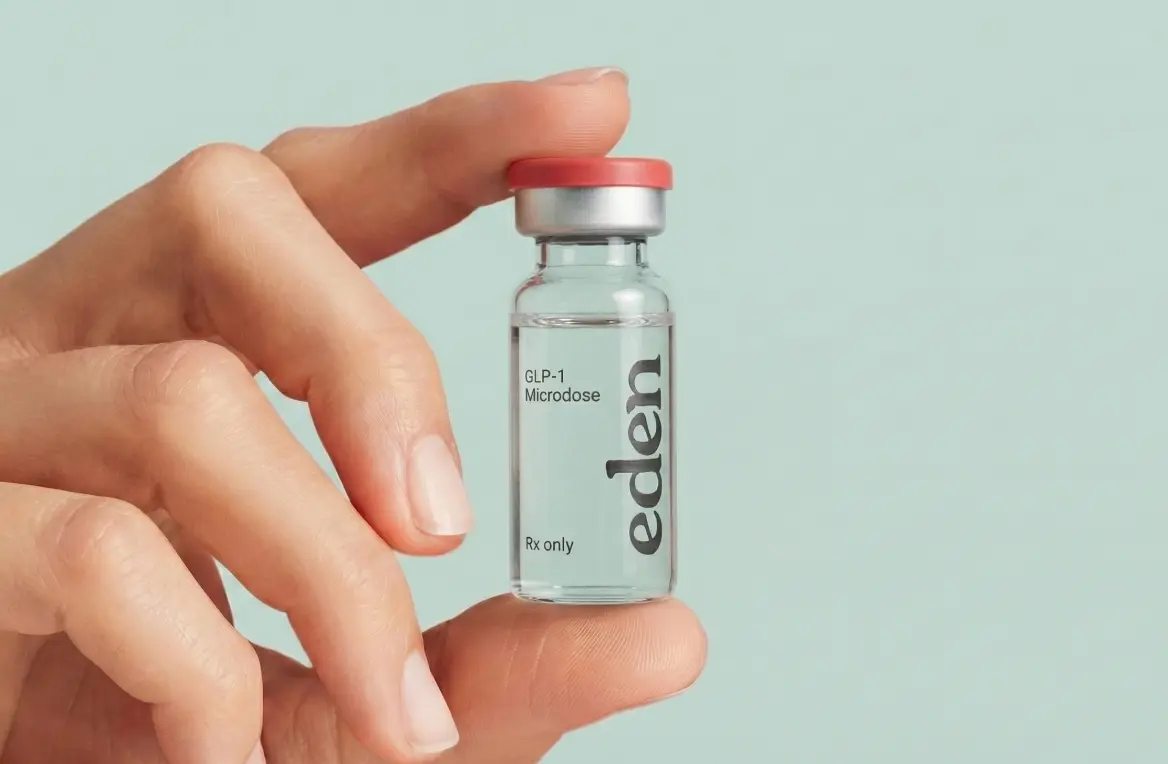
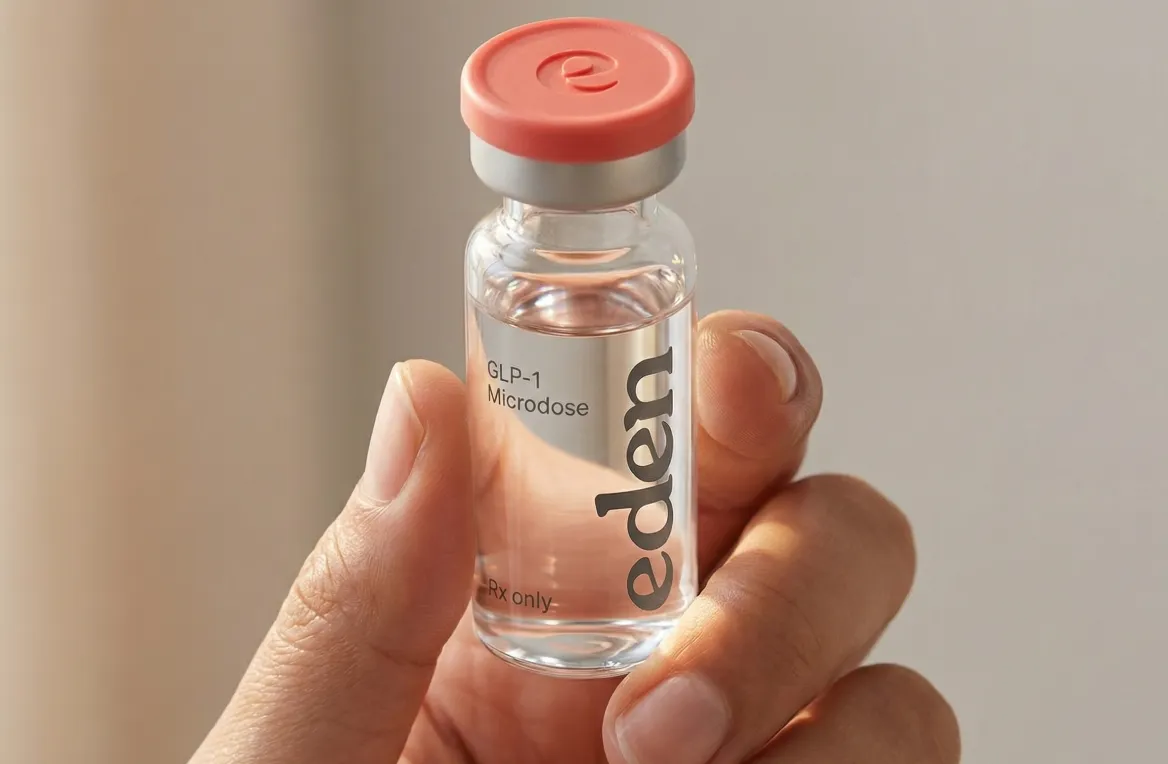
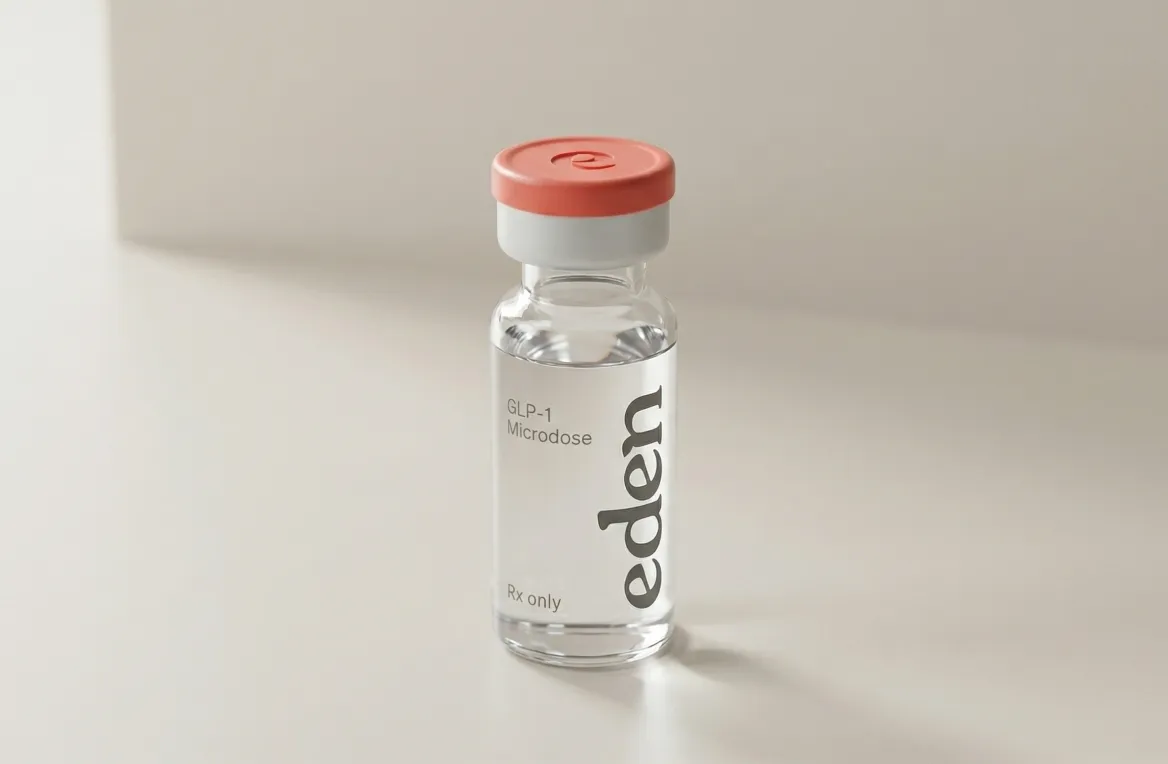
Microdosing GLP-1 generally refers to starting at doses lower than standard dosing approaches under the supervision of a licensed healthcare provider. For semaglutide, that could mean starting at 0.05-0.1 mg weekly, compared with the standard 0.25 mg starting dose.
So, why microdose? Essentially, some providers may consider lower starting doses to support tolerability, among other reasons, during early treatment, though individual experiences may vary.
In general, starting at a lower dose may be associated with different tolerability experiences, including side effects such as nausea and reflux. For individuals managing menopause-related weight gain, a provider may also consider a more gradual titration approach depending on your individual clinical factors during this transition.
On top of the above, cost considerations may be relevant for some individuals; however, treatment decisions should be based on clinical appropriateness as determined by a licensed provider.
At the same time, it’s worth noting that microdosing often involves compounded versions of GLP-1 medications. Compounded medications are prepared by licensed pharmacies but are not FDA-approved for safety, efficacy, or quality. And the use of compounded medications should be based on a prescriber’s determination that a compounded formulation provides a clinically significant difference for a specific patient. Overall, clinical evidence for microdosing approaches is limited.
{{primary-cta}}
Potential Benefits of Microdosing GLP-1
Clinical trials have not specifically evaluated GLP-1 microdosing at sub-standard doses, and off-label lower-dose approaches have not been validated in randomized controlled trials. The factors below are based on research with standard-dose GLP-1 and should not be interpreted as direct evidence of microdosing efficacy.
Overall, any potential benefits depend on individual clinical factors and should be discussed with a licensed healthcare provider. With that context in mind, here are some of the reasons a provider may consider a lower starting dose for certain individuals.
May Improve Tolerability During Early Treatment
Research on gradual titration of semaglutide indicates that slower dose escalation may be associated with fewer gastrointestinal side effects, including nausea, vomiting, and diarrhea, and better treatment adherence compared with label-speed escalation. However, individual responses may vary.
Appetite and Satiety Support
GLP-1 receptor agonists work in part by slowing gastric emptying and enhancing satiety signals, which may support earlier feelings of fullness and reduced energy intake. Yet, the extent of their effects at lower doses has not been well studied.
Weight Management Considerations During Menopause
Postmenopausal and perimenopausal individuals often experience changes in body composition, including increased central adiposity. Standard-dose GLP-1 research suggests these medications may support reductions in weight when paired with changes in diet and activity.
Some research also indicates it may support cardiovascular health, which can be a concern post-menopause.
For individuals at this life stage, a provider may consider a more gradual titration approach based on individual clinical factors. But research on GLP-1 microdosing in menopausal populations is limited.
Potential Relevance for Individuals With PCOS
In women with PCOS and overweight or obesity, standard-dose GLP-1 receptor agonists have been studied for their potential effects on weight, insulin resistance, and hormonal markers, including androgen levels and menstrual regularity.
Ultimately, a provider familiar with your health history can determine whether GLP-1 therapy is appropriate for your situation and, if so, at what dose.
How to Microdose GLP-1: Typical Starting Approaches
Unlike standard FDA-approved titration schedules, microdosing is highly individualized. A licensed healthcare provider will factor in your weight, metabolic health, gastrointestinal history, tolerance, and goals.
Generally speaking, semaglutide microdosing starts at a lower dose than the approved 0.25 mg dose and increases slowly over several weeks.
Yet, why does dosing vary so much from person to person? This is because each person’s body responds differently. Some people tolerate increases quickly; others need to hold at a lower dose for several weeks before moving up.
Additionally, various factors, such as kidney function, existing GI conditions, and sensitivity to appetite changes, may affect how quickly a dose is increased. And this is why working with a licensed provider is so important; they can create a GLP-1 microdosing schedule appropriate for you.
Is Physician Guidance Required for GLP-1 Microdosing?
In short, yes. Before starting, a qualified provider should conduct a full evaluation that includes a physical exam, weight and blood pressure measurements, a review of your medication list, and baseline lab work. This may mean checking A1c or fasting glucose, kidney and liver function, thyroid levels, and a lipid panel.
This helps your provider determine whether GLP-1 therapy is appropriate for you and establishes a starting point for monitoring progress. From there, ongoing check-ins allow your provider to adjust your dose based on real data.
If you’re not sure where to start, Eden can help. After a brief online intake, Eden coordinates care by connecting individuals to a licensed healthcare provider who evaluates clinical needs and determines whether treatment may be appropriate.
GLP-1 Microdosing Schedule and Chart: What to Expect
A GLP-1 microdosing chart acts as a simple reference point. The progressions below reflect general patterns, but, if applicable, your specific provider will tailor the timeline and doses to your individual tolerance and goals.
It’s important to note that no clinical trials have evaluated GLP-1 microdosing at these dose ranges. The progressions below reflect provider-reported protocols and are not based on peer-reviewed research.
Sample Semaglutide Microdosing Progression
A typical provider-directed dosing approach involving compounded semaglutide (if prescribed) might begin at 0.05 mg weekly for the first one to two weeks, focusing on tolerance and hydration. From there, a provider may increase to 0.1 mg if the medication is well tolerated, then to 0.15 to 0.2 mg over the following weeks. Increases generally happen every four weeks.
How to Track Your Progress
If you’ve been prescribed GLP-1 medication, keeping a simple medication diary can help track any side effects and progress. Log your injection dates, doses, any side effects, and weekly weight at the same time each week.
Eden also offers an injection tracker feature designed to help individuals log doses, injection dates, and notes over time. This tool can support more consistent recordkeeping and may make it easier to share information with your licensed healthcare provider during follow-ups. As with any tracking tool, it should be used alongside guidance from your provider, who can help interpret your progress and determine whether any adjustments are appropriate.
Tracking hunger levels, hydration, and GI symptoms may also help you and your provider spot patterns and make informed decisions about when to adjust.
{{primary-cta}}
Injection Technique Basics for Microdosing GLP-1
If you’re prescribed compounded GLP-1 medication, the following general injection tips may help you feel more prepared before your first dose and more confident throughout the process. Your provider and pharmacist are always the best resource for specific guidance. With that in mind, here are some general things to know:
- Compounded GLP-1 vials show concentration in mg/mL; your provider will walk you through how to calculate the correct amount to draw based on your prescribed dose.
- Clean the vial top with an alcohol swab before drawing medication each time.
- Injections are typically given subcutaneously (just under the skin) in the abdomen, upper thigh, or upper arm.
- Rotating injection sites from week to week helps prevent irritation or buildup at any one spot.
- The needle is generally inserted at a 90-degree angle, with the plunger pushed slowly and held briefly before withdrawing.
- Used syringes should be disposed of in a sharps container right away.
When in doubt about technique or measurement, reach out to your provider or compounding pharmacist before injecting. They can offer support regarding your specific situation and medication.
What to Expect When Microdosing GLP-1
Since titration (gradually increasing the dose) is slower with microdosing, the overall timeline often looks different than standard protocols. Here are some general things people may experience, though individual results vary:
- Results (if any) may take longer to appear compared to standard dosing, as reaching a therapeutic dose is a much more gradual process.
- Some individuals report appetite changes in the early weeks, though responses vary from person to person.
- Mild GI symptoms, such as nausea or bloating, may still arise during the adjustment period and often ease over time.
- Energy levels and digestion patterns may shift as your body adapts to the medication.
If you experience severe abdominal pain, persistent vomiting, or signs of dehydration at any point, contact your provider as soon as you can; these go beyond typical adjustment symptoms and should be evaluated by a qualified healthcare professional.
Final Thoughts
Microdosing GLP-1 isn’t right for everyone. This decision should be made by a licensed healthcare provider, who may determine that a lower starting dose is appropriate for certain individuals. At the end of the day, a qualified healthcare provider is your most valuable resource for determining what’s best for you, your health, and your goals.









The FDA does not approve compounded medications for safety, quality, or manufacturing. Prescriptions and a medical evaluation are required for certain products. The information provided on this blog is for general informational purposes only. It is not intended as a substitute for professional advice from a qualified healthcare professional and should not be relied upon as personal health advice. The information contained in this blog is not meant to diagnose, treat, cure, or prevent any disease. Readers are advised to consult with a qualified healthcare professional for any medical concerns, including side effects. Use of this blog's information is at your own risk. The blog owner is not responsible for any adverse effects or consequences resulting from the use of any suggestions or information provided in this blog.
Eden is not a medical provider. Eden connects individuals with independent licensed healthcare providers who independently evaluate each patient to determine whether a prescription treatment program is appropriate. All prescriptions are written at the sole discretion of the licensed provider. Medications are filled by state-licensed pharmacies. Please consult a licensed healthcare provider before making any medical decisions.
Related articles




Eldor, R., Avraham, N., Rosenberg, O., Shpigelman, M., Golan-Cohen, A., Cukierman-Yaffe, T., Merzon, E., & Buch, A. (2025). Gradual Titration of Semaglutide Results in Better Treatment Adherence and Fewer Adverse Events: A Randomized Controlled Open-Label Pilot Study Examining a 16-Week Flexible Titration Regimen Versus Label-Recommended 8-Week Semaglutide Titration Regimen. Diabetes care, 48(9), 1607–1611. https://pubmed.ncbi.nlm.nih.gov/40673973/
Gabe, M. B. N., Breitschaft, A., Knop, F. K., Hansen, M. R., Kirkeby, K., Rathor, N., & Adrian, C. L. (2024). Effect of oral semaglutide on energy intake, appetite, control of eating and gastric emptying in adults living with obesity: A randomized controlled trial. Diabetes, obesity & metabolism, 26(10), 4480–4489. https://pubmed.ncbi.nlm.nih.gov/39082206/
Graczyk, N. A., & Bisschops, J. (2026). Glucagon-Like Peptide-1 Receptor Agonists (GLP-1RAs) for Obesity and Symptoms in Menopause: A Review. Cureus, 18(1), e101693. https://pubmed.ncbi.nlm.nih.gov/41704988/
Jalleh, R. J., Plummer, M. P., Marathe, C. S., Umapathysivam, M. M., Quast, D. R., Rayner, C. K., Jones, K. L., Wu, T., Horowitz, M., & Nauck, M. A. (2024). Clinical Consequences of Delayed Gastric Emptying With GLP-1 Receptor Agonists and Tirzepatide. The Journal of clinical endocrinology and metabolism, 110(1), 1–15. https://pubmed.ncbi.nlm.nih.gov/39418085/
Jastreboff, A. M., Aronne, L. J., Ahmad, N. N., Wharton, S., Connery, L., Alves, B., Kiyosue, A., Zhang, S., Liu, B., Bunck, M. C., & Stefanski, A. (2022). Tirzepatide once weekly for the treatment of obesity. New England Journal of Medicine, 387(3), 205–216. https://www.nejm.org/doi/full/10.1056/NEJMoa2206038
Miranda S, Choudhari J, Chauhan N, Parmar MS. Impact of semaglutide on lipid profiles in overweight and obese non-diabetic adults: A systematic review and meta-analysis of randomized controlled trials. Eur J Pharmacol. 2025 Sep 15;1003:177953. doi: 10.1016/j.ejphar.2025.177953. Epub 2025 Jul 16. PMID: 40675357. https://pubmed.ncbi.nlm.nih.gov/40675357/
Zhou, L., Qu, H., Yang, L., & Shou, L. (2023). Effects of GLP1RAs on pregnancy rate and menstrual cyclicity in women with polycystic ovary syndrome: a meta-analysis and systematic review. BMC endocrine disorders, 23(1), 245. https://pubmed.ncbi.nlm.nih.gov/37940910/
Thank you!
We'll be in touch.
Thank you!