Can Microdosing GLP‑1 Reduce Side Effects?


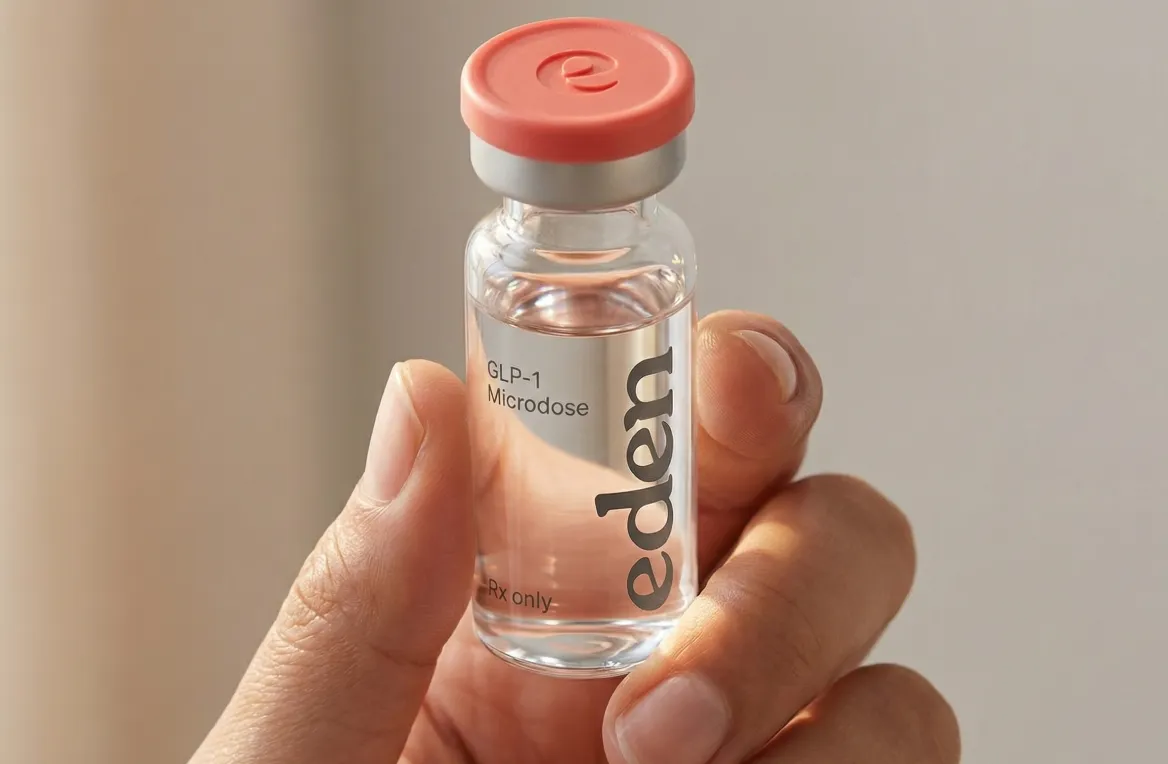

Worried about GLP-1 side effects like nausea or fatigue? Learn whether microdosing could help, plus tips to manage symptoms safely.
- Nausea, gastrointestinal discomfort, and fatigue are the most common GLP-1 side effects, and they’re driving much of the interest in GLP-1 microdosing.
- These side effects happen because GLP-1s slow gastric emptying and change appetite signaling in the brain.
- Standard titration schedules are already designed to minimize side effects by starting at a low dose and increasing gradually.
- GLP-1 microdosing, starting below the standard dose or titrating more slowly, is an emerging conversation, but clinical evidence is still limited.
- Practical steps, including adjusting meal size, staying hydrated, and timing meals around your dose, may help you feel better during the first few weeks of treatment.
- Any dose changes should always be made with a licensed healthcare provider.
This article is for informational purposes only and is not intended as medical advice. Consult a licensed healthcare provider before starting, stopping, or adjusting any medication. Compounded medications, including compounded semaglutide, are not FDA-approved and may be prescribed only when a licensed provider determines a clinically significant difference for an identified patient.
When you start a medication, you expect it to help—not hand you ten new problems. But GLP-1 side effects such as nausea, GI discomfort, and fatigue may make the early weeks of treatment tougher than expected. In fact, they’re one of the most common reasons people stop taking their medication.
Recently, however, the idea of GLP-1 microdosing has gained traction as a potential way to ease into treatment with fewer symptoms. But how much of that is backed by evidence? And how much is speculation?
This article takes a closer look at why GLP-1 side effects happen, what microdosing actually means, and what you can do right now to feel better on your medication.
Why Do GLP-1s Cause Side Effects?
GLP-1 medications mimic your body’s natural GLP-1 hormone, which your body produces after eating. This hormone plays a role in blood sugar regulation, appetite control, and digestion. Yet, when you take a GLP-1 medication, two things happen that may contribute to side effects.
First, the medication slows gastric emptying, meaning food stays in your stomach longer than it normally would. This is part of what helps you feel full, but it can also lead to nausea, bloating, and general stomach discomfort, especially if you eat too much or too quickly.
Second, GLP-1s act on brain receptors that regulate hunger and satiety. While this helps with appetite changes, it can also trigger nausea via central nervous system pathways, particularly in the early weeks of treatment.
Semaglutide side effects, such as nausea, vomiting, and bloating, are among the most frequently reported, and tirzepatide side effects follow a similar pattern, though individual experiences may vary. Diarrhea, constipation, and fatigue are also common. These tend to be most noticeable when you first start the medication and again after each dose increase.
However, typical titration schedules start with a lower dose and gradually increase the medication dose over several weeks. In turn, this gives your body time to adjust. Yet, any dosage changes should always be done under the guidance and supervision of a licensed healthcare provider.
What Is GLP-1 Microdosing?
GLP-1 microdosing refers to taking a dose that’s lower than the standard starting amount or increasing doses more slowly than the approved titration schedule. For context, the typical starting dose of semaglutide is 0.25 mg weekly. A microdosing approach might begin even lower, with increases spaced further apart than what the standard protocol calls for.
So, where did microdosing come from?
The concept has gained popularity largely through patient discussions on social media and, in some cases, through providers who are adjusting treatment plans on an individual basis. Individuals and providers are drawn to the idea for a few reasons, including:
- The hope of fewer side effects
- The desire to reduce medication costs
- Or simply a preference for a more gradual introduction.
At the same time, microdosing is not an FDA-recognized dosing approach, and the term itself doesn’t have a standardized clinical definition. Your healthcare provider may ultimately adjust your titration schedule based on your response.
Can Microdosing Help With GLP-1 Side Effects?
The evidence is still evolving, but here’s what we know so far.
A randomized, placebo-controlled clinical trial is currently underway testing microdosed semaglutide in healthy adults over approximately six months. Results are still pending.
A 2025 letter in Diabetes Care argues that microdosing via multidose pens can help patients who struggle with gastrointestinal side effects by allowing smaller, incremental dose adjustments, though the authors emphasize this is a pragmatic, clinician-directed strategy.
Overall, the titration schedules that come with FDA-approved GLP-1 medications were developed through extensive research involving thousands of participants, and they exist for both safety and efficacy reasons. Microdosing continues to be studied as a potential avenue to help with side effects and tolerance issues.
With that said, some healthcare providers may prescribe lower doses for patients who are particularly sensitive to gastrointestinal effects or who have struggled to stay on treatment at standard doses. Anecdotally, patients in these situations report fewer disruptions and a smoother adjustment period.
However, there are some risks associated with adjusting doses on your own or using compounded formulations, including inconsistent dosing accuracy and a lack of quality oversight. This is why it’s important to follow a licensed provider’s guidance when using any GLP-1 therapy, including compounded options.
Practical Ways to Manage GLP-1 Side Effects
Whether or not you and your provider decide to adjust your dosing schedule, there are several potential strategies that may help minimize or reduce GLP-1 side effects.
Adjust What and How You Eat
Smaller, more frequent meals tend to be much easier on your stomach than large portions, especially during the first few weeks of treatment or after a dose increase.
Emphasize bland, low-fat, easy-to-digest foods during any adjustment windows. Eating slowly and stopping as soon as you feel satisfied (not full) may also help prevent the nausea and bloating that come from overloading a slower-moving digestive system.
On top of the above, greasy, spicy, and heavily processed foods are common triggers that may be worthwhile to avoid for now.
Stay Hydrated
Reduced appetite often means people drink less without realizing it, and dehydration may make any side effects worse. Without enough fluids, nausea, fatigue, constipation, and headaches may be more likely to arise or become worse.
The easy fix? Sip water consistently throughout the day. If plain water isn’t appealing, ginger tea, broth, or an electrolyte drink can help, especially on days when your appetite is particularly low.
Time Your Meals Around Your Dose
Some individuals find that being mindful about what they eat on injection day makes a noticeable difference. If you decide to try this, avoid heavy or rich meals on the day you take your dose, and be cautious the following day as well.
When Side Effects Are Normal vs. When to Seek Help
Some degree of nausea, bloating, or fatigue is expected in the early stages of treatment and usually improves within a few weeks.
However, certain symptoms warrant prompt medical attention. If you experience persistent vomiting, severe abdominal pain, an inability to keep fluids down, or symptoms that continue to worsen, contact your healthcare provider. These could signal something beyond typical adjustment effects.
Who Might Benefit From a Dose Adjustment Conversation?
Not everyone will need to adjust their dosing approach, but certain situations make it worth bringing up with your provider. If you’ve followed a standard titration schedule and continue to experience side effects that interfere with daily life, a slower increase or a temporary hold at your current dose might help. The same goes for people who previously stopped GLP-1 therapy because of side effects and are considering trying again.
If you tend to be sensitive to medications in general, share this with your provider beforehand. They can then factor this in when determining the best dosage protocols.
The reassuring news is that for most people, GLP-1 side effects are temporary. They tend to peak in the first few weeks and improve as the body adapts, often within four to eight weeks.
With Eden, we coordinate your care by connecting you with a qualified healthcare provider. It all starts with a quick online intake. Afterward, you’ll be connected with a licensed physician who will evaluate your information and determine whether treatment options, including GLP-1 therapies, are appropriate. If prescribed, medications are dispensed by licensed pharmacies.









The FDA does not approve compounded medications for safety, quality, or manufacturing. Prescriptions and a medical evaluation are required for certain products. The information provided on this blog is for general informational purposes only. It is not intended as a substitute for professional advice from a qualified healthcare professional and should not be relied upon as personal health advice. The information contained in this blog is not meant to diagnose, treat, cure, or prevent any disease. Readers are advised to consult with a qualified healthcare professional for any medical concerns, including side effects. Use of this blog's information is at your own risk. The blog owner is not responsible for any adverse effects or consequences resulting from the use of any suggestions or information provided in this blog.
Eden is not a medical provider. Eden connects individuals with independent licensed healthcare providers who independently evaluate each patient to determine whether a prescription treatment program is appropriate. All prescriptions are written at the sole discretion of the licensed provider. Medications are filled by state-licensed pharmacies. Please consult a licensed healthcare provider before making any medical decisions.
Frequently asked questions
How long do GLP-1 side effects last?

Most GLP-1 side effects improve within four to eight weeks as your body adjusts to the medication. Side effects may briefly return after dose increases but typically become milder with each adjustment.
Do GLP-1 side effects go away?
For most people, yes. Gastrointestinal symptoms, such as nausea and bloating, are usually temporary and tend to resolve as treatment continues, especially once a stable dose is reached.
Can I lower my GLP-1 dose to reduce side effects?
You should never adjust your dose on your own. However, your provider may be able to slow your titration schedule or hold your current dose longer based on how you’re responding to treatment.
Related articles





ClinicalTrials.gov. (n.d.). https://clinicaltrials.gov/study/NCT07092605
Collins, L., & Costello, R. A. (2024f, February 29). Glucagon-Like Peptide-1 Receptor Agonists. StatPearls - NCBI Bookshelf. https://www.ncbi.nlm.nih.gov/books/NBK551568/
Komé, A. M., Chandran, M. M., Lopez, S. S. T., Buse, J. B., & Klein, K. R. (2025). One size does not fit all: Understanding microdosing semaglutide for diabetes in multidose pens. Diabetes Care. https://doi.org/10.2337/dc24-2575
Ozempic® Dosing Information | Ozempic® (semaglutide) injection. (n.d.-b). https://www.ozempic.com/how-to-take/ozempic-dosing.html
Sikirica, M. V., Martin, A. A., Wood, R., Leith, A., Piercy, J., & Higgins, V. (2017). Reasons for discontinuation of GLP1 receptor agonists: data from a real-world cross-sectional survey of physicians and their patients with type 2 diabetes. Diabetes, metabolic syndrome and obesity: targets and therapy, 10, 403–412. https://pmc.ncbi.nlm.nih.gov/articles/PMC5630073/
Thank you!
We'll be in touch.
Thank you!