GLP‑1 Microdosing vs Standard Dosing: What’s the Difference?


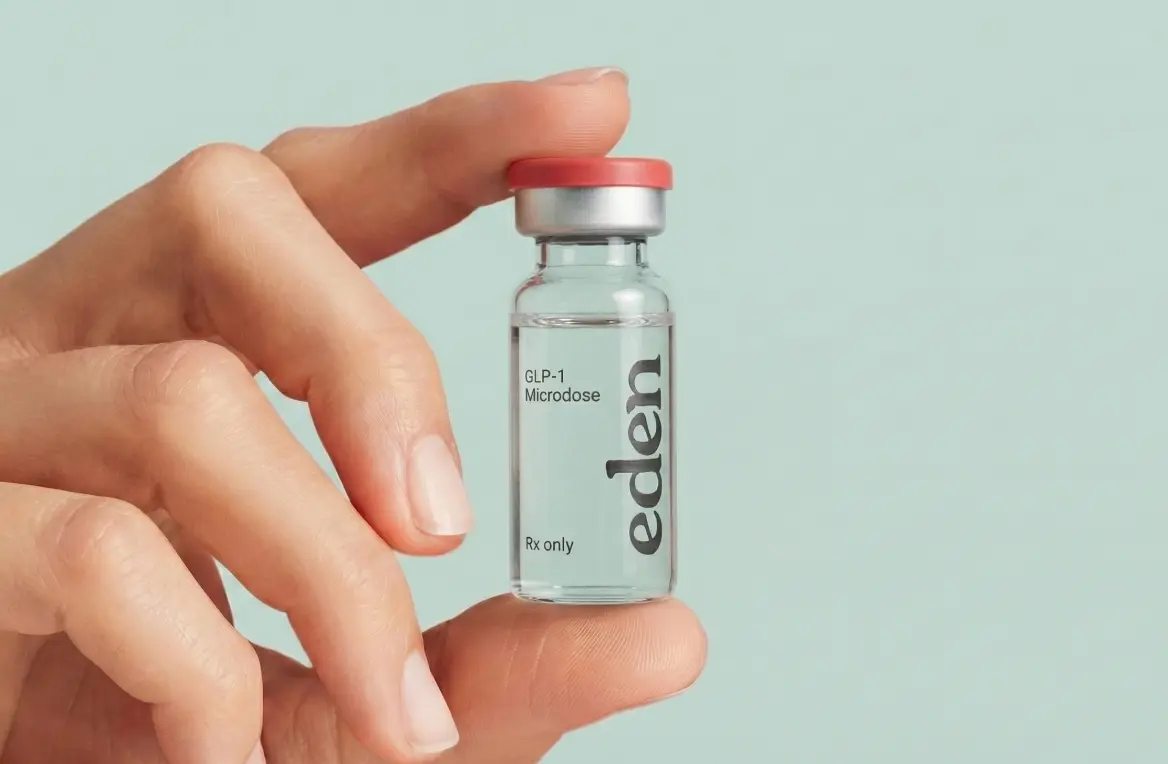

Wondering about GLP-1 dosing approaches? Learn how standard titration and microdosing compare and why a licensed provider should guide your dosing plan.
- Standard GLP-1 dosing titration schedules (such as semaglutide starting at 0.25 mg and tirzepatide at 2.5 mg) are based on clinical trial data and FDA-approved labeling. GLP-1 microdosing works differently.
- “Microdosing” in the GLP-1 context typically means starting below the labeled dose or extending titration intervals; it’s not a formally defined clinical protocol.
- A more gradual approach may reduce GI side effects but may also delay the onset of meaningful weight loss.
- Neither approach is universally better; the right dosing strategy depends on your health history, tolerability, and goals.
- Any deviation from a standard dosing schedule should be made in consultation with a licensed provider.
- Compounded GLP-1 therapies may be prescribed by a licensed provider when a clinically significant difference is identified for an individual patient.
This article is for informational purposes only and does not constitute medical advice. Always consult a qualified healthcare provider before starting or adjusting any medication. Compounded GLP-1 therapies are prepared only when a licensed prescriber determines a clinically significant difference for an identified patient. These medications are not reviewed or approved by the FDA for safety, efficacy, or quality.
Maybe you’ve already spent some time researching GLP-1 medications; if so, you’ve probably come across the term “microdosing”—maybe in a Reddit thread, a TikTok comment, or a conversation with a friend who’s already using it. But is starting with a smaller dose actually a smarter move? Or are you just delaying your results?
This article explores what standard GLP-1 dosing looks like, what microdosing means in this context, how the two approaches compare on several key factors, and why your provider (not the internet) should ultimately guide that decision.
What Is Standard GLP-1 Dosing?
FDA-approved GLP-1 medications, including semaglutide (Ozempic®, Wegovy®) and tirzepatide (Mounjaro®, Zepbound®), follow a titration schedule. Titration is the process of gradually increasing your dose over several weeks or months so your body can adjust to the medication.
For semaglutide prescribed for weight management (Wegovy®), the typical starting dose is 0.25 mg once weekly. This dose then typically increases in stages, usually to 0.5 mg, then 1.0 mg, then 1.7 mg, until reaching a maintenance dose of 2.4 mg weekly around week 17. For Ozempic®, which is FDA-approved for type 2 diabetes, the dosing schedule starts at 0.25 mg and escalates, with options to increase to 0.5 mg at week five, then 1.0 mg, and potentially up to 2.0 mg.
Tirzepatide (Mounjaro®/Zepbound®) follows a similar principle. The starting dose is 2.5 mg weekly, increasing by 2.5 mg increments every four weeks, with a maximum dose of 15 mg weekly.
These schedules are ultimately built on clinical trial data. And they exist because GLP-1 medications work in part by slowing gastric emptying, which is the rate at which food moves through your stomach. Introducing this effect gradually may help reduce the gastrointestinal side effects (such as nausea, vomiting, and diarrhea) that are most common when a dose is first increased.
Why Does Dose Escalation Matter?
GLP-1 receptors are found throughout the body, including in the gut, brain, and pancreas. The medication’s effects on appetite signaling and digestion are dose-dependent, meaning they become more pronounced as the dose goes up. This is also why nausea tends to spike during the early weeks of treatment or right after a dose increase.
However, it’s worth keeping in mind that the starting dose is not a therapeutic dose for weight loss.
A dose of 0.25 mg of semaglutide, for example, isn’t meant to produce significant results on its own. It’s a tolerability dose, a way to let your system acclimate before moving into the range where the medication’s weight management effects may become more noticeable. In other words, starting low isn’t less effective in the bigger picture.
What Does “GLP-1 Microdosing” Actually Mean?
“Microdosing” is not an FDA-recognized term or a formally defined clinical protocol when it comes to GLP-1 medications. You won’t find it in prescribing information or clinical guidelines.
In practice, when people talk about microdosing GLP-1s, they’re usually referring to one of two things. The first is starting at a dose lower than the labeled starting amount; for example, this may mean taking a semaglutide microdose of 0.125 mg instead of the standard 0.25 mg. The second is extending the interval between dose escalations beyond the recommended schedule, such as staying at 0.25 mg for eight weeks instead of four before increasing the dose.
This approach has gained popularity in online communities, particularly among people who are sensitive to GI side effects or who want to ease into treatment as gradually as possible. And to be clear, wanting to minimize discomfort is completely reasonable.
But microdosing isn’t something to try on your own. It’s a clinical consideration that requires oversight by providers. A licensed provider can evaluate whether a modified approach makes sense for your specific situation and can also monitor your progress to ensure you’re still moving toward a dose that’s actually therapeutic.
Additionally, compounded semaglutide and tirzepatide may be prescribed in patient-specific formulations when a licensed provider, such as those that Eden connects you with, determines a clinically significant difference is necessary. Yet it comes down to your provider’s discretion regarding how this works for you or what’s recommended.
Is Microdosing the Same as “Going Slow”?
Microdosing and “going slow” aren’t exactly the same thing, though the terms get used interchangeably online.
A slower titration means you’re still taking a labeled dose. You’re just staying at that dose longer than the standard schedule suggests before moving up. For instance, a provider might recommend remaining at 0.25 mg of semaglutide for eight weeks instead of four. The dose itself is within the FDA-approved range; the timeline is just stretched.
A true microdose involves taking an amount below the labeled starting dose, such as 0.1 mg or 0.125 mg of semaglutide. Branded pens, however, don’t accommodate this kind of adjustment because they’re manufactured in fixed dosing increments.
Comparing the Two Approaches
This section offers guidance on preparing for a conversation with your provider; no decision regarding your prescribed medication or dosage should be made on your own.
Speed of Results
With standard dosing, your dose increases on a set schedule, which means you reach the range where the medication may start producing noticeable changes sooner.
For context, participants in the STEP 1 clinical trial taking 2.4 mg of semaglutide lost an average of 14.9% of their body weight over 68 weeks. In the SURMOUNT-1 trial, those on 15 mg of tirzepatide lost an average of 20.9% over 72 weeks.
If you’re following a slower titration or microdosing approach, you’re spending more time at doses that may not yet be in that therapeutic range, so it could take longer to see progress. This doesn’t mean it won’t work, but it may take longer. At the same time, results aren’t guaranteed and vary from individual to individual.
Either way, GLP-1 medications tend to work best when paired with dietary changes and regular physical activity, which ultimately doesn’t change regardless of the dosing structure.
Side Effect Profile
Gastrointestinal (GI) side effects, including nausea, vomiting, diarrhea, and constipation, are the most frequently reported issues with GLP-1 medications and are one of the top reasons people discontinue treatment. In clinical trials, nausea affected roughly 44% of people taking Wegovy® and up to 30-40% of tirzepatide users at higher doses.
These effects tend to be most noticeable during GLP-1 dose escalations. A slower ramp-up gives your body more time to adjust, which may make side effects more manageable day-to-day.
However, microdosing below the labeled starting dose has not been studied in large clinical trials specifically for this purpose. The evidence supporting it comes mostly from clinical observation and patient-reported experiences, which provide useful context but are not the same as controlled trial data.
Cost Considerations
GLP-1 medication costs may be dose-dependent, especially with compounded versions where pricing may reflect the amount of active ingredient per vial. Someone using a lower dose over a longer period might spend less per month initially. But if the slower titration extends the overall treatment timeline, the total cost could end up in a similar range.
For branded medications such as Wegovy® or Zepbound®, the pricing structure differs. You pay for the pen regardless of whether you use the full dose or not, which doesn’t leave much room for cost savings through dose adjustments.
Cost structures vary by program and pharmacy. Treatment decisions, including dosing, should be guided by a licensed provider based on clinical considerations.
Who May Be a Better Candidate for Each Approach
Standard titration may be a fit for those who tolerate the GI side effects reasonably well, want to reach therapeutic doses efficiently, and are following a structured program with regular provider check-ins.
A more conservative approach may be worth discussing with a provider if you have a history of GI sensitivity or conditions like IBS, have previously stopped GLP-1 therapy because of side effects, are an older adult (who may be more sensitive to GI effects), or are starting treatment at a lower BMI where the full therapeutic dose may not be necessary.
Yet, keep in mind that these aren’t criteria you should use to self-select an approach. Any direction of your treatment should be determined with a licensed healthcare provider.
What the Research Actually Supports
The clinical trials that led to FDA approval of semaglutide and tirzepatide used the standard titration schedules. That means the efficacy data, such as any body weight changes cited, are based on those protocols, not on microdosing approaches.
There is limited peer-reviewed evidence specifically studying GLP-1 microdosing for weight management. Some providers and researchers have explored extended titration as a tolerability strategy, but this hasn’t been formalized into clinical guidelines.
That doesn’t mean microdosing is unsafe or ineffective. It means it’s an individualized clinical decision that falls outside what published trial data can definitively confirm. And this is exactly why it belongs in a supervised care relationship involving a licensed provider.
When a Provider Might Adjust Your Dosing Strategy
Dosing isn’t one-size-fits-all, and a good provider knows this. However, there are several scenarios in which a licensed clinician might recommend a different titration timeline.
For example, someone who experienced significant nausea during a previous round of GLP-1 treatment might benefit from a slower ramp-up the second time around. A patient with a history of gastroparesis or other GI motility issues may require extra caution when increasing doses. Someone managing other medications that affect digestive function may require a more tailored schedule.
These decisions come from a full health history review and should be determined by a qualified healthcare professional.
Eden is built around this: our team connects you with licensed providers, and the entire process starts with a quick online intake, followed by a review by a licensed healthcare provider who considers your health history, goals, and lifestyle to determine which approach makes sense for you.
At the end of the day, the best dosing strategy is the one that’s appropriate for your body, your history, and your goals. And this all starts with a conversation with a licensed provider who can take the full picture into account and who understands your specific health needs.









The FDA does not approve compounded medications for safety, quality, or manufacturing. Prescriptions and a medical evaluation are required for certain products. The information provided on this blog is for general informational purposes only. It is not intended as a substitute for professional advice from a qualified healthcare professional and should not be relied upon as personal health advice. The information contained in this blog is not meant to diagnose, treat, cure, or prevent any disease. Readers are advised to consult with a qualified healthcare professional for any medical concerns, including side effects. Use of this blog's information is at your own risk. The blog owner is not responsible for any adverse effects or consequences resulting from the use of any suggestions or information provided in this blog.
Eden is not a medical provider. Eden connects individuals with independent licensed healthcare providers who independently evaluate each patient to determine whether a prescription treatment program is appropriate. All prescriptions are written at the sole discretion of the licensed provider. Medications are filled by state-licensed pharmacies. Please consult a licensed healthcare provider before making any medical decisions.
Frequently asked questions
What is GLP-1 microdosing?

GLP-1 microdosing refers to starting at a dose below the labeled amount or extending the time between dose increases beyond the standard schedule. It’s not a formally recognized clinical protocol and should be used only under provider supervision.
Can I microdose GLP-1 medication on my own?
No, any changes to your dosing schedule should be made in consultation with a licensed healthcare provider. Self-adjusting your dose without medical guidance can impact both the safety and effectiveness of your treatment.
What’s the difference between microdosing and slow titration?
Slow titration means staying at a labeled dose for longer before increasing it, while microdosing involves taking a dose below the labeled starting amount. Both are more conservative approaches, but they differ in how they’re administered.
What are the potential benefits of a low-dose GLP-1 approach?
A low-dose GLP-1 approach may help reduce common side effects, such as nausea and digestive discomfort, especially for people who are sensitive to GI changes. However, lower doses may also delay results, so any adjusted approach should be guided by a licensed provider.
How is a GLP-1 weight loss dosage determined?
Your GLP-1 weight loss dosage is based on your health history, how your body responds during titration, and your individual goals. A licensed provider will typically start you at a low dose and gradually increase it over time to find the level that balances effectiveness with tolerability.
Related articles





Cabou, C., & Burcelin, R. (2011). GLP-1, the gut-brain, and brain-periphery axes. The review of diabetic studies : RDS, 8(3), 418–431. https://pmc.ncbi.nlm.nih.gov/articles/PMC3280675/
Gorgojo-Martínez, J. J., Mezquita-Raya, P., Carretero-Gómez, J., Castro, A., Cebrián-Cuenca, A., de Torres-Sánchez, A., García-de-Lucas, M. D., Núñez, J., Obaya, J. C., Soler, M. J., Górriz, J. L., & Rubio-Herrera, M. Á. (2022). Clinical Recommendations to Manage Gastrointestinal Adverse Events in Patients Treated with Glp-1 Receptor Agonists: A Multidisciplinary Expert Consensus. Journal of clinical medicine, 12(1), 145. https://pmc.ncbi.nlm.nih.gov/articles/PMC9821052/
Jastreboff, A. M., Aronne, L. J., Ahmad, N. N., Wharton, S., Connery, L., Alves, B., Kiyosue, A., Zhang, S., Liu, B., Bunck, M. C., Stefanski, A., & SURMOUNT-1 Investigators (2022). Tirzepatide Once Weekly for the Treatment of Obesity. The New England journal of medicine, 387(3), 205–216. https://pubmed.ncbi.nlm.nih.gov/35658024/
MOUNJARO. (2022). Highlights of prescribing information. https://www.accessdata.fda.gov/drugsatfda_docs/label/2022/215866s000lbl.pdf
OZEMPIC. (2023). Highlights of prescribing information. https://www.accessdata.fda.gov/drugsatfda_docs/label/2023/209637s020s021lbl.pdf
WEGOVY. (2017). WEGOVY (semaglutide) injection, for subcutaneous use. https://www.accessdata.fda.gov/drugsatfda_docs/label/2023/215256s007lbl.pdf
Wilding, J. P. H., Batterham, R. L., Calanna, S., Davies, M., Van Gaal, L. F., Lingvay, I., McGowan, B. M., Rosenstock, J., Tran, M. T. D., Wadden, T. A., Wharton, S., Yokote, K., Zeuthen, N., Kushner, R. F., & STEP 1 Study Group (2021). Once-Weekly Semaglutide in Adults with Overweight or Obesity. The New England journal of medicine, 384(11), 989–1002. https://pubmed.ncbi.nlm.nih.gov/33567185/
ZEPBOUND. (2022). Highlights of prescribing information. https://www.accessdata.fda.gov/drugsatfda_docs/label/2024/217806s003lbl.pdf
Thank you!
We'll be in touch.
Thank you!