GLP‑1 Microdosing Schedule: Doses, Benefits, and Timing


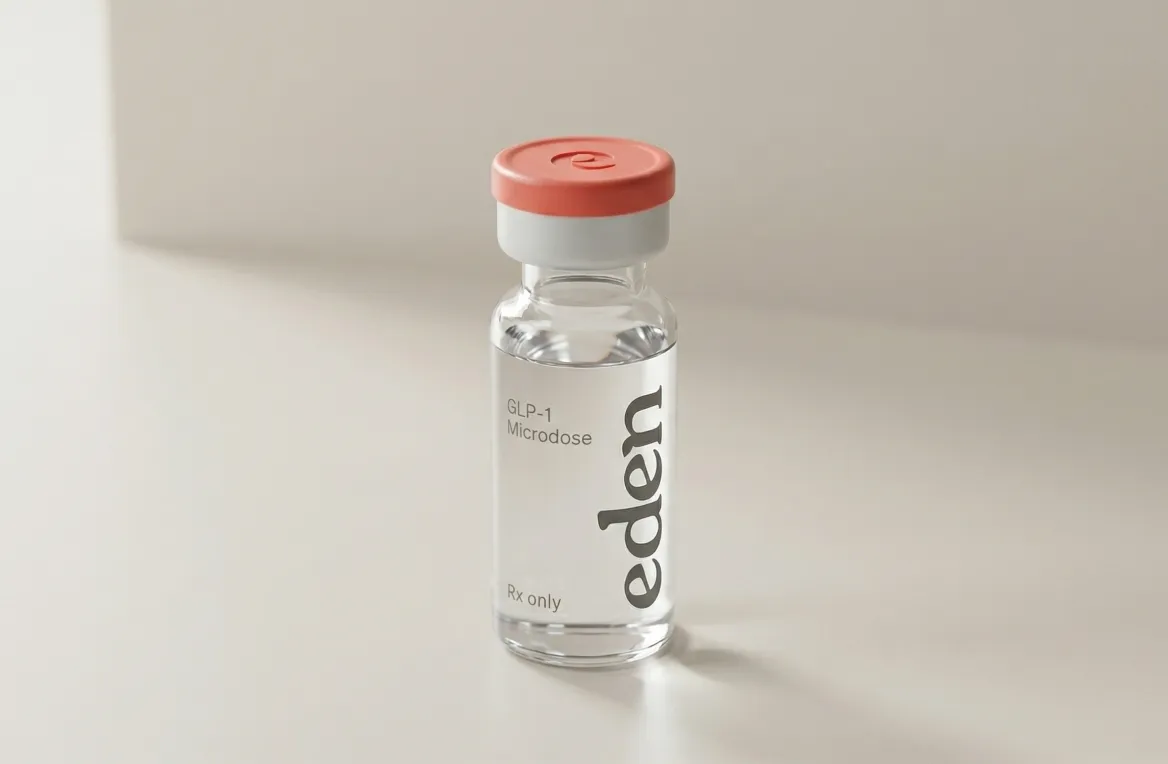

Explore how a GLP-1 microdosing schedule works, including weekly vs. smaller doses, titration guidance, and what to discuss with your provider.
- A GLP-1 microdosing schedule involves taking smaller-than-standard doses, which may be used under provider supervision to help manage tolerability. Yet, outcomes and effects vary by the individual.
- Microdosing is an off-label, physician-guided approach; it’s not a standardized or FDA-approved protocol.
- Titration is central to any GLP-1 schedule; doses should only be adjusted gradually and under medical supervision.
- Talking to a licensed healthcare provider is the best first step before exploring a microdose GLP-1 protocol.
This article is for informational purposes only and does not constitute medical advice. Always consult a licensed healthcare provider before starting or adjusting any medication.
Compounded GLP-1 therapies are prepared only when a licensed prescriber determines a clinically significant difference for a specific patient. These medications are not reviewed or approved by the FDA for safety, efficacy, or quality.
What Is GLP-1 Microdosing?
GLP-1 microdosing refers to taking a GLP-1 receptor agonist at doses below the standard FDA-approved starting dose. The truth is that some patients may stop treatment early due to unpleasant side effects, such as nausea, digestive discomfort, and more.
Yet this is where working with a licensed healthcare provider to establish a GLP-1 microdosing schedule is important. By starting at lower doses and adjusting more gradually, your provider can determine what’s working based on your individual tolerance and response.
For context, the typical starting dose of FDA-approved GLP-1 medications (such as semaglutide) is 0.25 mg weekly. A microdosing approach might begin at 0.05 to 0.1 mg weekly, with increases occurring more slowly than a standard titration schedule.
However, this is considered an off-label practice, meaning it falls outside FDA-approved dosing guidelines. Most microdosing also involves compounded medications, which are custom-made formulations that are not FDA-approved for safety, quality, or dosage accuracy.
Interestingly, GLP-1 microdosing gained attention during GLP-1 medication shortages and has since become a topic of growing interest among patients. At the same time, any microdosing approach should be guided by a licensed healthcare provider.
Potential Benefits of a GLP-1 Microdosing Schedule
As aforementioned, one of the primary reasons patients and providers explore a microdose GLP-1 approach is to potentially increase tolerability. In fact, gastrointestinal symptoms, including nausea, reflux, and constipation, are among the most common reasons people discontinue GLP-1 therapy early. Starting at a lower dose, however, may give the body more time to adapt.
Other benefits may include:
- Improved provider-guided care plans (which may include better weight management strategies)
- Improved monitoring of metabolic markers
- Better treatment adherence
With that said, potential benefits vary from person to person. What works well for one patient may not be appropriate for another, which is why individualized, provider-led guidance is essential.
Starting with a quick online intake, Eden can connect you with a licensed provider. From there, your provider can help you determine what’s best for you and your health goals.
{{primary-cta}}
How Do GLP-1 Microdosing Approaches Differ in Dosing Frequency?
Standard GLP-1 protocols involve once-weekly injections, starting at a set dose and increasing at defined intervals. A microdosing schedule operates within this same weekly framework but with lower starting doses and potentially a slower escalation rate.
Some providers have explored twice-weekly injections at smaller amounts as an off-label approach for highly sensitive patients. However, twice-weekly dosing lacks formal study support and FDA approval. Additionally, most providers may prefer a once-weekly schedule with titration adjusted based on clinical judgment.
Ultimately, a well-structured titration plan, not injection frequency, is an important factor considered by providers when managing and monitoring any GLP-1 treatment.
What is Titration in a GLP-1 Microdosing Schedule?
Titration is the process of starting at a low dose and gradually adjusting it over time based on the body’s response. It’s a standard part of any GLP-1 protocol, but it becomes even more intentional in a microdosing context.
Overall, the goal of titration is to identify an appropriate dose as determined by a licensed provider for each individual. Instead of following a fixed escalation schedule, your physician takes into account side-effect tolerance, appetite response, weight trends, and relevant lab markers.
From there, dose increases typically occur no sooner than every four weeks. In turn, this allows enough time to properly assess a patient's response before making changes.
It’s worth noting that self-adjusting doses without medical oversight aren’t recommended. Increasing too quickly may worsen side effects. At the end of the day, a licensed healthcare provider’s guidance ensures titration is both safe and purposeful.
Sample GLP-1 Microdosing Chart
The following is a general example of how a microdosing schedule might be structured. This is not a prescriptive protocol, and individual plans will vary based on provider recommendations and patient response.
Some patients may plateau comfortably within Phase 2 and remain there long-term. Yet, others may progress toward standard dosing levels as their tolerance improves. The right endpoint is ultimately determined by your provider based on your individual goals.
The Importance of Physician-Supervised Dosing
Without medical oversight, there is no reliable way to assess whether a dose is working, whether it’s safe to increase, or whether underlying health factors need to be considered.
A qualified provider will evaluate your goals, side-effect tolerance, metabolic health markers, and lab results at regular intervals (typically every three to six months). Depending on your situation, they may also monitor kidney function, liver health, thyroid markers, and A1C levels. And this, ultimately, keeps your safety and health top-of-mind.
Final Thoughts
Depending on individual situations, a GLP-1 microdosing schedule may be considered by a provider as part of a broader care plan for patients who struggle with standard dosing protocols. However, your body’s response should guide dosage, titration pace, and timing.
If you’re curious about your current health plan or side effects you’re experiencing, it’s important to have an honest conversation with a licensed healthcare provider. Together, you can build a plan that supports your goals while keeping safety and tolerability at the forefront.









The FDA does not approve compounded medications for safety, quality, or manufacturing. Prescriptions and a medical evaluation are required for certain products. The information provided on this blog is for general informational purposes only. It is not intended as a substitute for professional advice from a qualified healthcare professional and should not be relied upon as personal health advice. The information contained in this blog is not meant to diagnose, treat, cure, or prevent any disease. Readers are advised to consult with a qualified healthcare professional for any medical concerns, including side effects. Use of this blog's information is at your own risk. The blog owner is not responsible for any adverse effects or consequences resulting from the use of any suggestions or information provided in this blog.
Eden is not a medical provider. Eden connects individuals with independent licensed healthcare providers who independently evaluate each patient to determine whether a prescription treatment program is appropriate. All prescriptions are written at the sole discretion of the licensed provider. Medications are filled by state-licensed pharmacies. Please consult a licensed healthcare provider before making any medical decisions.
Frequently asked questions
Is microdosing GLP-1 safe?

Microdosing GLP-1 may be considered by licensed providers for certain patients. Since it involves compounded medications that are not FDA-approved, working with a licensed provider is essential to ensure safety and appropriate dosing.
Can I microdose GLP-1 for weight loss?
Some patients use a microdose GLP-1 approach for this outcome, particularly when standard doses cause significant side effects. But outcomes vary by individual. A qualified healthcare provider can help determine whether this approach aligns with your goals.
What is considered a microdose of GLP-1?
A microdose is generally considered any amount below the standard FDA-approved starting dose. For semaglutide, this usually means starting at 0.05 to 0.1 mg weekly rather than the typical 0.25 mg. The exact threshold varies depending on the medication and is determined in consultation with a healthcare provider.
How do I know if a GLP-1 microdosing schedule is right for me?
Patients with gastrointestinal sensitivities, a history of medication intolerance, or those seeking gradual metabolic changes may be evaluated by a licensed provider for suitability. Your provider will take into account your health history and goals to determine the best approach for you.
Do I need a prescription to microdose GLP-1?
Yes. GLP-1 medications, including compounded formulations used in microdosing, require a prescription from a licensed healthcare provider. Obtaining these medications without a prescription is not safe or legal.
Related articles





Gorgojo-Martínez, J. J., Mezquita-Raya, P., Carretero-Gómez, J., Castro, A., Cebrián-Cuenca, A., de Torres-Sánchez, A., García-de-Lucas, M. D., Núñez, J., Obaya, J. C., Soler, M. J., Górriz, J. L., & Rubio-Herrera, M. Á. (2022). Clinical Recommendations to Manage Gastrointestinal Adverse Events in Patients Treated with Glp-1 Receptor Agonists: A Multidisciplinary Expert Consensus. Journal of clinical medicine, 12(1), 145. https://pmc.ncbi.nlm.nih.gov/articles/PMC9821052/
Ozempic® Dosing Information | Ozempic® (semaglutide) injection. (n.d.). https://www.ozempic.com/how-to-take/ozempic-dosing.html
Thank you!
We'll be in touch.
Thank you!