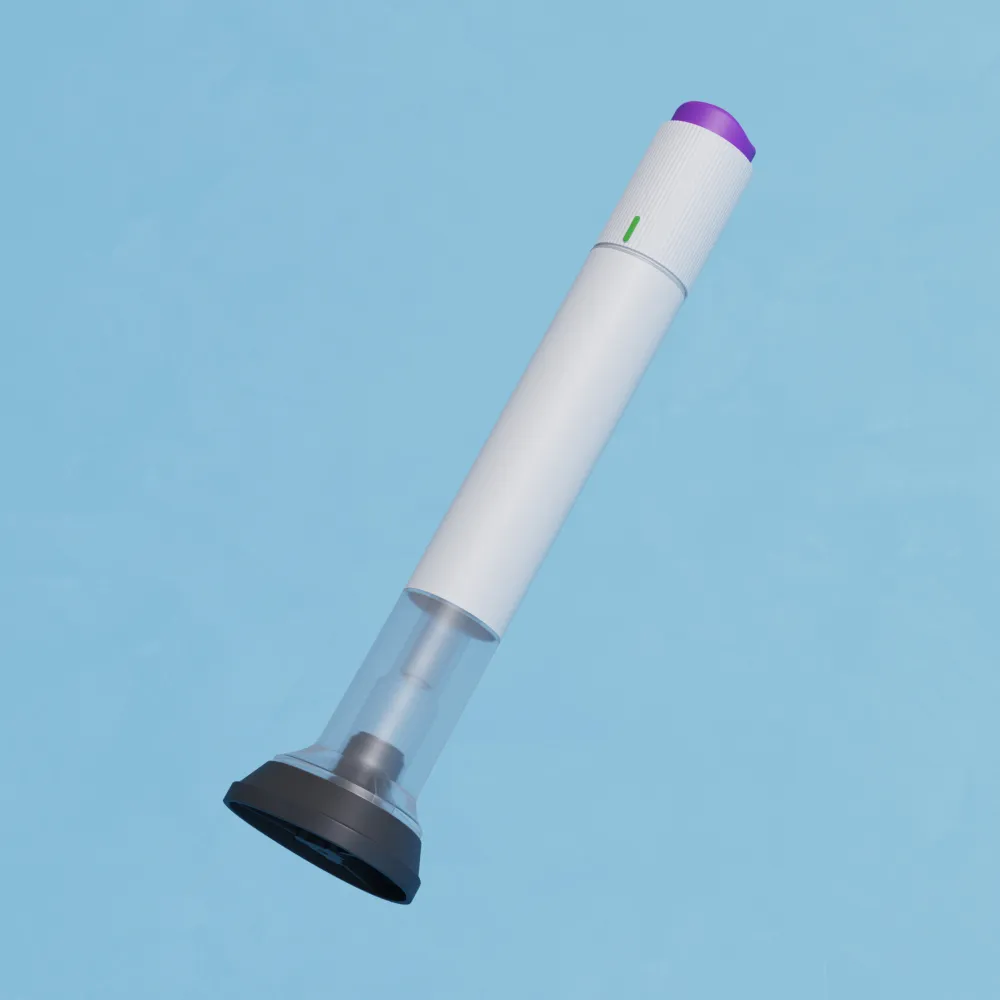
Zepbound® Cost in 2026: What You’ll Actually Pay With Insurance




Zepbound® cost ranges from $25 to $1,086/month, depending on your coverage. Read about the full pricing breakdown with and without insurance for 2026.
- Zepbound® cost is listed at $1,086 per month (28-day supply) for four prefilled pens; however, this can vary widely depending on your insurance coverage.
- With commercial insurance and the Zepbound Savings Card, you may pay as little as $25 per prescription fill (up to a 3-month supply).
- Without insurance, Eli Lilly’s LillyDirect offers single-dose vials starting at $299/month—significantly less than the $1,086 list price.
- Medicare generally does not cover Zepbound® for weight loss, and Medicaid coverage varies by state. VA and TRICARE beneficiaries are not eligible for savings card programs.
This article is for informational purposes only and is not intended as medical advice. Zepbound® (tirzepatide) is a prescription medication and should only be used under the guidance of a licensed healthcare provider. Individual results may vary, and treatment decisions should be made with the help of your provider based on your specific health needs.
How Much Does Zepbound® Cost?
At first glance, the list price of Zepbound® (tirzepatide) at $1,086 per month—for four prefilled pens—can sound shocking. But “list price” versus “what you’ll actually pay” are often two very different numbers.
Your actual tirzepatide cost will depend on several factors, such as whether you have insurance, what your plan covers, and which savings programs you qualify for. In fact, some people pay as little as $25 per prescription fill (for eligible commercially insured patients; terms apply). So, what is the cost of tirzepatide with insurance and without insurance?
{{primary-cta}}
How Much Does Zepbound® Cost Without Insurance?
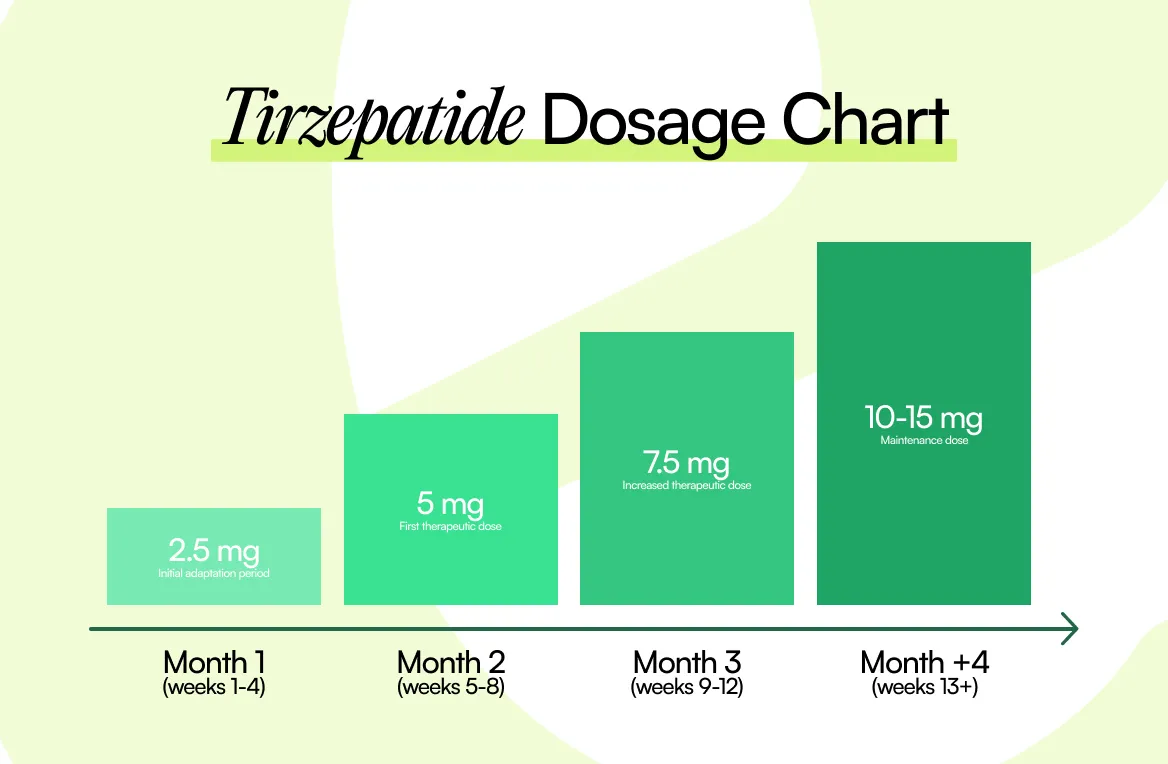
In the past, the cost of weight loss drugs has kept many from even considering these options. As aforementioned, the list price for Zepbound® prefilled pens sits at $1,086.37 per month—and this is the same whether you’re on the 2.5 mg starter dose or the 15 mg maintenance dose.
But most often, you’re not stuck paying the full price.
Eli Lilly introduced single-dose vials in 2024, and they’ve made the cost of tirzepatide significantly more accessible for people paying out of pocket. The pricing breaks down includes:
- 2.5 mg for $299/month
- 5 mg for $399/month
- 7.5 mg, 10 mg, 12.5 mg, and 15 mg for $449/month (with the Zepbound Self Pay Journey Program)
Unlike prefilled pens, however, vials require you to draw the medication using a syringe. It’s a bit more hands-on, but for many people, the savings make it worth the extra step. To keep the discounted pricing for doses 7.5 mg or higher, you’ll need to refill within 45 days of your previous delivery. Miss that window, and the price increases to the regular self-pay rates ($599-$1,049, depending on dose).
How Much Does Zepbound® Cost With Insurance?
If you have commercial health insurance that covers Zepbound®, you’re in a good position. Eli Lilly offers a Zepbound® Savings Card that can bring your out-of-pocket cost down to as little as $25 per fill (1-, 2-, or 3-month fill; a month is defined as 28 days; terms apply).
The savings card covers most of the cost, up to $100 per one-month fill ($200 for a two-month fill or $300 for a three-month fill), with a $1,300 annual cap. For individuals whose insurance plans cover Zepbound®, out-of-pocket costs may be reduced through applicable savings programs, depending on plan terms and eligibility.
But here’s the catch: the offer you qualify for depends on whether your plan covers Zepbound® and whether you meet eligibility requirements. And this is where things can get tricky.
Coverage for weight-loss medications remains inconsistent across plans. Some commercial insurers require prior authorization for Zepbound®. Meanwhile, others exclude it entirely or limit coverage to specific conditions, such as obstructive sleep apnea. If your plan doesn’t cover Zepbound®, you may still be able to use the savings card—but your cost will be closer to $499 per month (28-day supply) rather than $25.
Medicare is a different story. Traditional Medicare Part D generally does not cover Zepbound® for weight loss. Some Medicare plans may cover it when prescribed for an FDA-approved indication like obstructive sleep apnea (OSA), but coverage and costs vary by plan. But for weight management alone, you’ll likely need to explore self-pay pricing through LillyDirect.
Policy may change over time; CMS has announced a voluntary coverage model with a Medicare demonstration starting in July 2026, Medicaid beginning in May 2026, and broader Medicare Part D changes starting in January 2027 (participation varies by plan/state).
Is Zepbound® Covered By Medicaid?
This largely depends on your state.
Medicaid programs are administered at the state level, so coverage rules can vary. Some states cover Zepbound® for certain indications, while others restrict coverage or exclude anti-obesity medications; rules can change year to year and may be affected by state budget and policy updates. Others may cover it only for specific conditions, require documentation of prior weight-loss attempts, or exclude weight-loss medications altogether.
If you have Medicaid, your best bet is to contact your state’s Medicaid office directly or check their formulary (the list of covered medications) to see where Zepbound® stands. Your provider can also submit a prior authorization request if coverage isn’t automatic.
At the same time, it’s worth noting that Medicaid beneficiaries are not eligible for Eli Lilly’s Zepbound® Savings Card. If your state Medicaid program doesn’t cover the medication, you’d need to pay out of pocket using the LillyDirect self-pay pricing.
Is Zepbound® Covered By VA Benefits or TRICARE®?
Coverage under VA benefits and TRICARE® is limited—and the savings card isn’t available here either.
Eli Lilly explicitly excludes patients with VA, TRICARE®, DoD, and other government-funded insurance from the Zepbound® Savings Card program. This means if you’re covered through one of these plans, you won’t be able to use the card to reduce your costs.
Yet, formulary coverage varies. Some VA facilities have added GLP-1 medications to their formularies for specific conditions, but coverage for weight management is not guaranteed. TRICARE® coverage is similarly inconsistent and often requires prior authorization and documentation of medical necessity.
If you’re a veteran or active-duty service member interested in Zepbound®, the best course of action is to speak directly with your VA provider or TRICARE® representative. They can clarify what’s covered under your specific plan and whether any exceptions might apply.
Zepbound vs Mounjaro pricing
Zepbound® and Mounjaro® share the same active ingredient (tirzepatide) and manufacturer, but their prices show small differences:
- Zepbound®: $1086.37/month (list price for pens)
- Mounjaro®: $1079.77/month (list price)
The medications’ FDA approvals set them apart despite their similar costs. Zepbound® is FDA-approved for chronic weight management and for moderate-to-severe obstructive sleep apnea in adults with obesity (per approved labeling). Mounjaro® helps manage blood sugar in adults with type 2 diabetes. Thus, your out-of-pocket costs may vary depending on the approvals and your insurance coverage.
Although both products contain tirzepatide, they are FDA-approved for different indications and are not interchangeable; coverage and pricing are determined by the approved use and individual insurance policies.
{{primary-cta}}
What Affects Your Zepbound® Cost With Insurance?
The cost you’ll pay for Zepbound® depends heavily on your insurance policy details. These details can make the difference between getting affordable treatment and facing steep costs. Below, we take a closer look.
Insurance Type
Pricing may vary significantly depending on your insurance type:
- Commercial Insurance: Individuals with commercial coverage and Eli Lilly’s savings card might pay just $25 per fill (1-, 2-, or 3-month fill; terms apply).
- Medicare: Medicare generally does not cover Zepbound® for weight loss. In limited cases where tirzepatide is prescribed for an FDA-approved indication such as obstructive sleep apnea, coverage and out-of-pocket costs vary by plan and are subject to change. Beneficiaries should consult their Medicare plan directly for the most current information.
- Medicaid: Each state has different Medicaid coverage rules. Some states may cover Zepbound® for certain indications and may require prior authorization and documentation of medical necessity; member cost-share varies by state and plan.
Formulary Tier and Copay Structure
Your costs depend directly on where Zepbound® sits in your insurer’s formulary tier. Higher tiers usually mean you’ll pay more.
However, a formulary exception approval might let you pay a tier two copay instead of a higher tier three copay.
Prior Authorization
Most insurers need prior authorization before they’ll cover Zepbound®. Your doctor must prove it’s medically necessary by submitting diagnosis codes, BMI, weight trends, and proof that lifestyle changes didn’t work.
For some plans, insurers may also use step-therapy protocols that require trying certain alternatives before Zepbound® will be approved.
Ways to Lower Your Zepbound® Cost
You can reduce your Zepbound® costs way below retail prices through several strategies, such as:
Manufacturer Savings Cards
As previously mentioned, Eli Lilly’s official Zepbound® Savings Card program offers substantial savings. Individuals with commercial insurance coverage can pay as little as $25 per fill for up to a three-month supply (terms apply).
It’s worth noting, however, that these cards have limits. Yet, savings amounts and annual limits vary by eligibility and are subject to change.
Prescription Discount Cards
Prescription discount cards can provide savings (some programs advertise an average of ~65% savings; actual savings can vary by medication and pharmacy) on medications, including Zepbound®, when paying cash, and are accepted by many pharmacies nationwide (participation varies). These programs cannot be used in conjunction with insurance—you must pay cash—but in some cases, the discounted cash price may be lower than your insurance copay.
Telehealth and Self-Pay Clinics
Telehealth appointments are often more affordable than in-person visits when pursuing a prescription, especially for self-pay patients. Through LillyDirect, Eli Lilly provides self-pay access to Zepbound® single-dose vials, with pricing starting at approximately $299 per month and increasing with dose. To maintain access to discounted self-pay pricing, patients typically need to refill their prescription within 45 days of the prior delivery, per program requirements.
Compounded Options
Some people ask about compounded medications. These are not FDA-approved, and the FDA doesn’t review them the same way it reviews brand-name drugs for safety, effectiveness, or consistent quality. A licensed provider may prescribe a compounded medication for an individual patient when the commercially available option isn’t appropriate and a different formulation is needed. The exact formulation can vary by pharmacy and prescription. Insurance often doesn’t cover compounded medications, so costs can be different from covered brand-name options.
Final Thoughts
The cost of Zepbound® can vary widely depending on your insurance plan and selected payment options. Additionally, costs, coverage, and treatment outcomes vary, and no medication is appropriate for every patient.
Ultimately, a licensed healthcare provider can help you determine whether Zepbound® is the right fit for you and guide you through the process of accessing it at the best possible price.
Important Safety Information
Zepbound® has a Boxed Warning for risk of thyroid C-cell tumors. Do not use if you or a family member has had medullary thyroid carcinoma (MTC) or MEN2. Common side effects include nausea, diarrhea, vomiting, constipation, and stomach pain. Talk with a licensed healthcare provider about risks and whether it’s appropriate for you.
Zepbound® and Mounjaro® are registered trademarks of Eli Lilly and Company. This page is not affiliated with or endorsed by Eli Lilly.









The FDA does not approve compounded medications for safety, quality, or manufacturing. Prescriptions and a medical evaluation are required for certain products. The information provided on this blog is for general informational purposes only. It is not intended as a substitute for professional advice from a qualified healthcare professional and should not be relied upon as personal health advice. The information contained in this blog is not meant to diagnose, treat, cure, or prevent any disease. Readers are advised to consult with a qualified healthcare professional for any medical concerns, including side effects. Use of this blog's information is at your own risk. The blog owner is not responsible for any adverse effects or consequences resulting from the use of any suggestions or information provided in this blog.
Eden is not a medical provider. Eden connects individuals with independent licensed healthcare providers who independently evaluate each patient to determine whether a prescription treatment program is appropriate. All prescriptions are written at the sole discretion of the licensed provider. Medications are filled by state-licensed pharmacies. Please consult a licensed healthcare provider before making any medical decisions.
Frequently asked questions
How much does tirzepatide cost?

Tirzepatide costs $1,086.37 per month at the list price for brand-name Zepbound® prefilled pens. With the Zepbound Savings Card, eligible commercially insured patients may pay as little as $25 per fill; LillyDirect self-pay vial pricing starts at $299/month (and can be $449/month for higher doses under program terms). If your commercial plan does not cover Zepbound®, some eligible patients may pay $499/month with the savings card (terms apply).
What’s the cheapest way to get Zepbound®?
The cheapest option is $25 per fill using the Zepbound Savings Card with qualifying commercial insurance (1-, 2-, or 3-month fill; terms apply). If you’re paying out of pocket, LillyDirect’s single-dose vials start at $299 for the 2.5 mg dose.
Why won’t insurance cover Zepbound®?
Many insurers still classify weight loss medications as “lifestyle” drugs rather than medically necessary treatments. Thus, coverage policies vary widely, and some plans exclude obesity medications altogether or require prior authorization and documented medical necessity.
What insurance covers Zepbound®?
Some commercial health insurance plans cover Zepbound®, though coverage varies widely by provider and plan. Medicare generally does not cover it for weight loss, and Medicaid coverage varies by state. It’s always important to check directly with your insurer to determine your specific coverage.
How to get Zepbound® for $25?
You’ll need commercial health insurance that covers Zepbound® plus the Zepbound Savings Card from Eli Lilly. The card covers most of your out-of-pocket cost, up to $100 per one-month fill, bringing your total to as low as $25.
Why is Zepbound® so expensive?
Zepbound® is a newer, patent-protected medication with no generic alternative available. Eli Lilly holds patent/exclusivity protections that are expected to extend into the mid-2030s (timing can vary by jurisdiction and legal outcomes), which limits competition and keeps prices high.
Related articles








Medicaid. (n.d.). medicaid.gov. Retrieved January 12, 2026, from https://www.medicaid.gov/medicaid
MOUNJARO. (2022). Highlights of prescribing information. https://www.accessdata.fda.gov/drugsatfda_docs/label/2022/215866s000lbl.pdf
TRICARE. (n.d.). Home | TRICARE. https://tricare.mil/
Zepbound®(tirzepatide) Savings. (2025). Zepbound.lilly. Retrieved January 12, 2026, from https://zepbound.lilly.com/savings
ZEPBOUND. (2022). Highlights of prescribing information. https://www.accessdata.fda.gov/drugsatfda_docs/label/2024/217806s003lbl.pdf
Thank you!
We'll be in touch.
Thank you!