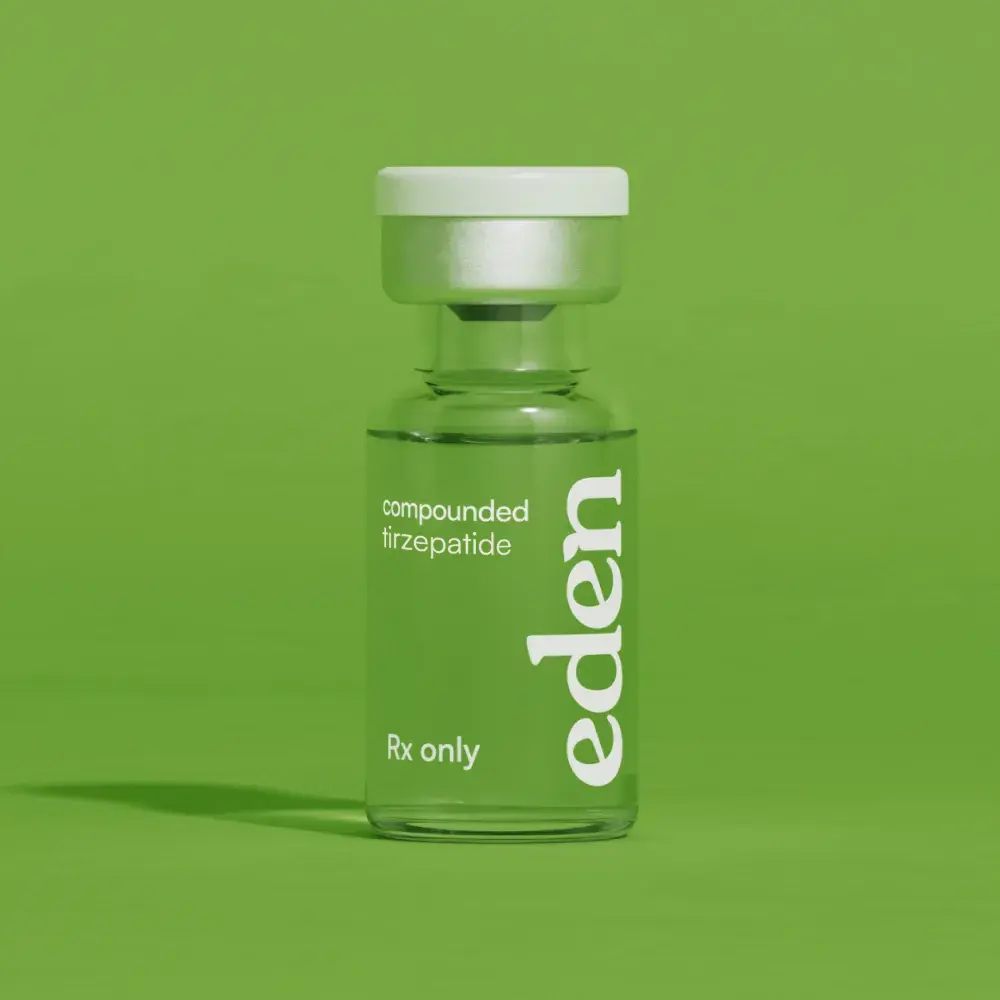
Compounded Tirzepatide: Safety, Side Effects & FDA Status



What is compounded tirzepatide? What to know about safety, side effects, and FDA status if you’re considering it for weight management.
- What is compounded tirzepatide? It’s a patient-specific prescription medication containing tirzepatide that a compounding pharmacy prepares based on a clinician’s order.
- Why compound it? A clinician may choose compounding if you need something the commercial options don’t provide, like avoiding an ingredient you can’t tolerate or using a patient-specific dose.
- Compounded tirzepatide is not FDA-approved and isn’t reviewed by the FDA for safety, effectiveness, or quality.
- The FDA removed tirzepatide injection products from the Drug Shortages list on October 2, 2024, and issued a Declaratory Order on December 19, 2024, reaffirming that the shortage is resolved.
- The FDA has warned about dosing errors and serious adverse events reported with unapproved/compounded GLP-1 drugs, including compounded tirzepatide.
- If you’re considering tirzepatide for weight management, talk with a licensed clinician about safety, side effects, and follow-up monitoring.
What Is Compounded Tirzepatide?
Compounded tirzepatide is a prescription medication containing tirzepatide that’s prepared by a state-licensed compounding pharmacy. Compounded medications are made for a specific patient when a clinician needs a medication version that standard commercial products don’t offer. It may be used in a clinician-guided metabolic health plan, including blood sugar support and weight management when appropriate.
Common Misconceptions About Compounded Tirzepatide
There’s a lot of conflicting information online, so it helps to clear up a few basics:
- It’s not FDA-approved, meaning it hasn’t been reviewed by the FDA the way commercially manufactured prescriptions are.
- It’s not a “generic.” A generic is an FDA category; compounded medications don’t fit that definition when they aren’t FDA-approved.
- It shouldn’t be framed as identical to any FDA-approved product. If you see phrases like “the same as,” “equivalent,” “identical,” or “just like,” take them with caution, as those comparisons can oversimplify important differences.
If a website promises a certain amount of weight loss or says it’s ‘the same as’ a brand-name drug, take a step back and talk it through with a clinician.
What’s The Difference Between Tirzepatide and Compounded Tirzepatide?
Tirzepatide is the medication ingredient. You’ll see it in FDA-approved prescription products that come with standardized manufacturing controls and FDA-reviewed prescribing information.
Compounded tirzepatide is a pharmacy-prepared version that may include tirzepatide, but it’s made through the compounding process. In practical terms, the biggest differences are about consistency, oversight, and labeling—which can affect how predictable the product is and how closely it matches what people expect when they hear “tirzepatide.”
{{primary-cta}}
What’s different in plain terms
- How it’s made: FDA-approved products are commercially manufactured under standardized controls. Compounded versions are prepared by a compounding pharmacy for a specific prescription.
- Instructions and information: FDA-approved products come with FDA-reviewed labeling; compounded prescriptions rely on pharmacy labeling and prescriber directions.
- Consistency: Commercial products are designed to be consistent from dose to dose; compounded formulations can vary from pharmacy to pharmacy and from preparation to preparation.
If you’re looking at this for weight management, you don’t need to figure it out alone. Eden can connect you with a licensed clinician who can help you choose the right option for your body and goals. And set expectations for side effects, dosing, and follow-ups.
FDA Status
For a while, tirzepatide was on the FDA’s shortage list, but that’s changed. The FDA removed tirzepatide injections from the shortage list on October 2, 2024, and reaffirmed that status on December 19, 2024.
In practice, access now depends on clinician judgment. Compounded tirzepatide may still be prescribed when a clinician documents a clinically significant difference for your care.
Safety
If you’re considering compounded tirzepatide, here are a few safety points worth understanding:
- Not FDA-approved (not FDA-reviewed for safety/quality).
- Can vary by pharmacy/preparation.
- Dosing mistakes happen (measuring/titration).
- Avoid hype: “same as,” guaranteed loss, or urgency tactics.
Weight Management Considerations
If you’re considering tirzepatide for weight management, Eden can connect you with an independent licensed clinician who will review your health history and decide what’s clinically appropriate. Your clinician can also explain what to monitor and how to manage side effects, especially during dose changes.
Your visit typically includes a review of your health history and medications, a discussion of risks and side effects, and a clear follow-up plan so that you know what to expect and when to check in.
{{primary-cta}}
Common Side Effects
Side effects vary, but GI side effects are the most common:
- nausea
- vomiting
- diarrhea
- constipation
- abdominal discomfort/indigestion
Some people notice side effects most during dose increases; others have minimal symptoms.
When to seek urgent medical care
Get urgent medical help if you have severe or ongoing vomiting or diarrhea, signs of dehydration, fainting, severe abdominal pain, or symptoms of a serious allergic reaction.
Dosing Safety
Because compounded medications can vary in concentration, don’t rely on online dosing charts. Follow your prescription label and your clinician’s titration plan, and confirm measurements with the pharmacy if anything is unclear.
Before You Start, Ask Your Clinician
- Why is a compounded option appropriate for me (what’s the clinically significant difference)?
- Which state-licensed pharmacy will fill it, and who helps if measurements are unclear?
- What side effects should I watch for, and what’s our follow-up plan?
Bottom Line
If you’re considering tirzepatide for weight management, the safest path is clinician-guided care with clear expectations, careful dose changes, and follow-up monitoring.












The FDA does not approve compounded medications for safety, quality, or manufacturing. Prescriptions and a medical evaluation are required for certain products. The information provided on this blog is for general informational purposes only. It is not intended as a substitute for professional advice from a qualified healthcare professional and should not be relied upon as personal health advice. The information contained in this blog is not meant to diagnose, treat, cure, or prevent any disease. Readers are advised to consult with a qualified healthcare professional for any medical concerns, including side effects. Use of this blog's information is at your own risk. The blog owner is not responsible for any adverse effects or consequences resulting from the use of any suggestions or information provided in this blog.
Eden is not a medical provider. Eden connects individuals with independent licensed healthcare providers who independently evaluate each patient to determine whether a prescription treatment program is appropriate. All prescriptions are written at the sole discretion of the licensed provider. Medications are filled by state-licensed pharmacies. Please consult a licensed healthcare provider before making any medical decisions.
Frequently asked questions
Is compounded tirzepatide the same as a brand-name product?

No. Compounded prescriptions aren’t FDA-approved and can vary by pharmacy and preparation, while FDA-approved products have FDA-reviewed labeling and standardized manufacturing controls.
When is compounded medication used?
A clinician may consider compounding when there’s a patient-specific clinical need that commercially available products don’t provide, such as avoiding an ingredient you can’t tolerate or meeting a specific dosing need.
What are the most common side effects?
The most common side effects are gastrointestinal: nausea, vomiting, diarrhea, constipation, and abdominal discomfort/indigestion. These effects can range from mild to moderate and may be more noticeable during dose increases.
Related articles










U.S. Food and Drug Administration. (2024a, December 19). Declaratory order: Resolution of shortages of tirzepatide injection products (Mounjaro and Zepbound) [PDF]. https://www.fda.gov/media/184606/download
U.S. Food and Drug Administration. (2024b, December 19). Resolution of tirzepatide injection product shortage and supply status [Memorandum]. https://www.fda.gov/media/185577/download
U.S. Food and Drug Administration. (2025a, October 23). Drug shortages. https://www.fda.gov/drugs/drug-safety-and-availability/drug-shortages
U.S. Food and Drug Administration. (2025b, September 25). FDA’s concerns with unapproved GLP-1 drugs used for weight loss. https://www.fda.gov/drugs/postmarket-drug-safety-information-patients-and-providers/fdas-concerns-unapproved-glp-1-drugs-used-weight-loss
U.S. Food and Drug Administration. (n.d.). Tirzepatide injection (resolved) (Drug Shortages Database). Retrieved January 19, 2026, from https://dps.fda.gov/drugshortages/resolved/tirzepatide-injection
Thank you!
We'll be in touch.
Thank you!