How to Calculate Semaglutide Dosage in Units (Chart, Syringe & Units to mg)




Learn how to calculate semaglutide dosage in units using a semaglutide dosage chart in units. Understand semaglutide syringe dosage and how to convert semaglutide units to mg for safer injections.
- Understanding semaglutide dosage in units helps you use your medication more safely, but you should never change your dose without your prescriber’s guidance.
- A semaglutide dosage chart in units must match your exact vial or pen concentration—you can’t assume one brand’s “units-to-mg” conversion applies to another.
- Semaglutide syringe dosage errors often happen when people confuse mg, mL, and units, so always double-check your math and confirm with your pharmacy or provider.
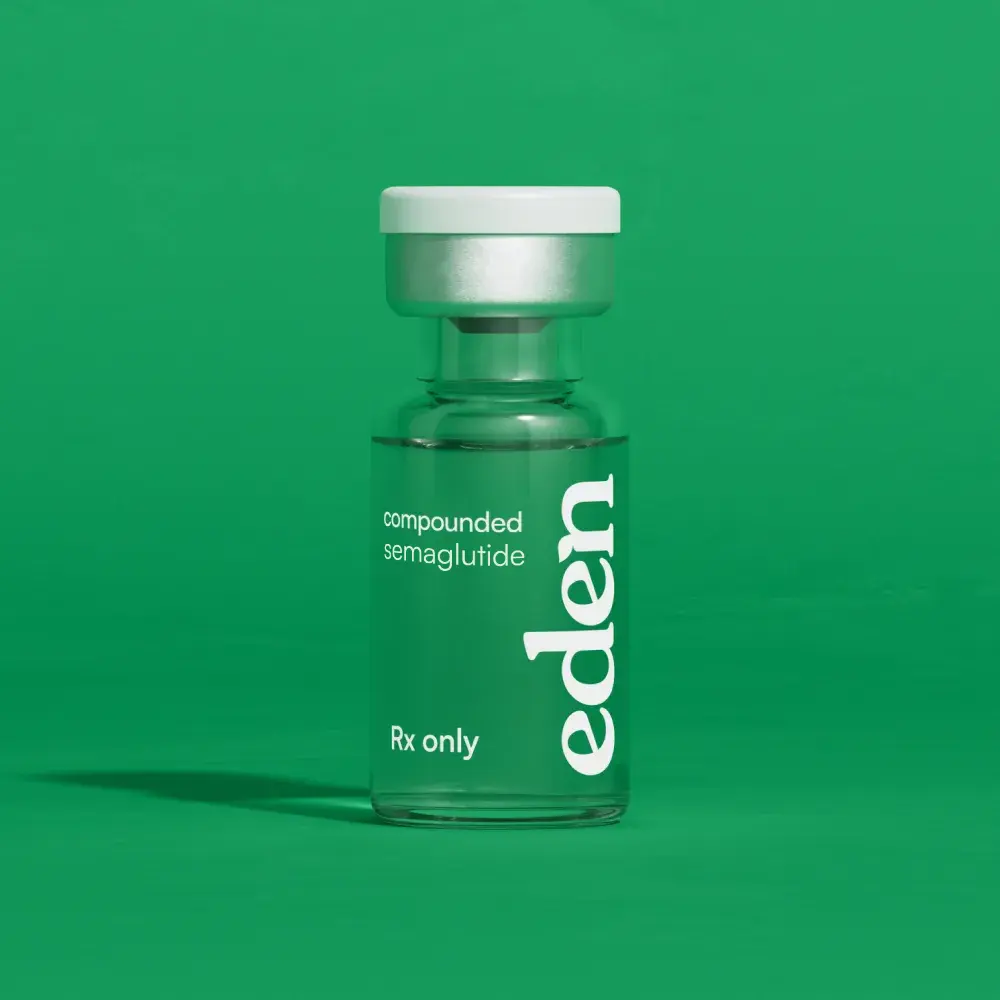
- For compounded semaglutide, concentrations and charts can vary by pharmacy; these medications are not FDA-approved, so rely on the instructions provided with your prescription.
- Correctly converting semaglutide units to mg and using proper injection technique (site rotation, needle safety, sharps disposal) are key parts of safe treatment.
Note: This article is for general education only and is not medical advice. Always follow the dosing and injection instructions from your own healthcare provider and the Medication Guide/Instructions for Use that come with your medication. Compounded semaglutide is not FDA-approved; formulations and dosing instructions can vary by pharmacy.
Did you know that understanding semaglutide dosage in units can help you use this medication more safely and consistently under your healthcare provider’s guidance? The medication works as an effective weight-loss treatment option by reducing appetite and improving metabolic function, which explains its growing popularity. Semaglutide mimics your body's GLP-1 hormone, boosting insulin secretion and slowing the movement of food through your digestive system.
The correct dose calculation can be tricky. The same 20-unit measurement can represent different milligram doses depending on the brand, device, and concentration you’re using. You need to know this difference because doctors recommend a maximum weekly dose of 2.4 mg for Wegovy®. Wrong calculations might affect your results or safety.
Research backs up the need for proper dosing. In clinical trials of FDA-approved Wegovy®, people who received the study drug lost around 15% of their starting weight on average over about 68 weeks, while those on placebo showed much less progress. Individual results vary and depend on factors like dose, diet, and physical activity. You need reliable conversion charts for semaglutide and a clear understanding of dosage units to succeed in your weight-loss experience.
This piece will guide you through the correct calculation of your semaglutide syringe dosage. We’ll cover everything from semaglutide (including compounded semaglutide, which is not FDA-approved and may vary by pharmacy) dosage charts to safe injection methods. Let’s help you get the exact dose you need for success!
{{primary-cta}}
Step 1: Know Your Prescribed Dosage
Semaglutide treatment starts with a carefully calculated dose that increases over time. This well-laid-out approach serves a specific purpose and maximizes benefits while minimizing side effects. Here's what you should know about the process.
Understanding your starting dose
Everyone begins semaglutide treatment at the same low dose. Both Ozempic® and Wegovy® start with 0.25 mg injected once weekly during the first 4 weeks. Your body needs this consistent starting point to adjust before moving to more therapeutic levels.
Your doctor will give you specific dosing schedule instructions. The standard progression follows this pattern:
- Weeks 1-4: 0.25 mg once weekly
- Weeks 5-8: 0.5 mg once weekly
- Weeks 9-12: 1 mg once weekly
- Weeks 13-16: 1.7 mg once weekly (for Wegovy®)
- Week 17 and beyond: Maintenance dose (either 1.7 mg or 2.4 mg for Wegovy®)
You should never change your dose unless your doctor instructs you to do so. Your semaglutide syringe dosage might differ if you have specific medical conditions, such as chronic kidney disease.
Why doctors start low and go slow
Clinical evidence supports this gradual approach. Research shows that a slow dose increase helps minimize side effects while giving you the best results.
Patients who follow the recommended dose escalation schedule achieve better outcomes than those staying at lower doses. A clinical trial revealed that only 2% of patients using a flexible, gradual titration stopped due to gastrointestinal side effects, compared to 19% following the standard label-recommended schedule.
Rapid increases to higher doses often lead to severe side effects that discourage patients and work against their goals. The slow increase helps your body's GLP-1 receptors become more responsive to the medication. Higher doses become more effective and necessary to maintain consistent blood sugar levels and appetite suppression.
Your individual needs and response to the medication might require a slightly different dosing schedule. Regular communication with your healthcare provider becomes vital throughout this process to achieve optimal results.
Step 2: Use the Semaglutide Conversion Chart
After receiving your prescribed dosage in milligrams (mg), you need to convert this amount into units for injection. This conversion will give a precise dose for each administration when you’re using a vial and an insulin syringe calibrated in units. If you’re using a prefilled pen, you may dial the dose directly according to the product’s instructions instead of doing your own conversions.
This is where a semaglutide dosage chart in units becomes helpful—if it’s based on your exact concentration.
How to read a semaglutide dosage chart in units
Semaglutide dosage charts show two measurements: milligrams (mg) and units (u). The relationship between these measurements is straightforward, even though it might seem complex at first. These charts display how prescription strength (mg) corresponds to the measurement markings on your syringe (units).
A standard semaglutide dosage chart for a 5 mg/mL vial shows:
- 0.25 mg = 5 units
- 0.5 mg = 10 units
- 1.0 mg = 20 units
- 1.75 mg = 35 units
- 2.5 mg = 50 units
Converting mg to units for different concentrations
Each product and concentration of semaglutide has its own conversion between milligrams and units. The key is the concentration on your label (for example, 5 mg/mL) and the fact that a standard insulin syringe has 100 units in 1 mL.
Your dosage in units can be calculated using this formula:
Dose in units = (Dose in mg ÷ Concentration in mg/mL) × 100
You can also calculate from units to mg:
Dose in mg = (Dose in units ÷ 100) × (Concentration in mg/mL)
This is the basic way to convert semaglutide units to mg and back. Always double-check your math and confirm with your pharmacy or prescriber if you’re unsure.
Semaglutide syringe dosage examples
Let's get into practical examples of these conversions:
Example 1: Your doctor prescribes 0.25 mg of semaglutide weekly using a 5 mg/mL vial.
Calculation: 0.25 mg ÷ 5 mg/mL = 0.05 mL = 5 units on an insulin syringe.
Example 2: Your prescription is 1 mg weekly from the same 5 mg/mL vial.
Calculation: 1 mg ÷ 5 mg/mL = 0.2 mL = 20 units on an insulin syringe.
Example 3: Your prescription is 2.4 mg weekly from a 5 mg/mL vial.
Calculation: 2.4 mg ÷ 5 mg/mL = 0.48 mL = 48 units on an insulin syringe.
A standard insulin syringe has 100 units per 1 mL. Clean the vial top with an alcohol wipe before each use. Your medication should be stored at room temperature in a labeled, secure location to maintain its effectiveness if this matches the storage directions for your specific product—always follow the instructions that come with your medication.
For compounded semaglutide, concentrations and labeling can vary between pharmacies. These products are not FDA-approved, so you should rely on the semaglutide dosage chart in units and semaglutide units-to-mg instructions supplied with your exact prescription, and contact your provider or pharmacy if anything is unclear.
{{primary-cta}}
Step 3: Prepare and Administer the Injection
The right injection technique will work well and keep you safe after you calculate your semaglutide dose accurately. You will get the maximum benefit and fewer side effects when you administer it correctly.
Gathering your supplies
You need these items to get started:
- Your semaglutide medication (pen or vial)
- A new, unused needle (never reuse needles)
- Alcohol swabs or soap and water
- Cotton ball or tissue (optional)
- FDA-approved sharps container for disposal
Check if your medication hasn't expired and looks clear and colorless through the pen window. Let a refrigerated pen reach room temperature for 15–20 minutes before injection.
Step-by-step injection guide
- Prepare yourself: Clean your hands really well with soap and water to prevent infection.
- Check your medication: The liquid should be clear, colorless, and free of particles
- Prepare the pen/needle:
- Remove the pen cap
- Attach a new needle (push and twist until tight)
- Remove both needle caps
- New pens need "priming" by following the flow check instructions in the product guide
- Choose your injection site and rotate between:
- Abdomen (2 inches from the belly button)
- Outer thigh (avoid inner thigh)
- Back of upper arm (between shoulder and elbow)
- Clean the site: Use an alcohol swab and let it dry completely.
- Inject properly:
- Gently pinch a fold of skin at the injection site
- Insert the needle at a 90-degree angle
- Release the pinched skin
- Press and hold the dose button fully
- Count to 6 before removing the needle (or follow the hold time in your product’s Instructions for Use)
- Dispose safely: Put the used needle in a sharps container right away without recapping.
Common mistakes to avoid
These errors can affect your treatment's success:
- Dosage confusion: Some patients have accidentally taken several times their prescribed dose after confusing units, milliliters, and milligrams.
- Incorrect technique: Incomplete dosing happens when you don't hold the button down long enough after injection.
- Needle mishandling: Your risk of needlestick injuries increases when recapping needles.
- Site selection errors: Using the same spot repeatedly can damage tissue and affect how well the medication absorbs.
- Air bubbles: Your dose might be inaccurate if you don't remove air bubbles.
- Improper disposal: Used needles belong in a designated sharps container, not household trash.
Note that consistency matters—take your injection on the same day each week, though the time can vary. For some semaglutide products, you may be able to take a missed dose within a certain number of days, but instructions differ by brand and formulation. Always follow the missed-dose directions in your Medication Guide or ask your healthcare provider or pharmacist what to do. Never double up on doses without medical advice.
{{primary-cta}}
Step 4: Monitor, Adjust, and Stay Safe
Your safety and success with semaglutide treatment depend on proper monitoring. You need to track your progress and make adjustments throughout your treatment journey.
Tracking your progress and side effects
You should see your healthcare provider for regular check-ups to ensure the medication works well. Your doctor might need blood and urine tests to check for unwanted effects. These visits help monitor your HbA1C levels, which show your average blood sugar in the last 2–3 months.
Keep a journal of side effects and note how severe they are and how long they last. The original side effects, like nausea, vomiting, and diarrhea, usually become milder with time. You need to stay hydrated if you have stomach-related side effects.
When to delay or reduce your dose
If you’ve missed one or more doses, talk to your healthcare provider before restarting or increasing your semaglutide syringe dosage. Label instructions for missed doses can differ between products, and taking double doses to make up for missed injections is dangerous.
Your doctor might delay increasing your dose if you have more significant side effects. The increase might need an extra 4 weeks if needed. Your doctor might also lower your dose to 1.7 mg weekly if your body doesn't handle the 2.4 mg weekly dose well.
Who should avoid semaglutide
Semaglutide should not be used by people with:
- Multiple Endocrine Neoplasia syndrome type 2 (MEN 2)
- Personal or family history of medullary thyroid carcinoma (MTC)
- Serious allergic reactions to semaglutide
Be extra careful if you have pancreatic or kidney problems, diabetic retinopathy, or are pregnant or breastfeeding.
Signs you need medical attention
Get medical help right away if you have:
- Severe stomach pain that might spread to your back (possible pancreatitis)
- Neck lumps or swelling, hoarse voice, trouble swallowing (possible thyroid tumors)
- Severe allergic reaction signs, including rash, swelling, and breathing problems
- Low blood sugar symptoms: dizziness, confusion, sweating, shakiness
- Gallbladder problems: severe stomach pain, fever, yellow skin/eyes
- Changes in vision or kidney problems
Wrong doses can lead to severe side effects that may need hospital care. Always talk to your healthcare provider before changing your dose.
Conclusion
Getting your semaglutide dosage right is crucial to lose weight safely and effectively. This piece explains how to convert dosages between milligrams and units—a key difference between brands like Ozempic® and Wegovy®.
Powerful medications like semaglutide need careful handling, and with good reason, too. Your healthcare provider's gradual titration schedule helps your body adapt while keeping side effects minimal. Note that rushing to higher doses without medical supervision can harm your health and slow down your progress.
The right injection technique plays a vital role alongside precise dosage calculations. You need clean injection sites, proper needle handling, and consistent weekly doses to get the best results. Even small mistakes here can lead to collateral damage or reduce the medication's benefits.
Your treatment needs constant monitoring. As your body's response to semaglutide may shift over time, your healthcare provider might need to adjust your dosage. While side effects usually fade as your body adapts, certain warning signs need immediate medical care.
Without doubt, proper use of semaglutide can lead to impressive weight loss—in clinical trials of certain FDA-approved semaglutide products for chronic weight management, some patients lost a significant percentage of their body weight over time when combined with diet and exercise. This explains why so many people choose it, despite needing careful management.
This detailed guide should help you handle your semaglutide treatment safely and confidently. Using the right dose, administering it properly, and keeping track of your progress gives you the best shot at managing your weight. Your dedication to these guidelines will shape your path to better health.









The FDA does not approve compounded medications for safety, quality, or manufacturing. Prescriptions and a medical evaluation are required for certain products. The information provided on this blog is for general informational purposes only. It is not intended as a substitute for professional advice from a qualified healthcare professional and should not be relied upon as personal health advice. The information contained in this blog is not meant to diagnose, treat, cure, or prevent any disease. Readers are advised to consult with a qualified healthcare professional for any medical concerns, including side effects. Use of this blog's information is at your own risk. The blog owner is not responsible for any adverse effects or consequences resulting from the use of any suggestions or information provided in this blog.
Eden is not a medical provider. Eden connects individuals with independent licensed healthcare providers who independently evaluate each patient to determine whether a prescription treatment program is appropriate. All prescriptions are written at the sole discretion of the licensed provider. Medications are filled by state-licensed pharmacies. Please consult a licensed healthcare provider before making any medical decisions.
Related articles












Eldor, R., Avraham, N., Rosenberg, O., Shpigelman, M., Golan-Cohen, A., Cukierman-Yaffe, T., Merzon, E., & Buch, A. (2025). Gradual titration of semaglutide results in better treatment adherence and fewer adverse events: A randomized controlled open-label pilot study examining a 16-week flexible titration regimen versus label-recommended 8-week semaglutide titration regimen. Diabetes Care, 48(9), 1607–1611. https://doi.org/10.2337/dc25-0690
Kommu, S., & Whitfield, P. (2024). Semaglutide. In StatPearls. StatPearls Publishing. https://www.ncbi.nlm.nih.gov/books/NBK603723/
Novo Nordisk Inc. (2023). Highlights of prescribing information. https://www.accessdata.fda.gov/drugsatfda_docs/label/2023/215256s007lbl.pdf
Novo Nordisk Inc. (2017). OZEMPIC®. https://www.novo-pi.com/ozempic.pdf
Wilding, J. P. H., Batterham, R. L., Calanna, S., Davies, M., Van Gaal, L. F., Lingvay, I., McGowan, B. M., Rosenstock, J., Tran, M. T. D., Wadden, T. A., Wharton, S., Yokote, K., Zeuthen, N., & Kushner, R. F. (2021). Once-weekly semaglutide in adults with overweight or obesity. The New England Journal of Medicine, 384(11), 989–1002. https://doi.org/10.1056/NEJMoa2032183
Thank you!
We'll be in touch.
Thank you!