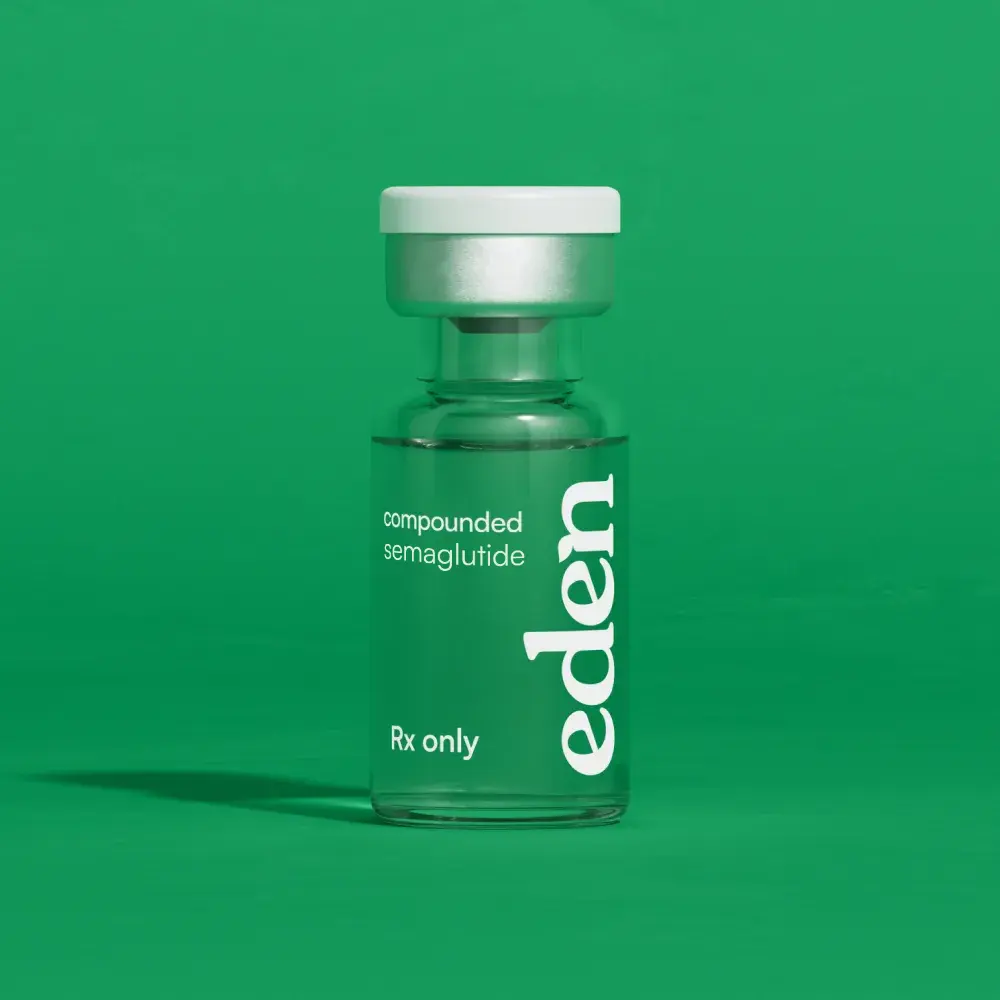
GLP 1 and Birth Control: Can It Impact Effectiveness?




GLP 1 and birth control may interact in ways that affect contraceptive effectiveness. Here’s what the research says and how to protect yourself.
- GLP 1 and birth control interact differently depending on which medication you take; tirzepatide reduces oral contraceptive absorption by around 20%, while semaglutide has minimal impact on pill effectiveness.
- If you take tirzepatide, use backup contraception for four weeks after starting treatment and for four weeks after each dose increase.
- GLP-1 medications may help improve fertility, especially in women with PCOS, by restoring ovulation and balancing hormones.
- Non-oral birth control methods, such as IUDs, implants, the patch, and the ring, are the most reliable options while on GLP-1 medications because they bypass the digestive system entirely.
- If you are planning to conceive, stop semaglutide at least two months before trying and tirzepatide at least one month before, as these medications are not approved for use during pregnancy.
This article is intended for educational purposes only and does not constitute medical advice. GLP-1 medications and contraceptive needs vary by individual. Always consult a licensed healthcare provider before making changes to your medication or birth control method.
How Do GLP-1 Medications Impact Your Body?
GLP-1 medications have become one of the most talked-about treatments for weight management and type 2 diabetes. But if you’re taking birth control, it’s a genuine concern to wonder if it will affect your contraception. After all, you’re using birth control for a reason.
GLP-1 receptor agonists work by mimicking a hormone your small intestine naturally produces called glucagon-like peptide-1. When you take one of these medications, it triggers insulin release, blocks glucagon secretion, and signals to your brain that you’re full.
Common medications in this class include semaglutide, found in Ozempic® and Wegovy®, and tirzepatide, found in Mounjaro® and Zepbound®. Tirzepatide actually activates both GLP-1 and GIP receptors, making it a dual-acting medication with a somewhat stronger effect on the digestive system.
Essentially, GLP-1 medications work by slowing gastric emptying, meaning food stays in your stomach longer before moving through your digestive tract. This is helpful for managing blood sugar and keeping you full, but it also means other medications you take orally, including birth control pills, may be absorbed differently.
GLP-1 and Birth Control Pills: Does It Impact Effectiveness?
When it comes down to it, the impact depends largely on which medication you’re taking and how your body responds to it. So, let’s take a closer look at the different types of GLP-1s and how they may impact your birth control.
Semaglutide and the Pill
Research shows that semaglutide (Ozempic® and Wegovy®) doesn’t significantly affect the absorption of oral contraceptives. A study examining semaglutide’s interaction with birth control pills found no meaningful changes in hormone levels in the bloodstream, meaning your pill should remain effective. The same holds true for liraglutide and dulaglutide.
However, the one caveat is that if you experience vomiting within three hours of taking your pill, you should take another dose right away. This is because the hormones may not have been fully absorbed before you got sick.
Tirzepatide and the Pill
On the other hand, tirzepatide (Mounjaro® and Zepbound®) targets two receptors instead of one. This may impact gastric emptying, but it also means it has a more significant effect on how your body absorbs other oral medications, including the pill.
Studies show it can reduce the amount of birth control hormones your body absorbs by around 20% after your first dose. The good news is that this effect is temporary. And it tends to be strongest when you first start the medication or increase your dose, then fades as your body adjusts.
If you’re taking tirzepatide, the FDA recommends using a barrier method as backup contraception for four weeks after your first dose and for four weeks after every dose escalation. If you experience vomiting or diarrhea lasting more than 24 hours, standard guidance for oral contraceptives recommends continuing backup contraception until you have taken your pill for seven consecutive days after symptoms resolve.
Do GLP-1 Medications Affect Fertility?
Weight loss from weight management treatment, potentially involving GLP-1s, may rebalance estrogen levels and restore ovulation in women who have had irregular cycles due to obesity. Losing even 5-10% of body weight may be enough to improve hormonal balance and restore periods to a more regular pattern.
Additionally, some small studies have explored how medications in the GLP-1 receptor agonist class may affect metabolic and hormonal markers in people with PCOS. While the study was small and more research is needed, if you have PCOS and haven’t been using contraception because you assumed you weren’t ovulating, this may be worth reconsidering after starting a GLP-1.
Best Birth Control Options While on GLP-1s
If you’re concerned about pill absorption or simply want a method that sidesteps the issue entirely, non-oral options offer a straightforward solution. Because they do not pass through your digestive system, they’re not affected by GLP-1s.
Non-Oral Methods (IUDs, Implants, the Patch, and the Ring)
Hormonal and copper IUDs work directly in the uterus, making them not affected by digestive absorption. The contraceptive implant, a small rod placed under the skin of your upper arm, releases steady progestin for up to three years and works the same way.
The birth control patch and the vaginal ring also deliver hormones through your skin or vaginal lining, so they remain just as effective on a GLP-1.
The Birth Control Shot
The shot, also called Depo-Provera®, delivers progestin through an injection every three months. Since it also bypasses your digestive system, it’s another reliable choice for women on GLP-1 medications.
If You Want to Stay on the Pill
The pill is still a reasonable option, particularly if you’re on semaglutide. However, if you stay on oral contraceptives while taking tirzepatide, follow the backup contraception guidelines closely, be mindful of vomiting and diarrhea windows, and keep an open line of communication with your provider to make sure your coverage stays consistent.
If you have any questions or concerns about your health plan, Eden connects individuals with a licensed healthcare provider who can evaluate your medical history and determine whether treatment options may be appropriate. If prescribed, medications are dispensed by licensed pharmacies. This process all starts with a brief online intake.
{{primary-cta}}
Planning to Get Pregnant? Read This First
GLP-1 medications are not approved for use during pregnancy, and animal studies have shown potential risks to fetal development. If you’re planning to conceive, the FDA recommends stopping semaglutide at least two months before trying to conceive.
For tirzepatide, stopping at least one month before is widely recommended based on the drug’s clearance time, though your provider may advise a longer window. These periods allow the medications to fully clear your system before pregnancy occurs. If you find out you are pregnant while on a GLP-1, stop the medication and contact your doctor right away.
Final Thoughts
GLP-1 medications and birth control may work together safely, but it takes a little awareness to make sure both are doing their job. Overall, tirzepatide requires extra diligence to protect contraceptive effectiveness, but semaglutide tends to have a smaller impact on pill absorption.
For some individuals, non-oral methods may be the better option; this way, you don’t have to worry about absorption or other side effects of GLP-1 medications. Whatever method you choose, talking to a licensed provider before you start treatment is the best way to make sure you’re covered from day one.




- Transparent pricing
- Same price at every dose
- No memberships or contracts
- Fast, free shipping
- Guided personalized plans
- 24/7 human support
- Real member community
- Complex pricing
- Price increases with dose
- Membership fees
- Long wait times
- Limited clinician support
- Automated customer service
- No member community








The FDA does not approve compounded medications for safety, quality, or manufacturing. Prescriptions and a medical evaluation are required for certain products. The information provided on this blog is for general informational purposes only. It is not intended as a substitute for professional advice from a qualified healthcare professional and should not be relied upon as personal health advice. The information contained in this blog is not meant to diagnose, treat, cure, or prevent any disease. Readers are advised to consult with a qualified healthcare professional for any medical concerns, including side effects. Use of this blog's information is at your own risk. The blog owner is not responsible for any adverse effects or consequences resulting from the use of any suggestions or information provided in this blog.
Eden is not a medical provider. Eden connects individuals with independent licensed healthcare providers who independently evaluate each patient to determine whether a prescription treatment program is appropriate. All prescriptions are written at the sole discretion of the licensed provider. Medications are filled by state-licensed pharmacies. Please consult a licensed healthcare provider before making any medical decisions.
Frequently asked questions
Do GLP-1 medications affect birth control?

Birth control doesn’t appear to reduce the effectiveness of GLP-1 medications. However, GLP-1s potentially affect how well oral contraceptives are absorbed due to slowed gastric emptying.
Can you take semaglutide while on birth control?
Yes, and research shows semaglutide does not significantly affect oral contraceptive absorption. The main precaution is to take an additional pill if you vomit within three hours of your dose, since the hormones may not have had time to absorb.
Does tirzepatide affect birth control?
Yes, tirzepatide can reduce oral contraceptive absorption by around 20%, especially after the first dose and following dose increases. Using backup contraception for four weeks after starting and after each dose escalation is recommended.
Can GLP-1s make you more fertile?
They might, particularly for women with PCOS or obesity-related hormonal imbalances. Weight loss from a plan potentially involving GLP-1 treatment may help restore ovulation and regulate menstrual cycles, which may make pregnancy more likely.
What birth control is best while on GLP-1s?
Non-oral methods, such as IUDs, implants, the patch, the ring, and the shot, are the most reliable choices because they’re not affected by changes in digestion or absorption. If you prefer to stay on the pill, talk to your provider about which GLP-1 medication you’re taking and whether backup contraception is needed.
Related articles












Carmina, E., & Longo, R. A. (2023). Semaglutide Treatment of Excessive Body Weight in Obese PCOS Patients Unresponsive to Lifestyle Programs. Journal of clinical medicine, 12(18), 5921. https://pmc.ncbi.nlm.nih.gov/articles/PMC10531549/
Clark, A. M., Ledger, W., Galletly, C., Tomlinson, L., Blaney, F., Wang, X., & Norman, R. J. (1995). Weight loss results in significant improvement in pregnancy and ovulation rates in anovulatory obese women. Human reproduction (Oxford, England), 10(10), 2705–2712. https://pubmed.ncbi.nlm.nih.gov/8567797/
Collins, L., & Costello, R. A. (2024d, February 29). Glucagon-Like peptide-1 receptor agonists. StatPearls - NCBI Bookshelf. https://www.ncbi.nlm.nih.gov/books/NBK551568/
DEPO-PROVERA. (2017). DEPO-PROVERA. https://www.accessdata.fda.gov/drugsatfda_docs/label/2017/012541s086lbl.pdf
Kapitza, C., Nosek, L., Jensen, L., Hartvig, H., Jensen, C. B., & Flint, A. (2015). Semaglutide, a once-weekly human GLP-1 analog, does not reduce the bioavailability of the combined oral contraceptive, ethinylestradiol/levonorgestrel. Journal of clinical pharmacology, 55(5), 497–504. https://pmc.ncbi.nlm.nih.gov/articles/PMC4418331/
MOUNJARO. (2022). Highlights of prescribing information. https://www.accessdata.fda.gov/drugsatfda_docs/label/2022/215866s000lbl.pdf
OZEMPIC. (2023). Highlights of prescribing information. https://www.accessdata.fda.gov/drugsatfda_docs/label/2023/209637s020s021lbl.pdf
Skelley, J. W., Swearengin, K., York, A. L., & Glover, L. H. (2024). The impact of tirzepatide and glucagon-like peptide 1 receptor agonists on oral hormonal contraception. Journal of the American Pharmacists Association, 64(1), 204–211. https://www.japha.org/article/S1544-3191(23)00370-9/fulltext
WEGOVY. (2017). WEGOVY (semaglutide) injection, for subcutaneous use. https://www.accessdata.fda.gov/drugsatfda_docs/label/2023/215256s007lbl.pdf
ZEPBOUND. (2022). Highlights of prescribing information. https://www.accessdata.fda.gov/drugsatfda_docs/label/2024/217806s003lbl.pdf
Thank you!
We'll be in touch.
Thank you!