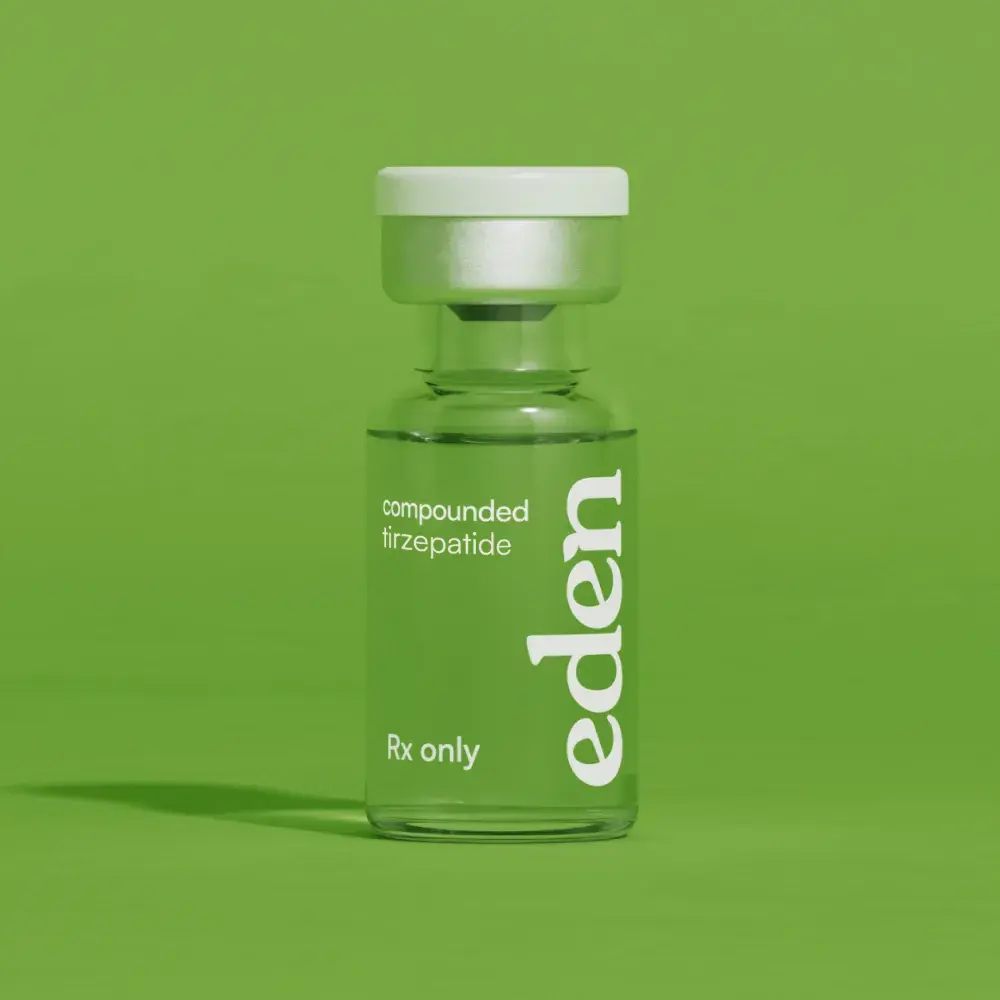
Is Tirzepatide a GLP-1? How It Compares to Other GLP-1 Medications




Is tirzepatide a GLP-1, like semaglutide? Not exactly. Learn how tirzepatide works differently, how it compares to other options, and its side effects.
- Is tirzepatide a GLP-1? Partially. Tirzepatide activates GLP-1 receptors, but it’s more accurately classified as a dual GIP/GLP-1 receptor agonist that targets two hormonal pathways instead of one.
- Tirzepatide is FDA-approved as Mounjaro® for type 2 diabetes and Zepbound® for chronic weight management and moderate to severe obstructive sleep apnea in adults with obesity.
- In head-to-head trials, tirzepatide demonstrated clinically meaningful changes in blood sugar and body weight compared to semaglutide, with outcomes varying by dose and individual factors.
- Common side effects are primarily gastrointestinal, including nausea, diarrhea, vomiting, and constipation, which typically improve as the body adjusts during dose escalation.
- Compounded tirzepatide is not FDA-approved; always obtain this medication through a licensed pharmacy with a valid prescription.
This article is for informational purposes only and should not be considered medical advice. Always speak with a licensed healthcare provider before starting any medication, including tirzepatide.
Compounded tirzepatide is not FDA-approved and may only be prescribed when a licensed prescriber determines a clinically significant difference for an identified patient. Compounded medications are not reviewed by the FDA for safety, efficacy, or quality.
Is Tirzepatide a GLP-1?
Sort of, but it’s helpful to first understand what “GLP-1” means here.
GLP-1 receptor agonists, like semaglutide (the active ingredient in Ozempic® and Wegovy®), work by activating one specific pathway in your body, the GLP-1 receptor. When this receptor is activated, it tells the brain to reduce appetite, slow digestion, and help regulate blood sugar.
The tirzepatide peptide, on the other hand, also activates the GLP-1 receptor, but it’s not just a GLP-1 medication. It also works on GIP (glucose-dependent insulinotropic polypeptide), another hormone that helps regulate blood sugar and energy metabolism. By targeting both pathways simultaneously, tirzepatide works through a dual mechanism that traditional GLP-1 medications don’t offer.
So, while tirzepatide does activate GLP-1 receptors (making it partially a GLP-1), it’s more accurately classified as a dual GIP/GLP-1 receptor agonist. You might see it referred to as a “twincretin” for this reason.
How Does Tirzepatide Work?
Simply put, it helps your body manage hunger and blood sugar signals after you eat.
In more detail, here’s what may happen when tirzepatide enters the body:
- Appetite regulation: Tirzepatide affects parts of the brain that control hunger, which may help some people feel full with less food.
- Changes in digestion: Tirzepatide can slow the rate at which food leaves the stomach. This may help you feel full longer and help moderate post-meal blood sugar changes.
- Insulin response: Tirzepatide can stimulate insulin release when blood sugar goes up and may improve how the body responds to insulin over time.
- Glucagon regulation: Tirzepatide reduces glucagon secretion during periods of elevated blood sugar, which helps limit excessive glucose release from the liver.
For some people, this can mean eating less without feeling as hungry, having steadier blood sugar, and seeing changes in body weight. However, results are different for everyone.
{{primary-cta}}
Tirzepatide vs. GLP-1 Medications: Key Differences
Tirzepatide and traditional GLP-1 medications share some similarities, but they’re not the same. Here’s how they compare.
How They Work
Traditional GLP-1 receptor agonists, such as semaglutide, target a single pathway. They bind to GLP-1 receptors to reduce appetite, slow gastric emptying, and support blood sugar control.
Tirzepatide adds a second mechanism. By activating both GIP and GLP-1 receptors, it engages two hormonal pathways that work together to regulate energy balance and glucose metabolism.
Weight Loss and Blood Sugar Changes
In head-to-head trials, tirzepatide demonstrated clinically meaningful reductions in HbA1c (average blood sugar levels) and body weight. Outcomes varied based on dose and individual factors. In the SURPASS-2 trial, participants treated with tirzepatide achieved greater reductions in HbA1c and lost more body weight than those receiving semaglutide over a 40-week period.
In separate weight-management research, the SURMOUNT-1 trial found that some participants experienced substantial weight reduction at higher doses, depending on individual factors and adherence.
Cardiovascular Benefits
With cardiovascular disease listed as the leading cause of death worldwide, heart health is undeniably important. Recent research suggests both tirzepatide and semaglutide may have favorable effects on certain cardiovascular risk factors, though cardiovascular outcome data for tirzepatide are still under investigation.
A study published in Nature Medicine found that both medications were associated with lower cardiovascular risk in adults with type 2 diabetes. Researchers noted that these protective effects may extend beyond weight loss alone, though the exact mechanisms remain under study.
{{primary-cta}}
Tirzepatide Side Effects
Like most medications, tirzepatide comes with potential side effects, particularly when you’re first starting or increasing your dose.
The most common side effects are gastrointestinal, such as:
- Nausea
- Diarrhea
- Vomiting
- Constipation
Fortunately, these effects tend to improve as the body adjusts over the first few weeks.
Potential tirzepatide long-term side effects may include:
- Pancreatitis has been reported in some clinical trials. Because of this, patients with a history of pancreatitis should discuss risks carefully with a licensed healthcare provider.
- Gallbladder-related issues, such as gallstones or gallbladder inflammation, may occur during periods of rapid weight loss.
- Thyroid C-cell tumor risk, based on animal studies in rats. While it’s not yet known whether this applies to humans, tirzepatide is contraindicated for anyone with a personal or family history of medullary thyroid carcinoma (MTC) or Multiple Endocrine Neoplasia syndrome type 2 (MEN 2).
From a regulatory standpoint, tirzepatide is FDA-approved under two brand names:
- Mounjaro® for type 2 diabetes
- Zepbound® for chronic weight management and for the treatment of moderate to severe obstructive sleep apnea in adults with obesity.
All in all, the FDA continues to monitor tirzepatide’s safety after approval, while ongoing studies are evaluating tirzepatide in additional disease areas; these uses are investigational and not FDA-approved.
At the same time, compounded tirzepatide is not FDA-approved. The FDA has issued warnings about unapproved products sold online due to concerns around quality, dosing accuracy, and overall safety. If tirzepatide is being considered, it should come from a licensed pharmacy with a valid prescription.
Final Thoughts
So, is tirzepatide a GLP-1? Technically, yes, it does activate GLP-1 receptors. But solely calling it a GLP-1 medication doesn’t tell the whole story. Tirzepatide is a dual GIP/GLP-1 receptor agonist, meaning it works through two pathways rather than one.
At the end of the day, the right choice depends on your health goals, medical history, and how your body responds—factors only a licensed healthcare provider can help you evaluate.












The FDA does not approve compounded medications for safety, quality, or manufacturing. Prescriptions and a medical evaluation are required for certain products. The information provided on this blog is for general informational purposes only. It is not intended as a substitute for professional advice from a qualified healthcare professional and should not be relied upon as personal health advice. The information contained in this blog is not meant to diagnose, treat, cure, or prevent any disease. Readers are advised to consult with a qualified healthcare professional for any medical concerns, including side effects. Use of this blog's information is at your own risk. The blog owner is not responsible for any adverse effects or consequences resulting from the use of any suggestions or information provided in this blog.
Eden is not a medical provider. Eden connects individuals with independent licensed healthcare providers who independently evaluate each patient to determine whether a prescription treatment program is appropriate. All prescriptions are written at the sole discretion of the licensed provider. Medications are filled by state-licensed pharmacies. Please consult a licensed healthcare provider before making any medical decisions.
Frequently asked questions
What’s the difference between tirzepatide and semaglutide?

Tirzepatide is a dual GIP/GLP-1 receptor agonist that activates two hormonal pathways. Meanwhile, semaglutide is a GLP-1 receptor agonist that targets only one.
Is tirzepatide FDA-approved?
Yes, tirzepatide is FDA-approved as Mounjaro® for type 2 diabetes and as Zepbound® for chronic weight management and moderate to severe obstructive sleep apnea in adults with obesity.
Is tirzepatide safe long-term?
Long-term safety data is still being collected, but clinical trials lasting up to 72 weeks have shown a manageable safety profile. Serious but rare risks include pancreatitis, gallbladder issues, and a boxed warning for thyroid C-cell tumors; thus, ongoing monitoring and guidance by a licensed provider is essential.
What are the side effects of tirzepatide?
The most common side effects are gastrointestinal, such as nausea, diarrhea, vomiting, and constipation, especially during dose escalation. More serious but rare side effects may also include pancreatitis, gallbladder disease, and thyroid issues.
How do the side effects of tirzepatide compare to those of other GLP-1 medications?
The side effect profile is similar to traditional GLP-1s, such as semaglutide; gastrointestinal symptoms are most common, and serious risks like pancreatitis and gallbladder issues apply to both. Working with a licensed provider can help determine which is right for you.
Related articles









Collins, L., & Costello, R. A. (2024, February 29). Glucagon-Like peptide-1 receptor agonists. StatPearls - NCBI Bookshelf. https://www.ncbi.nlm.nih.gov/books/NBK551568/
Frías, J. P., Davies, M. J., Rosenstock, J., Pérez Manghi, F. C., Fernández Landó, L., Bergman, B. K., Liu, B., Cui, X., Brown, K., & SURPASS-2 Investigators (2021). Tirzepatide versus Semaglutide Once Weekly in Patients with Type 2 Diabetes. The New England journal of medicine, 385(6), 503–515. https://doi.org/10.1056/NEJMoa2107519
Gasbjerg, L. S., Gabe, M. B. N., Hartmann, B., Christensen, M. B., Knop, F. K., Holst, J. J., & Rosenkilde, M. M. (2018). Glucose-dependent insulinotropic polypeptide (GIP) receptor antagonists as anti-diabetic agents. Peptides, 100, 173–181. https://doi.org/10.1016/j.peptides.2017.11.021
Jastreboff, A. M., Aronne, L. J., Ahmad, N. N., Wharton, S., Connery, L., Alves, B., Kiyosue, A., Zhang, S., Liu, B., Bunck, M. C., Stefanski, A., & SURMOUNT-1 Investigators (2022). Tirzepatide Once Weekly for the Treatment of Obesity. The New England journal of medicine, 387(3), 205–216. https://doi.org/10.1056/NEJMoa2206038
Krüger, N., Schneeweiss, S., Desai, R. J., Sreedhara, S. K., Kehoe, A. R., Fuse, K., Hahn, G., Schunkert, H., & Wang, S. V. (2026). Cardiovascular outcomes of semaglutide and tirzepatide for patients with type 2 diabetes in clinical practice. Nature medicine, 32(1), 342–352. https://doi.org/10.1038/s41591-025-04102-x
MOUNJARO. (2022). Highlights of prescribing information. https://www.accessdata.fda.gov/drugsatfda_docs/label/2022/215866s000lbl.pdf
OZEMPIC. (2023). Highlights of prescribing information. https://www.accessdata.fda.gov/drugsatfda_docs/label/2023/209637s020s021lbl.pdf
WEGOVY. (2023). WEGOVY (semaglutide) injection, for subcutaneous use. https://www.accessdata.fda.gov/drugsatfda_docs/label/2023/215256s007lbl.pdf
ZEPBOUND. (2024). Highlights of prescribing information. https://www.accessdata.fda.gov/drugsatfda_docs/label/2024/217806s003lbl.pdf
Thank you!
We'll be in touch.
Thank you!