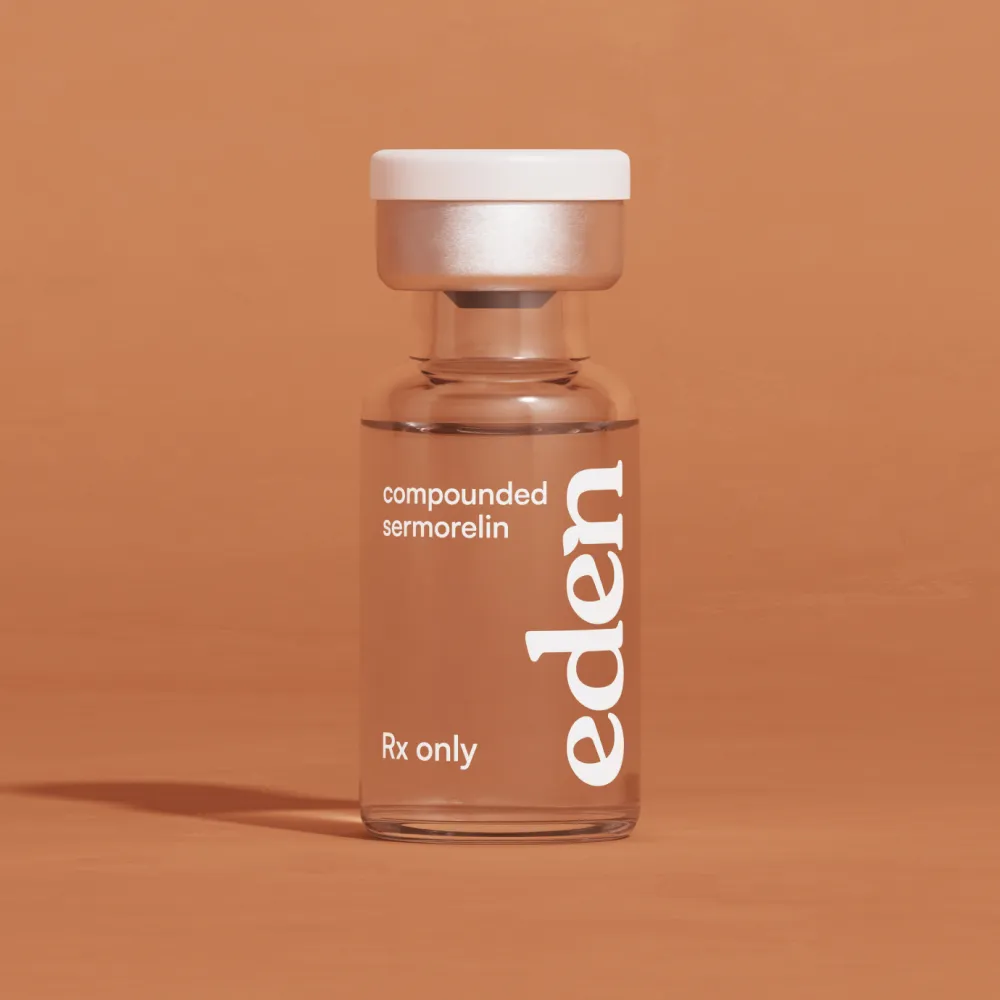
Sermorelin for Muscle Growth: How It May Support Recovery and Performance




Discover how sermorelin may support muscle growth and workout recovery. Learn about dosing for bodybuilding, muscle fatigue, and what to expect.
- Taking sermorelin for muscle growth may support the body’s natural growth hormone (GH) release, which is involved in muscle repair and recovery.
- For individuals experiencing muscle fatigue or slower post-workout recovery, sermorelin therapy may support normal recovery processes when prescribed by a licensed provider.
- Dosing varies by individual. Most protocols range from 200 to 300 mcg per day, but a licensed healthcare provider will determine what’s right for you. Estimated range only; not dosing instructions.
- Sermorelin works best when combined with consistent training, proper nutrition, and adequate sleep.
This content is for informational purposes only and is not intended as medical advice, diagnosis, or treatment. Always consult with a licensed healthcare provider before starting any new therapy. Sermorelin requires a prescription and should only be used under medical supervision. Compounded sermorelin is not FDA-approved and doesn’t undergo FDA review for safety, effectiveness, or manufacturing quality.
What is Sermorelin?
In the bodybuilding and weightlifting world, sermorelin has been gaining some hype. This is largely due to its impacts on the growth hormone (GH), which is involved in tissue repair, metabolism, and the maintenance of lean body mass. But how does sermorelin work exactly? Does it have benefits for muscle growth?
Sermorelin is a synthetic peptide that mimics the growth hormone-releasing hormone (GHRH), a substance your body naturally produces to signal the pituitary gland to release GH.
Instead of replacing GH directly, sermorelin prompts your pituitary gland to produce and release more of its own. The idea is that this may support your body’s natural rhythm, including the larger GH pulses that occur during deep sleep. In turn, this may be of interest to physically active adults seeking to support muscle recovery and body composition as part of a broader training and wellness routine.
{{primary-cta}}
How Sermorelin May Support Muscle Growth and Recovery
Starting around age 30, your body’s growth hormone (GH) production begins to decline by roughly 14% each decade. Thus, sermorelin’s potential benefits are tied to its effect on the growth hormone and how that hormone influences muscle repair, recovery, and adaptation to training.
Protein Synthesis and Lean Muscle
GH is involved in protein synthesis, the process your body uses to repair and build muscle fibers after exercise. By supporting natural GH production, sermorelin may help support the physiological processes involved in lean muscle maintenance.
However, this takes time; in other words, consistent use alongside a solid training program may lead to gradual improvements in muscle tone and composition.
Faster Recovery and Reduced Muscle Fatigue
Muscle fatigue and prolonged soreness can stall progress and make it harder to stay consistent with training. Because GH is involved in tissue repair, sermorelin therapy may support recovery between training sessions in some individuals. And this could mean you can get back to training sooner and with less discomfort.
Sleep and Repair
GH is released in pulses, with the largest surge happening during deep sleep. Interestingly, sermorelin is typically administered before bed to align with this natural rhythm.
In fact, better GH output during sleep may enhance overnight recovery, which is when your muscles do most of their rebuilding. Some individuals report changes in sleep as one of the earlier benefits they notice. However, responses vary and are not guaranteed.
What to Expect
So, what kind of timeline should you expect? What’s the typical dosage? Here’s what you should know about sermorelin dosing and when you might start noticing results.
Sermorelin Dosage for Bodybuilding
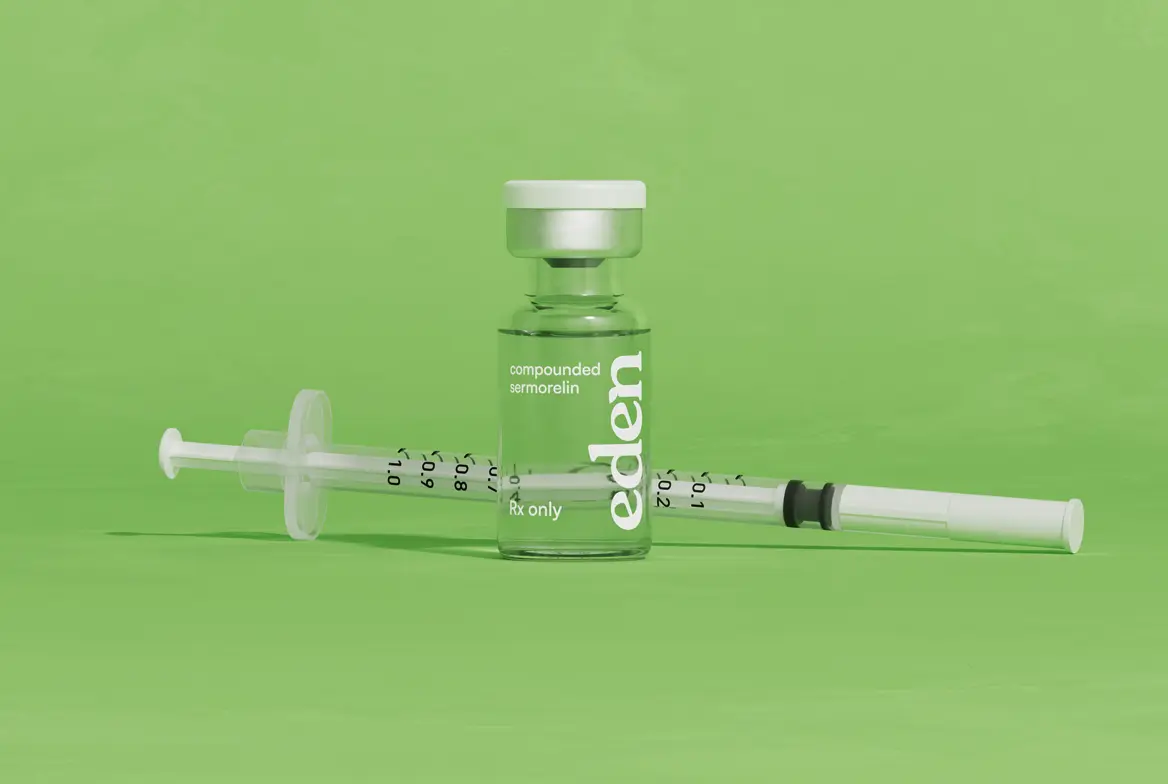
While there’s no universal protocol, most adults start with a daily dose of 200–300 mcg, administered by subcutaneous injection at bedtime, but a licensed healthcare provider will determine what’s right for you.
Because GH release naturally peaks during sleep, sermorelin is typically taken in the evening. With that said, dosing should always be determined by a licensed healthcare provider. Ultimately, your age, body weight, baseline hormone levels, and individual response all play a role in what’s right for you and your goals.
General Timeline
As aforementioned, sermorelin works gradually by supporting your body’s natural hormone production. Some individuals report improved sleep and energy within the first few weeks. By months two and three, changes in recovery time, muscle tone, and body composition may become more noticeable. Full results typically develop over three to six months of consistent use alongside training and proper nutrition.
Potential Side Effects
Sermorelin is generally well tolerated, but like any therapy, side effects can occur. The most common include redness, swelling, or irritation at the injection site. Some people also report headaches, flushing, dizziness, or nausea, which are typically mild and often improve as the body adjusts.
Less commonly, longer-term use may be associated with fluid retention, carpal tunnel–like symptoms, or changes in insulin sensitivity, particularly at higher doses. While these effects are rare, any new or unusual symptoms should be discussed promptly with a qualified healthcare provider.
{{primary-cta}}
What Helps Sore Muscles After a Workout?
Sermorelin can be a valuable tool, but it works best as part of a broader plan. If you’re wondering what helps sore muscles after a workout, or how to speed up muscle strain recovery in general, the fundamentals matter, too. These include:
- Protein and Nutrition: Your muscles need amino acids to repair and grow. Prioritizing protein intake (especially after training) and eating a balanced diet rich in whole foods gives your body the raw materials it needs to recover.
- Hydration: Dehydration can worsen muscle soreness and slow down recovery. Staying consistently hydrated supports nutrient delivery, waste removal, and overall muscle function.
- Sleep: GH release, tissue repair, and muscle recovery all peak during deep sleep. If you’re sleep deprived, you’re undercutting everything else you’re doing.
- Rest Days: More training isn’t always better. Scheduled rest days allow muscles to rebuild and help prevent overuse injuries. Active recovery, such as light movement or stretching, can also support circulation and reduce stiffness.
- Supplementation: Depending on your needs, supplements, such as creatine, magnesium, or omega-3s, may also support recovery.
Is Sermorelin Right for You?
Sermorelin may be worth exploring if you’re an active adult experiencing slower recovery times, persistent muscle fatigue, or difficulty maintaining lean muscle despite consistent training. It’s also commonly considered by individuals noticing age-related changes.
If you’ve dialed in your nutrition, sleep, and programming but still feel like recovery is holding you back, sermorelin therapy might help fill that gap. Talking with a licensed healthcare provider can help determine if it’s right for you.
Who Should Avoid Sermorelin?
Sermorelin isn’t appropriate for everyone. You should avoid this therapy if you’re pregnant or breastfeeding, have a known allergy to sermorelin, or have active cancer. Those with untreated hypothyroidism should also use it with caution; thyroid function can influence how the body responds to GH stimulation.
Talk to a Provider
Because sermorelin is a prescription therapy, working with a licensed healthcare provider is essential and necessary. They’ll evaluate your health history, discuss your goals, and determine whether sermorelin is a good fit. If it is, they’ll establish the right dosage and monitor your progress over time—making adjustments as needed to keep you on track.
Final Thoughts
By supporting natural growth hormone signaling, sermorelin may play a role in physiological processes related to recovery and muscle maintenance when used under medical supervision.
Similar to other therapies, however, it works best when paired with the basics, including solid training, balanced nutrition, quality sleep, and proper medical oversight.









The FDA does not approve compounded medications for safety, quality, or manufacturing. Prescriptions and a medical evaluation are required for certain products. The information provided on this blog is for general informational purposes only. It is not intended as a substitute for professional advice from a qualified healthcare professional and should not be relied upon as personal health advice. The information contained in this blog is not meant to diagnose, treat, cure, or prevent any disease. Readers are advised to consult with a qualified healthcare professional for any medical concerns, including side effects. Use of this blog's information is at your own risk. The blog owner is not responsible for any adverse effects or consequences resulting from the use of any suggestions or information provided in this blog.
Eden is not a medical provider. Eden connects individuals with independent licensed healthcare providers who independently evaluate each patient to determine whether a prescription treatment program is appropriate. All prescriptions are written at the sole discretion of the licensed provider. Medications are filled by state-licensed pharmacies. Please consult a licensed healthcare provider before making any medical decisions.
Frequently asked questions
How much sermorelin do bodybuilders take?

Most adults start with a daily dose of 200–300 mcg, administered by subcutaneous injection at bedtime. Your provider will determine the right dose based on your individual needs and goals.
How long does it take for sermorelin to work?
Some individuals notice improved sleep and energy within the first few weeks, with other changes potentially emerging over two to three months.
Will sermorelin make my muscles bigger?
Sermorelin supports natural growth hormone (GH) production, which plays a role in muscle repair and lean mass development. Yet, it’s not a steroid and won’t cause rapid size gains, but over time, it may support muscle maintenance and body composition when combined with training and proper nutrition.
Does sermorelin help with muscle soreness?
It may. GH is involved in tissue repair, which may help reduce post-workout soreness and shorten recovery time between sessions.
Related articles







Garcia, J. M., Merriam, G. R., & Kargi, A. Y. (2019, October 7). Growth hormone in aging. Endotext - NCBI Bookshelf. https://www.ncbi.nlm.nih.gov/books/NBK279163/
Ishida, J., Saitoh, M., Ebner, N., Springer, J., Anker, S. D., & Von Haehling, S. (2020). Growth hormone secretagogues: history, mechanism of action, and clinical development. JCSM Rapid Communications, 3(1), 25–37. https://doi.org/10.1002/rco2.9
Møller, N., Copeland, K. C., & Nair, K. S. (2007). Growth hormone effects on protein metabolism. Endocrinology and metabolism clinics of North America, 36(1), 89–100. https://doi.org/10.1016/j.ecl.2006.11.001
Moyle, G. J., Daar, E. S., Gertner, J. M., Kotler, D. P., Melchior, J. C., O'brien, F., Svanberg, E., & Serono 9037 Study Team (2004). Growth hormone improves lean body mass, physical performance, and quality of life in subjects with HIV-associated weight loss or wasting on highly active antiretroviral therapy. Journal of acquired immune deficiency syndromes (1999), 35(4), 367–375. https://doi.org/10.1097/00126334-200404010-00006
NICE. (2003, August 27). 2 Clinical need and practice | Human growth hormone (somatropin) in adults with growth hormone deficiency | Guidance | NICE. https://www.nice.org.uk/guidance/ta64/chapter/2-clinical-need-and-practice
Takahashi, Y., Kipnis, D. M., & Daughaday, W. H. (1968). Growth hormone secretion during sleep. The Journal of clinical investigation, 47(9), 2079–2090. https://doi.org/10.1172/JCI105893
Thank you!
We'll be in touch.
Thank you!