Is HRT Safe? Benefits, Risks, and What to Know




Is HRT safe? Here’s what the evidence actually says about hormone replacement therapy, including cancer risk, heart health, and candidacy.
- Is HRT safe? In February 2026, the FDA initiated updates to labeling for certain hormone replacement therapy (HRT) products, reflecting evolving evidence and a more individualized understanding of risks and benefits.
- According to The Menopause Society’s (formerly NAMS) 2022 position statement, the benefits of HRT generally outweigh the risks for most healthy, symptomatic women under 60 who are within 10 years of menopause onset.
- HRT remains the most effective treatment available for vasomotor symptoms, including hot flashes and night sweats, and it may also help prevent bone loss and fractures.
- The cancer risk associated with HRT depends on the type of therapy, how long you use it, and your individual health profile.
- Breast cancer risk may vary depending on the type of therapy, duration of use, and individual risk factors; estrogen-only therapy may carry a different risk profile than combined therapy.
- Even with these recent updates, your age, when you start, how you take it, and your health history all play a role in whether HRT is right for you, which is why working with a licensed provider still matters.
This article is for informational purposes only and is not intended as medical advice. Consult a licensed healthcare provider before starting, stopping, or adjusting any medication or hormone therapy. Individual results may vary.
Hormone replacement therapy has been around for decades, but the conversation around it has changed, more than once. For years, HRT was widely prescribed. Then came a wave of fear driven largely by one major study. Women became reluctant to try it, and providers were hesitant to prescribe it.
Today, the picture looks very different than it did 20 years ago. Researchers have revisited and refined the data. Medical organizations have updated their guidelines. And in late 2025, the FDA announced updates to hormone therapy labeling that reflect evolving evidence and a more nuanced understanding of benefit-risk profiles.
Does that mean HRT is safe for everyone? Not necessarily. But it does mean the evidence now paints a much more balanced picture than the one many women grew up hearing. This article walks through what hormone replacement therapy actually is, what the current evidence says, and how to figure out whether it may be appropriate for you.
What Is Hormone Replacement Therapy?
Hormone replacement therapy involves supplementing the hormones, primarily estrogen and sometimes progesterone, that your body produces less of during and after menopause. This decline drives many of the symptoms women experience during this transition, such as hot flashes, night sweats, vaginal dryness, mood changes, sleep disruption, and more.
There are two main types of HRT. These include:
- Estrogen-only therapy (ET): This HRT is typically prescribed for women who’ve had a hysterectomy.
- Combined estrogen-progestogen therapy (EPT): EPT is used for women who still have a uterus, because progesterone helps protect the uterine lining from the effects of unopposed estrogen.
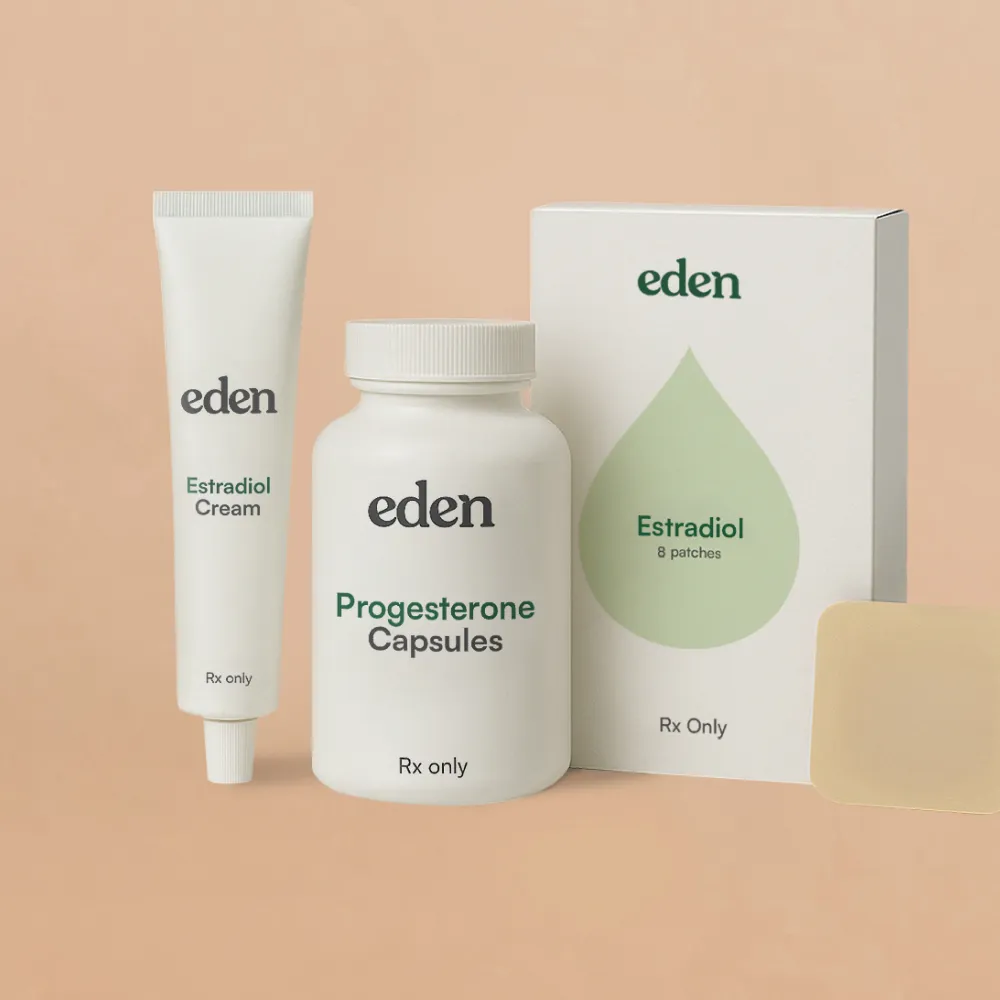
HRT comes in several forms. Including oral tablets, transdermal patches, topical gels and creams, and vaginal rings. As we’ll cover below, the route of administration may influence certain risks, particularly those related to blood clots and stroke.
Is HRT Safe? What the Research Actually Says
Much of the fear around HRT traces back to the Women’s Health Initiative (WHI), a large clinical trial that published its initial findings in 2002. The study reported increased risks of breast cancer, heart disease, stroke, and blood clots in women taking combined estrogen-progestogen therapy.
The findings made headlines everywhere. Millions of women stopped HRT, and in 2003, the FDA placed its strongest safety alert, a black box warning, on all estrogen-containing menopause treatments.
In the years that followed, researchers took a closer look at the data and found the picture was more nuanced than the initial reports suggested. For instance, a key issue noted was that the average age of participants in the WHI was 63, and many were more than a decade past menopause.
Reanalysis of the data showed that for women in their 50s who started therapy closer to menopause onset, the benefit-risk ratio looked very different. The specific formulation studied, oral conjugated equine estrogens combined with medroxyprogesterone acetate, is also not representative of the broader range of hormone therapy options available today.
What the Evidence Says Today
The 2022 Hormone Therapy Position Statement from The Menopause Society (formerly the North American Menopause Society) states that for most healthy, symptomatic women under 60 who are within 10 years of menopause onset, the benefits of hormone therapy outweigh the risks.
The statement, which has been endorsed by more than 20 international medical organizations, also recommends risk stratification by age and time since menopause.
Then, in February 2026, the FDA updated labeling for certain hormone therapy products following reanalysis of earlier data, reflecting a more nuanced understanding of the risks and benefits than was previously communicated.
Additionally, the FDA’s labeled recommendation is now to consider timing of initiation, such as within 10 years of menopause onset or before age 60, as part of an individualized benefit-risk assessment.
At the same time, this decision has drawn some debate. While major organizations, including the American College of Obstetricians and Gynecologists (ACOG), have supported the change, some experts have emphasized that updating the warning label doesn’t eliminate all risk.
The FDA also chose to keep the boxed warning for endometrial cancer on systemic estrogen-alone products. For women with a personal or family history of breast cancer, discussions with a provider remain especially important.
The Menopause Society also notes that transdermal routes of administration (such as patches and gels) and lower doses of hormone therapy may reduce the risk of venous thromboembolism (blood clot) and stroke compared to oral formulations. And this can be an important consideration when working with a provider to determine the best approach for you.
HRT Pros and Cons
Potential benefits of HRT include:
- HRT is the most effective available treatment for vasomotor symptoms such as hot flashes and night sweats, which can significantly disrupt daily life and sleep.
- HRT may help prevent bone loss and reduce fracture risk over time.
- Evidence shows that HRT can relieve genitourinary symptoms, like vaginal dryness, which affect many women during and after menopause.
- The FDA’s updated labeling reflects ongoing research evaluating potential broader health outcomes, though findings vary and should be interpreted in the context of individual patient factors.
- HRT may also improve mood and sleep quality during the menopausal transition.
For women who experience premature or early menopause, or primary ovarian insufficiency, HRT may be especially important. These women face higher risks of bone loss, cardiovascular disease, and cognitive or mood-related concerns due to early estrogen deficiency. The Menopause Society recommends that hormone therapy can be used until at least the mean age of natural menopause unless there’s a contraindication.
Potential risks of HRT, on the other hand, may include:
- Combined estrogen-progestogen therapy may carry a small increased risk of breast cancer with longer-term use, though short-term use may have a different risk profile depending on duration and individual factors.
- Estrogen-only therapy appears to have a different risk profile; in the WHI trial follow-up among women with prior hysterectomy, it was associated with lower breast cancer incidence, although breast cancer risk may still increase with longer-term use, and individual factors matter.
- There is an increased risk of venous thromboembolism and gallbladder disease, particularly with oral formulations.
- The boxed warning for endometrial cancer remains on estrogen-alone products for women who have a uterus, which is why combined therapy or appropriate monitoring is used in those cases.
Overall, the risks depend heavily on the type of HRT, the dose, the delivery method, and how long you use it. And, for some women, the benefits may significantly outweigh them.
Who May Be a Good Candidate for HRT (and Who Should Be Cautious)
You may be a strong candidate if:
- You’re under 60, within 10 years of menopause onset
- You’re experiencing bothersome vasomotor or genitourinary symptoms
- You don’t have contraindications, including a history of certain hormone-sensitive cancers, active liver disease, unexplained vaginal bleeding, or a history of blood clots.
You may need a more cautious approach or alternative treatments if you’re more than 10 years past menopause, have a personal history of breast cancer, or have cardiovascular risk factors that could shift your benefit-risk balance.
With that said, even in some of these cases, low-dose vaginal estrogen therapy may still be appropriate for genitourinary symptoms. Observational data cited by The Menopause Society suggest it appears safe for select survivors of breast and endometrial cancer who haven’t responded to non-hormone options.
Starting HRT closer to the onset of menopause appears to be associated with a more favorable benefit-risk profile, particularly for cardiovascular and cognitive health. The FDA’s updated labeling now reflects this, noting that timing of initiation—such as within 10 years of menopause onset or before age 60—should be considered as part of an individualized benefit-risk assessment.
How to Talk to Your Provider About Hormone Therapy Safety
If you’re considering HRT, the most important step is to have a discussion with a licensed healthcare provider who understands your full health picture.
Make sure to:
- Share your complete health history, including any family history of breast cancer, cardiovascular disease, or blood clots.
- Ask about the different types and delivery methods available, and which may be most appropriate for your situation.
- Discuss how long you might use HRT and what a reevaluation timeline looks like.
- And be open about the symptoms you’re experiencing and how they’re affecting your day-to-day life.
When used appropriately under medical supervision, HRT may help manage symptoms for some individuals during menopause.
At Eden, we help connect you with licensed healthcare providers who can help determine what’s best for you and your situation. You can start by filling out a simple online intake and get matched with a licensed provider who reviews your history and symptoms. If hormone therapy is appropriate, your provider will walk you through the options, monitor your progress, and adjust as needed.









The FDA does not approve compounded medications for safety, quality, or manufacturing. Prescriptions and a medical evaluation are required for certain products. The information provided on this blog is for general informational purposes only. It is not intended as a substitute for professional advice from a qualified healthcare professional and should not be relied upon as personal health advice. The information contained in this blog is not meant to diagnose, treat, cure, or prevent any disease. Readers are advised to consult with a qualified healthcare professional for any medical concerns, including side effects. Use of this blog's information is at your own risk. The blog owner is not responsible for any adverse effects or consequences resulting from the use of any suggestions or information provided in this blog.
Eden is not a medical provider. Eden connects individuals with independent licensed healthcare providers who independently evaluate each patient to determine whether a prescription treatment program is appropriate. All prescriptions are written at the sole discretion of the licensed provider. Medications are filled by state-licensed pharmacies. Please consult a licensed healthcare provider before making any medical decisions.
Frequently asked questions
Does HRT increase cancer risk?

It depends on the type and duration of therapy. Different HRTs may have a different risk profile depending on duration and formulation. Estrogen-only therapy does not appear to carry the same breast cancer risk as combined estrogen-progestogen therapy, and some data suggest it may be associated with a lower risk in certain populations or study periods.
Is hormone replacement therapy dangerous?
For most healthy women under 60 and within 10 years of menopause, current evidence suggests the benefits of HRT generally outweigh the risks. Whether it’s appropriate for you depends on your individual circumstances, which is why it’s important to seek help from a licensed healthcare provider.
What are the main HRT risks and benefits?
Benefits may include relief from hot flashes, night sweats, and vaginal dryness, as well as prevention of bone loss and potential improvements in mood and sleep. Risks may include blood clots and a potential small increase in breast cancer risk with longer-term combined therapy; however, these vary based on age, timing, delivery method, and health history.
Can you take HRT if you have a family history of breast cancer?
A family history of breast cancer doesn’t automatically disqualify you, but it does require careful evaluation. Experts emphasize that even with the updated FDA labeling, women with a personal or family history of breast cancer should weigh the risks and benefits closely with their provider.
What’s the safest form of HRT?
This depends on your health profile and treatment goals. At the same time, transdermal delivery methods (patches and gels) may carry a lower risk of blood clots and stroke than oral formulations, and lower doses may further reduce risk. Your provider can help determine the right fit.
Related articles




ACOG. (n.d.). ACOG. https://www.acog.org/
Edelweishia, M., Christoper, A., Theresia, E., & Angelia, V. (2025). Review of hormonal replacement therapy options for the treatments of menopausal symptoms. Korean journal of family medicine, 46(5), 299–306. https://pmc.ncbi.nlm.nih.gov/articles/PMC12463494/
Faubion, S. S., Crandall, C. J., Davis, L., El Khoudary, S. R., Hodis, H. N., Lobo, R. A., Maki, P. M., Manson, J. E., Pinkerton, J. V., Santoro, N. F., Shifren, J. L., Shufelt, C. L., Thurston, R. C., & Wolfman, W. (2022). The 2022 hormone therapy position statement of The North American Menopause Society. Menopause, 29(7), 767–794. https://journals.lww.com/menopausejournal/abstract/2022/07000/the_2022_hormone_therapy_position_statement_of_the.4.aspx
Khan, S. J., Kapoor, E., Faubion, S. S., & Kling, J. M. (2023). Vasomotor Symptoms During Menopause: A Practical Guide on Current Treatments and Future Perspectives. International journal of women's health, 15, 273–287. https://pmc.ncbi.nlm.nih.gov/articles/PMC9938702/
Manson, J. E., Chlebowski, R. T., Stefanick, M. L., Aragaki, A. K., Rossouw, J. E., Prentice, R. L., Anderson, G., Howard, B. V., Thomson, C. A., LaCroix, A. Z., Wactawski-Wende, J., Jackson, R. D., Limacher, M., Margolis, K. L., Wassertheil-Smoller, S., Beresford, S. A., Cauley, J. A., Eaton, C. B., Gass, M., & Hsia, J. (2013). Menopausal hormone therapy and health outcomes during the intervention and extended poststopping phases of the Women’s Health Initiative randomized trials. JAMA, 310(13), 1353–1368. https://doi.org/10.1001/jama.2013.278040
Media, A. (2022). NAMS 2022 Hormone Therapy Position Statement. Menopause.org.au. https://www.menopause.org.au/health-professionals/position-statements/nams-2022-hormone-therapy-position-statement/
Rossouw, J. E., Anderson, G. L., Prentice, R. L., LaCroix, A. Z., Kooperberg, C., Stefanick, M. L., Jackson, R. D., Beresford, S. A., Howard, B. V., Johnson, K. C., Kotchen, J. M., Ockene, J., & Writing Group for the Women's Health Initiative Investigators (2002). Risks and benefits of estrogen plus progestin in healthy postmenopausal women: principal results from the Women's Health Initiative randomized controlled trial. JAMA, 288(3), 321–333. https://pubmed.ncbi.nlm.nih.gov/12117397/
Zeeshan, F., & Saqlain, A. (2026). FDA's 2025 removal of black box warnings on menopausal hormone therapy. Annals of medicine and surgery (2012), 88(2), 2222–2223. https://pmc.ncbi.nlm.nih.gov/articles/PMC12889233/
Thank you!
We'll be in touch.
Thank you!