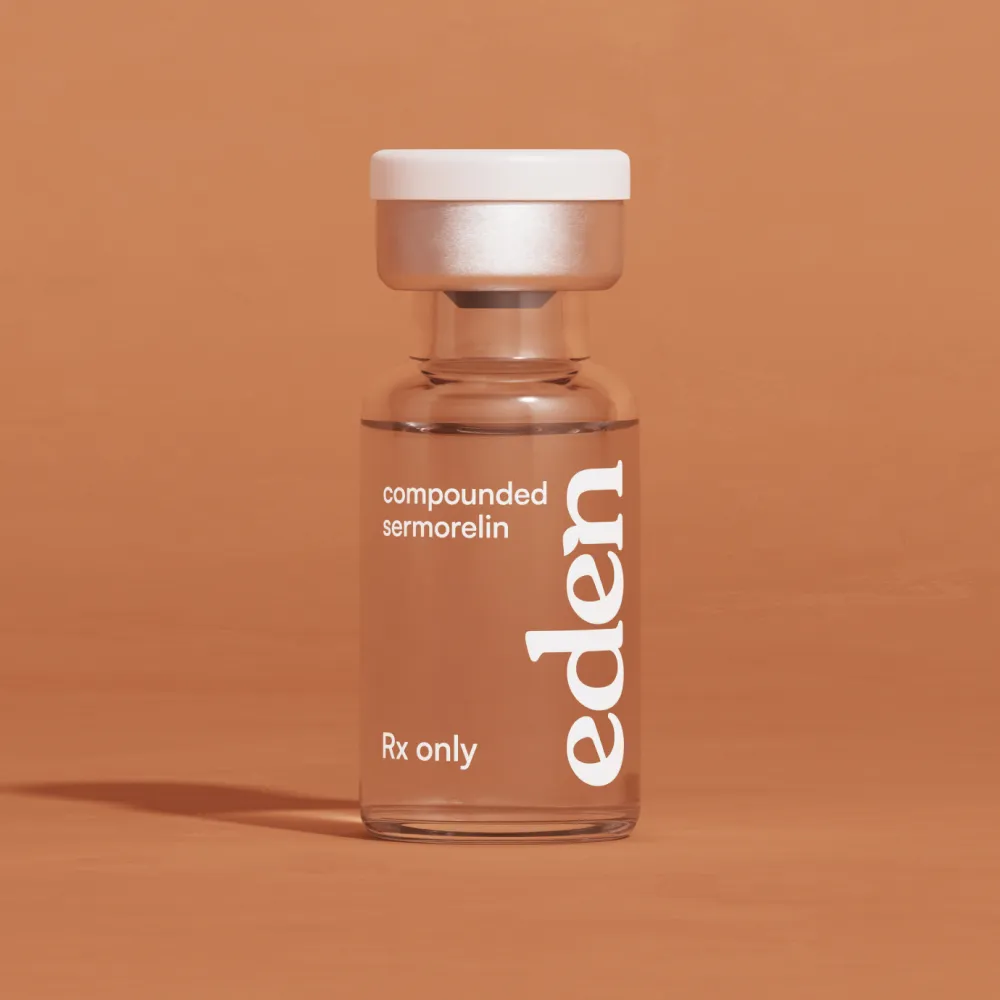
Does Sermorelin Need to Be Refrigerated? Storage Tips



Does sermorelin need to be refrigerated? Learn ideal storage temps, how long it lasts after mixing, and safe travel tips for your peptide.
- Does sermorelin need to be refrigerated? Yes, it’s typically stored in the refrigerator at 36–46°F (2–8°C) to help maintain its stability.
- Short periods at room temperature (often up to about 72 hours when protected with ice packs) may be acceptable, but you should always follow the storage instructions on your prescription label.
- Once it’s mixed with bacteriostatic water, sermorelin is typically used within 30–90 days when it’s refrigerated properly.
- If you’re ever unsure whether sermorelin is still safe to use after a temperature excursion, contact your prescriber or pharmacy before using it.
Important note: When a compounding pharmacy provides sermorelin, it is a prescription medication that is not FDA-approved. The FDA does not review compounded drugs for safety, effectiveness, or manufacturing quality. This article is for general information only and does not replace the instructions from your prescriber or the dispensing pharmacy.
Does sermorelin need to be refrigerated, or can you leave it at room temperature? This question comes up frequently among patients starting peptide therapy.
Sermorelin must be refrigerated. The peptide needs to be stored between 36°F and 46°F (2°C to 8°C) to maintain its potency. But don't worry if you accidentally leave your sermorelin unrefrigerated. The medication can usually remain effective for up to 72 hours at room temperature when stored in an insulated container with ice packs. But you should always follow the specific storage instructions on your prescription label.
Proper sermorelin storage is essential to supporting your treatment plan. When mixed with bacteriostatic water or saline solution, sermorelin remains stable for about 30 days when refrigerated properly. The unmixed peptide lasts even longer. It maintains stability for 3–4 months at –20°C and up to a year at –80°C.
This piece covers everything you need to know about storing sermorelin correctly. You'll learn what happens if it's left out too long and get practical tips for keeping it in good condition during travel or daily use.
Why Sermorelin Needs Refrigeration
Sermorelin has a delicate peptide structure that needs proper refrigeration to work as intended. Most medications stay stable at room temperature, but peptides need specific storage conditions to keep their molecular structure intact.
How temperature affects peptide stability
Temperature is vital to peptide stability. Sermorelin can quickly lose its potency and effectiveness at higher temperatures because it consists of amino acid chains. The peptide becomes unstable when temperatures go above the recommended range of 36–46°F (2–8°C).
Laboratory tests show that peptides have high thermal stability, meaning they remain stable at elevated temperatures. Substantial mass loss happens only above 230°C. However, pharmaceutical-grade sermorelin reacts much more sensitively to daily temperature changes. The medication starts losing potency even with brief exposure to temperatures above 46°F (8°C).
Sudden or frequent temperature changes can damage the medication more than keeping it at a consistent, moderate temperature. The medication's growth hormone-releasing properties are best preserved when you keep its delicate amino acid chain structure refrigerated consistently.
What happens if sermorelin is left unrefrigerated?
Your sermorelin doesn't become useless right away if left unrefrigerated. The peptide can remain effective at room temperatures up to 77°F (25°C) for a short time. The medication can maintain its effectiveness for up to 72 hours at room temperature when it’s stored in an insulated container with ice packs.
Keeping the medication at room temperature speeds up its breakdown and gradually lowers the amount of active medication in the vial. You should replace the medication after 72 hours at room temperature, unless your prescriber or the dispensing pharmacy has given you different instructions for your specific prescription. This short-term stability allows shipping without refrigeration, but you have to refrigerate it right after receiving it.
Does sermorelin need to be refrigerated before mixing?
Storage needs depend on the form of sermorelin: either as a powder (lyophilized) or as a mixed (reconstituted) solution. You should keep unmixed sermorelin refrigerated at 36–46°F (2–8°C). Some sources say that room-temperature storage (68–77°F/20–25°C) is suitable for unmixed vials. However, most medical guidelines suggest refrigeration for the longest shelf life and best potency.
Refrigeration becomes necessary after mixing with bacteriostatic water. Mixed sermorelin becomes much more vulnerable to environmental conditions. The solution state speeds up potential degradation compared to the more stable powder form.
Avoid freezing and light exposure
Cold temperatures help preserve sermorelin, but freezing can permanently damage it. Ice crystals alter the medication's molecular structure, making it ineffective. Light exposure poses another risk as it breaks down sermorelin's active components. The vials should remain in their original boxes or dark containers, stored in clean, dry refrigerator locations away from freezing areas. Bathroom storage should be avoided, as humidity can break the seal and increase contamination risks.
{{primary-cta}}
Short-Term Storage and Travel Tips
Traveling with sermorelin requires careful planning to keep it within a safe temperature range, especially when you can't refrigerate it right away. You can generally transport this medication without significantly affecting its potency if you prepare it properly.
How to store sermorelin during travel
Your trips away from home need proper temperature control for sermorelin, but it's not complicated. The best storage condition is refrigeration between 36–46°F (2–8°C). Sermorelin can be stored at room temperature for a short time when you can't refrigerate it right away. You should plan your injections around your travel schedule to keep the time without refrigeration as brief as possible, ideally with guidance from your healthcare provider.
Using coolers and ice packs
Insulated cooler bags are a great way to store sermorelin temporarily while traveling. These work just like the methods that insulin-dependent diabetics use. Here's what works best:
- Pick a canvas or insulated cooler bag instead of heavy hard coolers
- Use the medical-grade ice packs that came with your sermorelin shipment
- Keep medication in sealed plastic containers inside the cooler to avoid water damage
- Replace ice packs during long trips whenever you can
You should put both your medication and ice packs in a refrigerator as soon as you arrive at your destination. Ask for a room with a fridge at hotels, or find out how to use their shared refrigeration facilities.
Room temperature limits and safety window
Sermorelin is generally stable at room temperature for up to 72 hours when stored properly, but you should always follow the specific storage instructions on your prescription label. This gives you enough flexibility for weekend trips or times when you might not have constant access to refrigeration.
You should call your healthcare provider to get replacement medication if it remains unrefrigerated for more than 72 hours. Try to avoid temperatures above 46°F (8°C), as even brief temperature spikes can start reducing how well it works.
With good planning, you can travel with sermorelin and still keep up with your treatment schedule while maintaining recommended storage conditions.
{{primary-cta}}
Handling, Monitoring, and Shelf Life
The right way to handle sermorelin is a vital part of storage, just as keeping it at the correct temperature is. Even if your medication is stored correctly, it can still be compromised if you don't handle it properly.
Sterile handling and reconstitution tips
You should always wash your hands before handling sermorelin vials. The rubber stopper needs to be cleaned with an alcohol swab before you insert any needle. To reconstitute, add bacteriostatic water slowly along the glass wall, then swirl gently until completely dissolved. This gentle approach protects the delicate peptide structure.
The solution should stay clear and colorless after reconstitution. Use sterile technique to draw your dose and switch injection sites regularly to avoid tissue damage.
How to check if sermorelin has gone bad
Take a close look at your sermorelin before each use. You should throw it away if you notice:
- The solution becomes cloudy or discolored
- Particles that stay undissolved
- Strange smells are coming from the vial
Reconstituted sermorelin breaks down faster unless you store it at 36–46°F. Any changes in how it looks may indicate it's breaking down and may not be suitable for use. If you’re unsure whether it’s still safe to use, contact your prescriber or the dispensing pharmacy before using it.
Labeling and rotating vials for safety
Put the date on each vial right after you mix it. This helps you track its 30–90 day shelf life. A good rotation system lets you use older vials first, preventing waste and keeping the medication at full strength.
Note that you need to dispose of sermorelin properly, even if you handled it correctly. Always put used needles in FDA-cleared sharps containers.
Conclusion
Proper storage of sermorelin is crucial when using this peptide treatment. This piece explains why keeping it refrigerated at 36–46°F (2–8°C) helps maintain its potency. The medication won't become useless right away if left at room temperature, but refrigeration supports its long-term stability.
Note that storage needs change substantially after mixing the solution. Unmixed sermorelin stays stable in the fridge, but once mixed, it has a shelf life of 30–90 days. Temperature control becomes even more important during this time.
You don't have to stop your sermorelin therapy while traveling. Insulated coolers with ice packs can help protect your medication during short trips, often up to 72 hours depending on certain conditions and your pharmacy’s guidance. The peptide should be returned to the fridge as soon as possible to preserve its quality.
Check your medication regularly through visual inspection. Your sermorelin is generally acceptable to use if the solution remains clear, free of particles or color changes, and within the labeled discard date. Label containers with mixing dates to track shelf life and avoid using expired medication.
Taking care to store sermorelin correctly supports safe, consistent use throughout your treatment. While peptide therapy needs attention to detail, these simple storage steps are worth the effort and can help you follow your treatment plan with confidence.








The FDA does not approve compounded medications for safety, quality, or manufacturing. Prescriptions and a medical evaluation are required for certain products. The information provided on this blog is for general informational purposes only. It is not intended as a substitute for professional advice from a qualified healthcare professional and should not be relied upon as personal health advice. The information contained in this blog is not meant to diagnose, treat, cure, or prevent any disease. Readers are advised to consult with a qualified healthcare professional for any medical concerns, including side effects. Use of this blog's information is at your own risk. The blog owner is not responsible for any adverse effects or consequences resulting from the use of any suggestions or information provided in this blog.
Eden is not a medical provider. Eden connects individuals with independent licensed healthcare providers who independently evaluate each patient to determine whether a prescription treatment program is appropriate. All prescriptions are written at the sole discretion of the licensed provider. Medications are filled by state-licensed pharmacies. Please consult a licensed healthcare provider before making any medical decisions.
Frequently asked questions
Why is refrigeration necessary for sermorelin?

Sermorelin requires refrigeration between 36–46°F (2–8°C) to maintain its potency and stability. The peptide's delicate structure can degrade more quickly at higher temperatures, which may affect how your prescriber intends it to be used.
What happens if sermorelin is left unrefrigerated?
If left unrefrigerated, sermorelin can remain stable for up to 72 hours at room temperature when kept in an insulated container with ice packs. However, extended exposure to room temperature accelerates degradation and may reduce the amount of active medication in the vial. Always follow your pharmacy’s instructions about what to do after a temperature excursion.
How long does sermorelin last after mixing?
Once mixed with bacteriostatic water or sterile saline, sermorelin typically remains effective for 30 to 90 days when properly refrigerated. It's best to reconstitute only the amount needed for your treatment cycle and respect the beyond-use date provided by your pharmacy.
Can I travel with sermorelin?
Yes, you can travel with sermorelin. Use insulated cooler bags and medical-grade ice packs to maintain the proper temperature during transport. The medication can be stored at room temperature for up to 72 hours if it’s well protected, but it should be returned to the refrigerator as soon as possible and only used according to the storage instructions on your label.
How can I tell if my sermorelin has gone bad?
Inspect your sermorelin before each use. Discard it immediately if you notice cloudiness, discoloration, visible particles that don't dissolve, or an unusual odor. Any changes in appearance suggest potential degradation and that the medication may no longer be suitable for use—contact your prescriber or pharmacy if you’re unsure.
Related articles








American Society of Health-System Pharmacists. (2021). The pharmacist guide to assigning a beyond-use date to a compounded sterile or nonsterile preparation. ASHP. https://www.ashp.org/-/media/assets/pharmacy-practice/resource-centers/compounding/docs/The-Pharmacist-Guide-to-Assigning-a-Beyond-Use-Date-_final.pdf
Drugs.com. (2025). Sermorelin acetate: Indications, side effects, warnings. Drugs.com. https://www.drugs.com/cdi/sermorelin-acetate.html
U.S. Food and Drug Administration. (2013). Compounding laws and policies. U.S. Department of Health and Human Services. https://www.fda.gov/drugs/human-drug-compounding/compounding-laws-and-policies
U.S. Food and Drug Administration. (2024). Compounding and the FDA: Questions and answers. U.S. Department of Health and Human Services. https://www.fda.gov/drugs/human-drug-compounding/compounding-and-fda-questions-and-answers
U.S. Food and Drug Administration. (2023). Sharps disposal containers. U.S. Department of Health and Human Services. https://www.fda.gov/medical-devices/safely-using-sharps-needles-and-syringes-home-work-and-travel/sharps-disposal-containers
U.S. Food and Drug Administration. (2022). Be smart with sharps [Patient education pamphlet]. U.S. Department of Health and Human Services. https://www.fda.gov/files/medical%20devices/published/Be-Smart-with-Sharps-Pamphlet.pdf
U.S. Pharmacopeial Convention. (2019). USP compounding standards and beyond-use dates (BUDs). U.S. Pharmacopeia. https://www.usp.org/sites/default/files/usp/document/our-work/compounding/usp-bud-factsheet.pdf
Nationwide Children’s Hospital. (2022). Sharps containers at home (Helping Hands HH-IV-168). Nationwide Children’s Hospital. https://www.nationwidechildrens.org/-/media/nch/family-resources/helping-hands/documents/hhiv168.pdf
Thank you!
We'll be in touch.
Thank you!