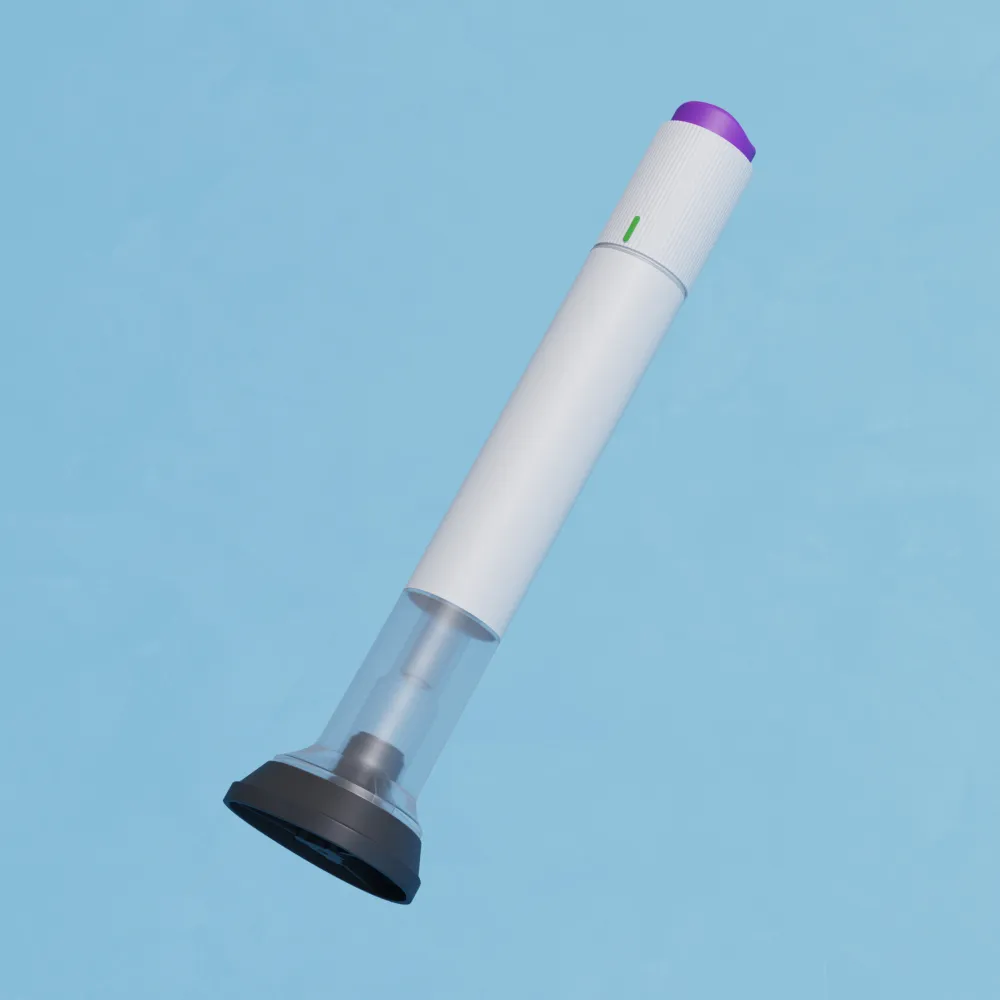
Mounjaro® Cost Without Insurance 2026




Mounjaro® without insurance costs $1,000-$1,300/month, but that’s not the whole story. See 2026 pricing, savings card options, and smarter ways to pay less.
- Mounjaro® without insurance costs between $995 and $1,300 per month for a 28-day supply of four pens.
- The $25 price isn’t available without insurance. Eli Lilly’s savings card requires commercial coverage, so uninsured patients don’t qualify.
- Discount cards can help. Pharmacy coupons can bring the price down to around $995-$1,062 at participating locations—no insurance required.
- Other FDA-approved GLP-1 medications may be prescribed for type 2 diabetes management, while options like metformin cost less than $20/month for patients managing type 2 diabetes.
- Programs such as the Lilly Cares Foundation may provide certain medications at no cost to qualifying low-income patients, but covered drugs are product-specific—confirm whether Mounjaro® is included.
This article is for informational purposes only and does not constitute medical advice. Mounjaro® (tirzepatide) is a prescription medication FDA-approved for type 2 diabetes and should only be used under the supervision of a licensed healthcare provider.
Only a qualified healthcare provider can determine whether Mounjaro® is appropriate for your individual health needs, medical history, and treatment goals. Do not start, stop, or change any medication without consulting your provider first.
How Much is Mounjaro® Without Insurance?
Mounjaro® (tirzepatide) is an FDA-approved injectable medication for adults with type 2 diabetes, and is used alongside diet and exercise to help improve blood sugar control.
Mounjaro® works by mimicking two gut hormones—GLP-1 and GIP. These hormones slow digestion, may reduce appetite, and help the body manage glucose more effectively. The medication is administered as a once-weekly injection using a pre-filled pen, with doses ranging from 2.5 mg to 15 mg depending on your treatment plan.
While Mounjaro® is FDA-approved for type 2 diabetes, it is not FDA-approved for weight loss, though some healthcare providers may prescribe it off-label at their clinical discretion.
If you’re exploring Mounjaro® for reasons beyond diabetes management, a licensed healthcare provider can help determine if it’s appropriate for your individual health needs. This is especially true since Mounjaro® may cause side effects, including nausea, diarrhea, vomiting, constipation, stomach pain, decreased appetite, and fatigue.
So, what about the costs?
If you’re paying out of pocket, Mounjaro® without insurance will cost between $995 and $1,300 per month, depending on where you fill your prescription and what discounts you may be able to access.
Eli Lilly’s official list price is $1,112 for a 28-day supply of four pens. But the list price isn’t necessarily what you’ll pay at the pharmacy counter. Ultimately, retail prices vary by location, pharmacy markup policies, and whether you use a discount card or a coupon.
At the lower end, some warehouse pharmacies and discount programs can bring the price down to around $995-$1,075 per month. At the higher end, some retail chains charge $1,150 or more, and the average retail price is around $1,294 before discounts.
This means uninsured patients could face annual costs exceeding $12,000 just for this one medication. But it’s worth noting that this isn’t always the case.
{{primary-cta}}
Factors Impacting Mounjaro® Cost
Several factors affect how much Mounjaro® costs without insurance at different locations:
- Pharmacy markup policies: Each pharmacy sets its own pricing above the wholesale cost.
- Geographic location: Prices can vary significantly across states and even within neighborhoods.
- Your prescribed dosage: While Eli Lilly’s list price is consistent across doses, some pharmacies price higher doses differently.
- Pharmacy type: Chain pharmacies, independent pharmacies, warehouse clubs, and mail-order services all price differently.
Unlike Zepbound®, Eli Lilly has not introduced a lower-cost self-pay vial option for Mounjaro®. Unfortunately, this means uninsured patients have fewer discount pathways compared to the weight-management version of tirzepatide.
How to Get Mounjaro® for $25 Without Insurance: Is It Possible?
The short answer? No, it’s not possible without some kind of insurance. The advertised $25 price is available only through Eli Lilly's Mounjaro Savings Card and requires commercial insurance coverage.
Here’s a breakdown on how the savings card actually works:
- If your insurance covers Mounjaro®, you may pay as little as $25/month for a 1-, 2-, or 3-month supply for an approved use consistent with the FDA-approved labeling.
- If your insurance doesn’t cover Mounjaro®, you may pay as low as $499 for a 1-month fill. Card savings are subject to program maximums (currently up to $647 per month and up to $8,411 per year), and require commercial insurance that does not cover Mounjaro® and a prescription for an approved use consistent with FDA-approved labeling (see full terms).
- If you have no commercial insurance, you don’t qualify for the savings card at all.
Medicare, Medicaid, TRICARE®, VA, and other government-sponsored plans are also excluded from the program.
So, while “Mounjaro® for $25” makes a great headline, it’s not a reality for patients paying out of pocket. Without commercial insurance, you should expect to pay closer to $995-$1,300/month.
Tips for Saving on Mounjaro® Without Insurance
Mounjaro® is one of the more expensive medications on the market—but that doesn’t mean you’re out of options. So, here are the most effective ways to lower your out-of-pocket costs if you don’t have insurance coverage.
- Use a Mounjaro® coupon without insurance. Pharmacy discount programs can bring prices down to $995-$1,062 at participating locations. These work like coupons and don’t require insurance. Simply search for Mounjaro® on a discount card website, download the coupon, and present it at the pharmacy when you fill your prescription.
- Compare pharmacy prices before filling. Prices can vary by $200-$300 between pharmacies in the same area. Warehouse clubs sometimes offer the lowest prices, while some retail chains may charge significantly more. Thus, it may be worth calling around or checking discount card websites to compare before committing.
- Order a 90-day supply. Buying in bulk may reduce your per-dose cost and save you trips to the pharmacy. Ask your healthcare provider whether a 90-day prescription is appropriate for your treatment plan.
- Try mail-order pharmacies. Mail-order options often beat local retail prices and may include free shipping. Some services also offer auto-refill discounts or subscription pricing that can add up to meaningful savings over time.
- Use telehealth services. Virtual healthcare platforms, such as Eden, coordinate access to licensed healthcare providers who can evaluate your health needs, discuss treatment options, and help you understand potential cost considerations.
Eden can help streamline your next steps by connecting you with licensed healthcare providers who can review your health history, discuss whether Mounjaro® or another option may be appropriate, and help you understand cost considerations. That may include reviewing coverage details, discussing prior authorization if relevant, and walking through potential savings programs, pharmacy discount options, or alternative medications that may better fit your budget.
{{primary-cta}}
Alternative Medications to Consider
If Mounjaro® isn’t affordable or accessible for your situation, other FDA-approved options may be worth discussing with your healthcare provider.
GLP-1 Alternatives
Several other GLP-1 receptor agonists are available for type 2 diabetes management, including:
- Ozempic® (semaglutide): A once-weekly injectable FDA-approved for type 2 diabetes. Retail pricing is similar to Mounjaro®, though some direct-to-consumer pharmacy programs offer reduced pricing for eligible patients.
- Rybelsus® (semaglutide): An oral GLP-1 option for patients who prefer pills over injections. It contains the same active ingredient as Ozempic® in tablet form.
- Trulicity® (dulaglutide): Another once-weekly injectable for type 2 diabetes. Discount coupons may significantly reduce the retail price.
Non-GLP-1 Options
Alternatively, you and your doctor may discuss non-GLP-1 options, depending on your specific health situation. These may include:
- Metformin: This is a first-line treatment for type 2 diabetes that’s been used for decades. It’s one of the most affordable prescription options available, often costing less than $20/month, and is widely covered by insurance.
- SGLT2 inhibitors: These are a different class of diabetes medication that helps control blood sugar.
At the same time, it’s worth noting that only a licensed healthcare provider can determine which medication is appropriate for your individual health needs, medical history, and treatment goals. These alternatives may not be suitable for everyone and carry their own risks and side effects.
Patient Assistance Programs
If discount cards and alternative medications still leave Mounjaro® out of reach, patient assistance programs may help cover the cost—or eliminate it entirely.
Lilly Cares Foundation
The Lilly Cares Foundation is Eli Lilly’s charitable program that may provide certain medications at no cost to eligible U.S. patients; however, covered medications are product-specific—confirm whether Mounjaro® is currently included before applying
PAN Foundation and Other Grants
The PAN Foundation and HealthWell Foundation may also offer grants for qualifying individuals.
Final Thoughts
So how much does Mounjaro® cost without insurance? The reality is $995-$1,300 per month at most pharmacies. However, some programs and other options may help cut these costs.
At the end of the day, the right medication is one that works for your health and fits your budget over the long term. A licensed healthcare provider can help you determine what’s best for you.
Important Safety Information: Mounjaro® may cause thyroid tumors, including thyroid cancer; do not use if you or your family have ever had medullary thyroid carcinoma (MTC) or if you have MEN 2. Mounjaro® may also cause serious side effects, including pancreatitis, low blood sugar (especially with insulin or sulfonylureas), serious allergic reactions, dehydration/kidney problems, severe stomach problems, vision changes, and gallbladder problems. Common side effects include nausea, diarrhea, decreased appetite, vomiting, constipation, indigestion, and stomach pain. Talk to a healthcare provider about risks and benefits for you.









The FDA does not approve compounded medications for safety, quality, or manufacturing. Prescriptions and a medical evaluation are required for certain products. The information provided on this blog is for general informational purposes only. It is not intended as a substitute for professional advice from a qualified healthcare professional and should not be relied upon as personal health advice. The information contained in this blog is not meant to diagnose, treat, cure, or prevent any disease. Readers are advised to consult with a qualified healthcare professional for any medical concerns, including side effects. Use of this blog's information is at your own risk. The blog owner is not responsible for any adverse effects or consequences resulting from the use of any suggestions or information provided in this blog.
Eden is not a medical provider. Eden connects individuals with independent licensed healthcare providers who independently evaluate each patient to determine whether a prescription treatment program is appropriate. All prescriptions are written at the sole discretion of the licensed provider. Medications are filled by state-licensed pharmacies. Please consult a licensed healthcare provider before making any medical decisions.
Frequently asked questions
How much does Mounjaro® cost without insurance?

Without insurance, Mounjaro® typically costs between $995 and $1,300 for a 28-day supply of four pens. Prices vary by pharmacy and location, and using a discount card may help reduce costs toward the lower end of that range.
Can I get Mounjaro® for $25 without insurance?
No, the $25 price is only available through Eli Lilly’s Mounjaro Savings Card, which requires commercial insurance coverage. Uninsured patients do not qualify for this program.
Is there a Mounjaro® coupon without insurance?
Yes, pharmacy discount programs offer coupons that can reduce the price to around $995-$1,062 at participating pharmacies. These don’t require insurance and can be downloaded online.
What are the alternatives to Mounjaro® for uninsured patients?
Other GLP-1 medications, such as Ozempic®, Rybelsus®, and Trulicity®, are available, though pricing is similar. Non-GLP-1 options, such as metformin, are significantly more affordable, often costing less than $20/month.
Are there patient assistance programs for Mounjaro®?
Some charitable and assistance programs may be available for certain medications, but coverage is product-specific—confirm current program details to see whether Mounjaro® is included. The PAN Foundation and HealthWell Foundation may also offer grants for qualifying individuals.
Related articles


Eli Lilly and Company. (n.d.). Savings & resources | Mounjaro® (tirzepatide). Retrieved January 13, 2026, from https://mounjaro.lilly.com/savings-resources
HealthWell Foundation. (n.d.). Copay assistance programs. Retrieved January 13, 2026, from https://www.healthwellfoundation.org/patients/
Eli Lilly and Company. (n.d.). Lilly Cares Foundation. Retrieved January 13, 2026, from https://www.lillycares.com/
Lilly Cares® Foundation. (1/2026). Lilly Cares® Foundation Patient Assistance Program. Retrieved January 13, 2026, from https://www.lillycares.com/
MOUNJARO. (2022). Highlights of prescribing information. https://www.accessdata.fda.gov/drugsatfda_docs/label/2022/215866s000lbl.pdf
OZEMPIC. (2023). Highlights of prescribing information. https://www.accessdata.fda.gov/drugsatfda_docs/label/2023/209637s020s021lbl.pdf
Patient Access Network Foundation. (n.d.). Financial assistance programs. Retrieved January 13, 2026, from https://www.panfoundation.org/patients/
Prescribing Information | RYBELSUS® (semaglutide) tablets 7 mg or 14 mg. (n.d.). https://www.rybelsus.com/prescribing-information.html
TRULICITY. (2014). Highlights of prescribing information. https://www.accessdata.fda.gov/drugsatfda_docs/label/2020/125469s036lbl.pdf
Thank you!
We'll be in touch.
Thank you!