L-Citruline for Performance and Recovery: What the Evidence Shows




L-citrulline may support blood flow, exercise performance, and recovery. What the evidence actually shows, plus dosage guidance and safety considerations.
- L-citrulline is a naturally occurring amino acid that converts into l-arginine in the body, where it may support nitric oxide production and blood flow.
- The strongest evidence supports its use for resistance training and reducing post-exercise muscle soreness; results for aerobic performance are mixed.
- Most research has used 6-8 grams of citrulline malate (about 3-4 grams of pure l-citrulline) taken roughly 60 minutes before exercise.
- L-citrulline is generally well-tolerated, but it may interact with blood pressure medications and PDE5 inhibitors; talk to a licensed provider first if you take either.
- Supplements, including l-citrulline, are supportive tools, not standalone solutions. A provider-guided strategy addresses the full picture of performance, recovery, and metabolic health.
This article is for general informational purposes only and is not a substitute for professional medical advice, diagnosis, or treatment. Always talk with a licensed healthcare provider before starting any new supplement, medication, or therapy.
Compounded medications are not FDA-approved and are prepared by a pharmacy for an individual patient pursuant to a prescription from a licensed clinician when clinically appropriate. They are not reviewed by the FDA for safety, effectiveness, or manufacturing quality.
Plateaus are common, even when you’re putting in the work. And when many people hit a wall with energy, endurance, or recovery, they often begin looking up supplements. What can help break through that wall? Is there something you’re missing?
L-citrulline is on almost every pre-workout label and recommended in every fitness forum. But what does it actually do? This article explores the research about l-citrulline’s effects on blood flow, exercise performance, and recovery—and what you should know before adding it to your routine.
As with any supplement, keep in mind that individual responses may vary, and a licensed provider is your best resource for determining whether L-citrulline fits your specific health picture.
What Is L-Citrulline?
L-citrulline is a non-essential amino acid found naturally in the body and in certain foods. In fact, it’s most famously found in watermelon (its name comes from Citrullus vulgaris, the Latin for watermelon). It also appears in smaller amounts in cucumbers, squash, and other gourds.
Unlike most amino acids, L-citrulline isn’t used to build proteins directly. Instead, it plays a role in the urea cycle, the pathway your body uses to process and eliminate nitrogen waste.
Once absorbed, L-citrulline converts into L-arginine in the kidneys. L-arginine is the precursor your body uses to produce nitric oxide (NO), a signaling molecule that helps your blood vessels relax and widen.
If you’ve come across L-arginine supplements before, you might wonder why you’d take L-citrulline instead. The short answer is efficiency.
When you take L-arginine orally, much of it is broken down in the gut and liver before it ever reaches your bloodstream. L-citrulline largely bypasses this process and converts to arginine more efficiently over several hours, meaning a smaller dose may produce a more sustained effect.
How L-Citrulline May Support Blood Flow
Nitric oxide is a vasodilator, which means it helps the smooth muscle in your blood vessel walls relax. When your blood vessels relax and widen, blood flow increases. Thus, more oxygen and nutrients may reach working muscles, and metabolic byproducts such as lactate and ammonia may be cleared more efficiently.
In fact, this is why you’ll find L-citrulline in many pre-workout supplements (often marketed as nitric oxide supplements). L-citrulline is a precursor to nitric oxide through arginine. And the “pump” many lifters experience with this supplement may be at least partially related to nitric oxide’s vasodilation effects.
Additionally, some research suggests that L-citrulline may modestly reduce blood pressure in certain populations. This may be a benefit for some people and a safety consideration for others, particularly anyone on blood pressure medication (more on this below).
To be clear, L-citrulline is not a treatment for cardiovascular disease or hypertension. Individuals with cardiovascular concerns should consult with a licensed healthcare provider before taking L-citrulline.
What the Research Shows for Exercise Performance
Research suggests L-citrulline may play a role in resistance training and muscular endurance, aerobic performance, muscle recovery, and more. Below, we take a closer look.
Resistance Training and Muscular Endurance
Studies suggest L-citrulline may help lifters complete more repetitions before fatigue and may lower the rate of perceived exertion (how hard a set feels). Most of these studies used around 6-8 grams of citrulline malate taken about an hour before training.
Some experts have also classified l-citrulline as possibly effective for athletic performance, specifically weightlifting. However, these effects vary across studies, and not all clinical trials have shown these benefits.
Aerobic and Endurance Performance
For runners, cyclists, and other endurance athletes, the evidence is also inconsistent. Some studies have shown small improvements in oxygen uptake efficiency, while others have shown no measurable benefit.
So, what does this mean for aerobic enthusiasts? In short, L-citrulline may still offer some support, but the evidence is mixed enough that you should manage your expectations and consider whether other strategies may offer more benefits.
Muscle Soreness and Recovery
Delayed onset muscle soreness (DOMS) is that achy feeling 24 to 48 hours after a tough workout session. And yes, there’s some evidence that supports L-citrulline potentially reducing DOMS.
L-citrulline may help do this via improved blood flow. In turn, this may help clear metabolic byproducts during and after training. On top of this, l-citrulline’s role in the urea cycle (the body’s pathway for clearing nitrogen waste) may help reduce ammonia accumulation, which contributes to fatigue.
This is partially why L-citrulline is increasingly framed as a recovery supplement rather than just another pre-workout ingredient.
What About Older Adults?
For older adults who already exercise regularly, L-citrulline doesn’t appear to increase muscle strength. In fact, it’s typically deemed possibly ineffective for age-related strength decline.
This means that if you’re in your 50s, 60s, or beyond and the goal is maintaining muscle mass, other interventions, such as a well-programmed resistance training, adequate protein intake, and provider-guided therapies, may be more impactful.
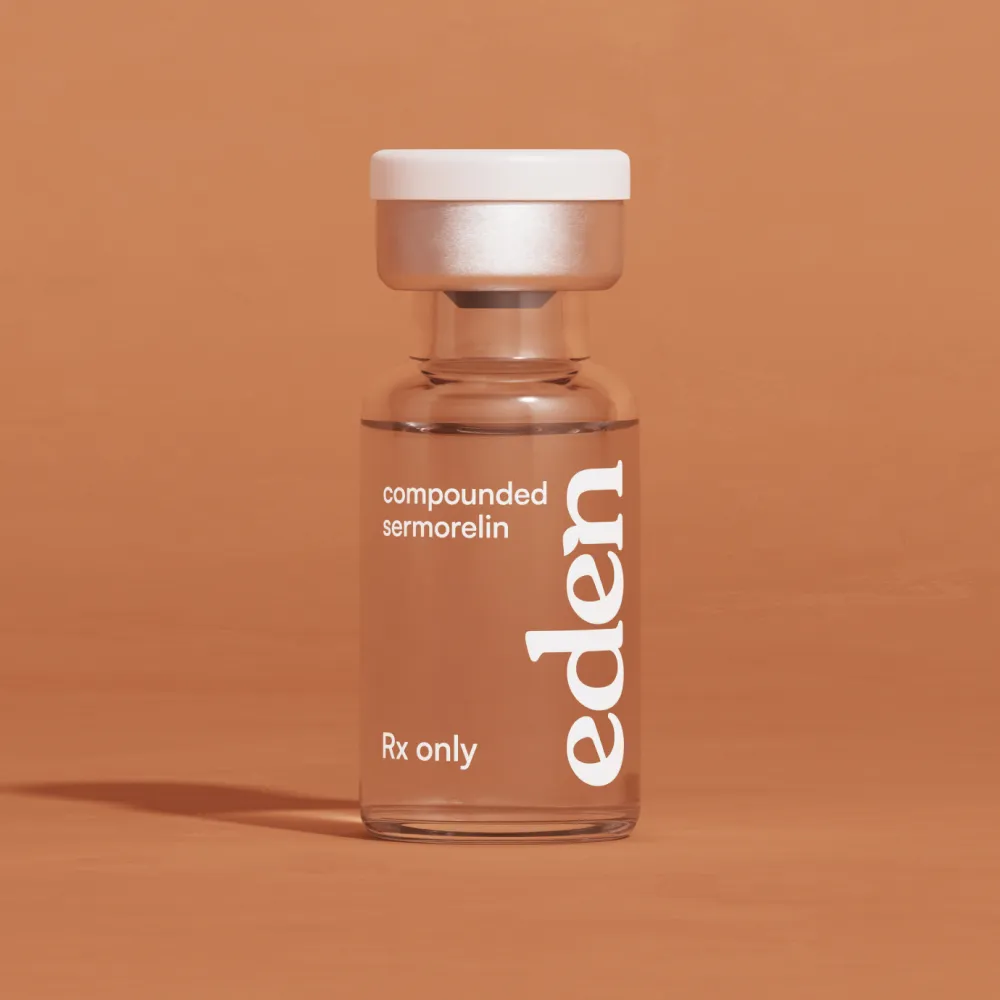
Eden’s sermorelin injections program, for example, is a provider-guided peptide therapy designed to support the body’s natural growth hormone signaling pathways; a licensed provider can evaluate whether this approach may be appropriate based on your goals and health history.
L-Citrulline vs. Citrulline Malate: What’s the Difference?
Citrulline malate is L-citrulline bound to malic acid, a compound your body uses in the Krebs cycle (its main pathway for producing cellular energy). The malate portion may contribute its own energy-supporting effect, though research on malate’s specific role remains limited.
It’s worth noting that most exercise studies have used citrulline malate, often at a 2:1 ratio of citrulline to malate. In other words, when you see “6-8 grams” cited in research, this actually refers to the combined compound, not pure L-citrulline.
If you’re using a pure L-citrulline product, the equivalent dose to match the citrulline content of citrulline malate would be around 3-4 grams. Either way, make sure to read the label carefully so you understand how much actual L-citrulline your specific product contains.
L-Citrulline Dosage: What Research Has Used
For general supplementation, studies have used 1.5-5 grams of L-citrulline per day, sometimes for up to four months. In contrast, pre-workout (resistance training) protocols have used 6-8 grams of citrulline malate taken about 60 minutes before training.
For recovery, some people split the dose or take the entire dose post-workout, though pre-workout dosing is more thoroughly studied.
Doses above 10 grams, however, may increase the risk of mild gastrointestinal side effects without additional benefit. This is why it’s important to start at a lower dose, which can help you assess your personal tolerance. Ultimately, your body weight, current medications, and any underlying conditions impact what dosing may be right for you.
A licensed provider is again your best resource for determining what’s best for your circumstances.
Safety, Side Effects, and Who Should Use Caution
L-citrulline is generally well-tolerated. It’s also possibly safe when taken orally for up to two months. The most commonly reported side effects are mild digestive issues, such as stomach upset or heartburn, but this is more common at higher doses.
More importantly, if you’re taking any other medications, you’ll want to ensure they won’t interact with L-citrulline. Here are the main drug interactions you should know:
- Blood pressure medications: Since l-citrulline may lower blood pressure through the nitric oxide pathway, combining it with antihypertensive medications may cause blood pressure to drop too low. If you take any blood pressure medication, don’t start l-citrulline without your provider’s input first.
- PDE5 inhibitors (such as sildenafil, tadalafil, and vardenafil): These medications also lower blood pressure. Thus, this means that stacking them with L-citrulline may compound this effect to an unsafe degree. Anyone using a medication in this class should check with a provider beforehand.
L-citrulline may also affect blood pressure control during surgical procedures. Most clinical sources recommend stopping use at least two weeks before any scheduled surgery. If you have an upcoming surgery, make sure to mention if you’re taking this supplement.
Additionally, L-citrulline is generally not recommended for pregnant or breastfeeding individuals. Children and individuals with cardiovascular or kidney conditions should consult a licensed healthcare provider before using L-citrulline due to limited safety data in these populations.
Overall, most healthy adults tolerate l-citrulline without issue. Yet, due to its effects on blood pressure, it may interact with common medications, which is why checking in with a licensed provider is the responsible first step, especially if you’re already on a structured weight management or hormone program.
Where L-Citrulline Fits in a Broader Performance and Recovery Strategy
L-citrulline may be a useful supportive tool for addressing blood flow and nitric oxide production pathways. But it works best as part of a comprehensive, provider-guided approach. It doesn’t replace fundamentals, such as progressive training, adequate protein, quality sleep, and stress management.
For adults in their 40s, 50s, and 60s experiencing changes in energy, recovery, or body composition, a single supplement is unlikely to be enough. When it comes to age-related hormonal changes, metabolic shifts, and changes in lean mass, a more comprehensive approach may be best.
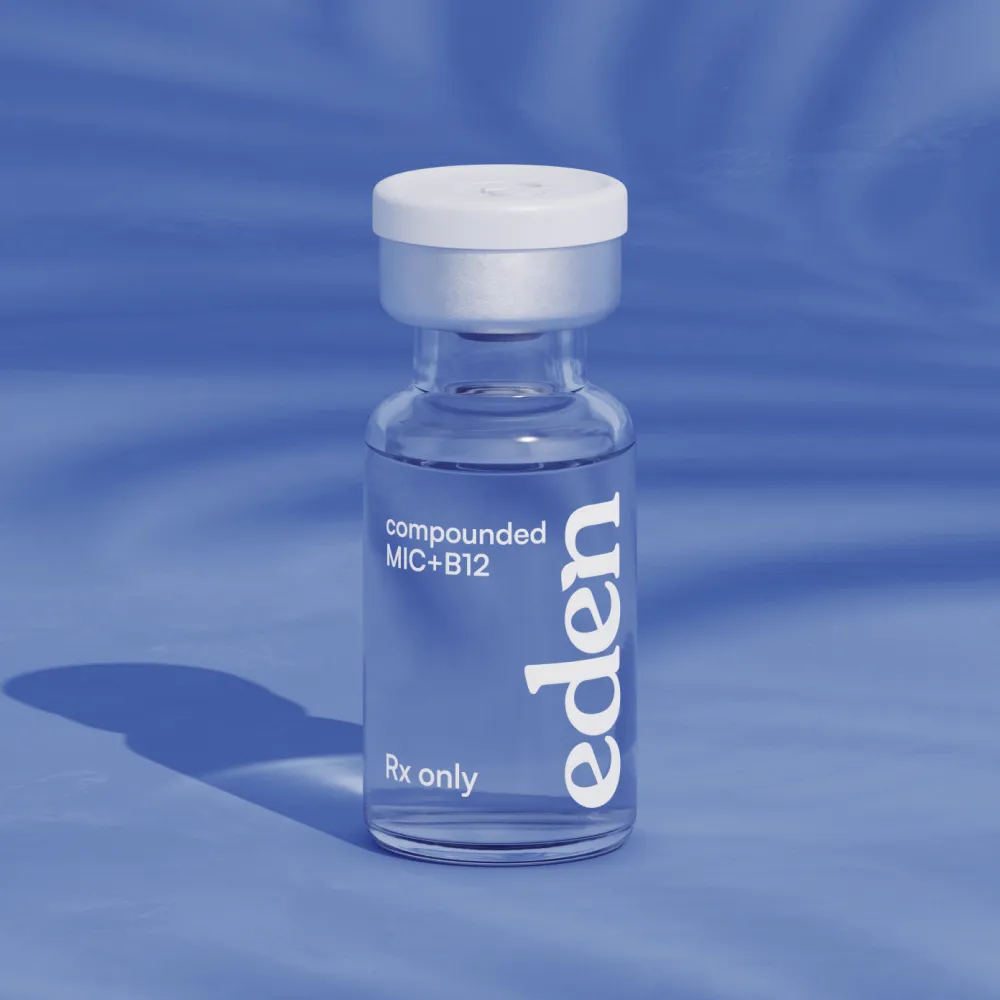
This is where provider-guided programs may be beneficial. Options such as MIC+B12 injections and sermorelin (which may support energy and metabolic health as part of a broader wellness strategy) are examples of provider-guided approaches that some individuals may explore alongside lifestyle interventions. For readers approaching this from a metabolic or weight angle, GLP-1 weight loss treatments may also be part of the conversation.
Lastly, running your numbers through a calorie calculator may also serve as a worthwhile starting point for data collection and for optimizing your specific health and performance. If you’re unsure about anything, discuss your options with a licensed provider. Eden can help connect you; it all starts with our brief online intake.






The FDA does not approve compounded medications for safety, quality, or manufacturing. Prescriptions and a medical evaluation are required for certain products. The information provided on this blog is for general informational purposes only. It is not intended as a substitute for professional advice from a qualified healthcare professional and should not be relied upon as personal health advice. The information contained in this blog is not meant to diagnose, treat, cure, or prevent any disease. Readers are advised to consult with a qualified healthcare professional for any medical concerns, including side effects. Use of this blog's information is at your own risk. The blog owner is not responsible for any adverse effects or consequences resulting from the use of any suggestions or information provided in this blog.
Eden is not a medical provider. Eden connects individuals with independent licensed healthcare providers who independently evaluate each patient to determine whether a prescription treatment program is appropriate. All prescriptions are written at the sole discretion of the licensed provider. Medications are filled by state-licensed pharmacies. Please consult a licensed healthcare provider before making any medical decisions.
Frequently asked questions
What are the main L-citrulline benefits?

The most consistently supported benefits include improved blood flow, more reps before fatigue during resistance training, and less post-exercise muscle soreness. Evidence for aerobic endurance is mixed, and L-citrulline doesn’t appear to increase strength in older adults who already exercise regularly.
How long does it take for L-citrulline to start working?
Arginine levels in the blood may begin rising within 30 to 60 minutes after a single dose, which is why most studies administer it about an hour before training. Cumulative effects on soreness and endurance are typically reported after consistent use over several days to weeks.
Can you take L-citrulline every day long term?
Research has used daily l-citrulline for periods of up to four months without major safety issues in healthy adults. Long-term use beyond that hasn’t been well-studied, so checking in periodically with a provider is the safest way to decide how long to stay on it.
Can you get enough L-citrulline from watermelon or food?
Watermelon has the highest natural concentration. However, you’d need roughly two to three cups to get about one gram, which is well below the doses used in exercise studies.
Can L-citrulline be stacked with creatine, caffeine, or other pre-workout ingredients?
There are no known interactions between L-citrulline and creatine or caffeine, and many pre-workout formulas already combine all three. Yet, anyone on medications or managing a chronic condition should review the full ingredient list with a licensed provider before stacking supplements.
Ahmad, A., Dempsey, S. K., Daneva, Z., Azam, M., Li, N., Li, P. L., & Ritter, J. K. (2018). Role of Nitric Oxide in the Cardiovascular and Renal Systems. International journal of molecular sciences, 19(9), 2605. https://pmc.ncbi.nlm.nih.gov/articles/PMC6164974/
Bailey, S. J., Blackwell, J. R., Lord, T., Vanhatalo, A., Winyard, P. G., & Jones, A. M. (2015). l-Citrulline supplementation improves O2 uptake kinetics and high-intensity exercise performance in humans. Journal of applied physiology (Bethesda, Md. : 1985), 119(4), 385–395. https://pubmed.ncbi.nlm.nih.gov/26023227/
Thank you!
We'll be in touch.
Thank you!