
GLP-1 Microdose Program by Eden



Same price at every dose. No hidden fees.

Free expedited shipping.

No membership fees.

Doctor-led plans, coaching & active community.


Microdosing refers to starting GLP-1 care at a lower dose, with gradual adjustments over time as determined by a licensed clinician. If prescribed, compounded semaglutide dosing is tailored based on your medical history and treatment response.

Reset your metabolism and burn more calories

Help lower your blood pressure

Help lower your cholesterol

Stop food noise and reduce cravings

Help improve your blood sugar
A microdose approach may be a good fit if your focus is consistency, metabolic health, or long-term maintenance. For more significant weight loss, a standard-dose GLP-1 plan may be worth exploring with a clinician.





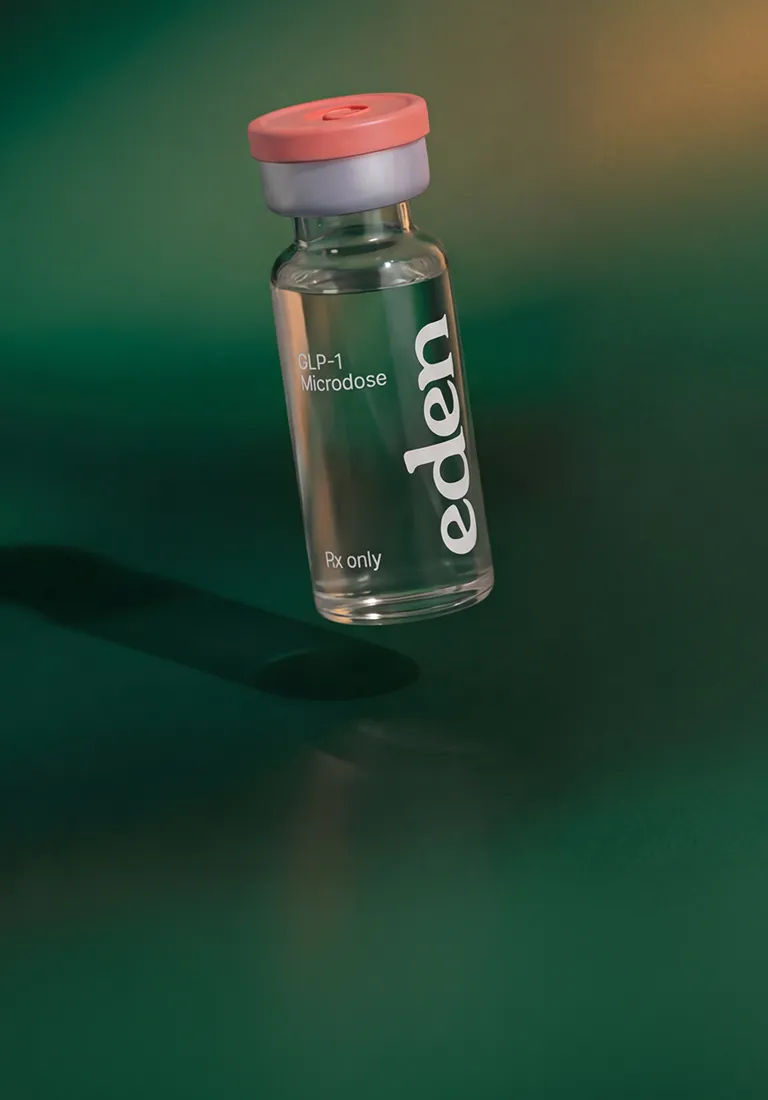


Medication made affordable
GLP‑1 Microdose
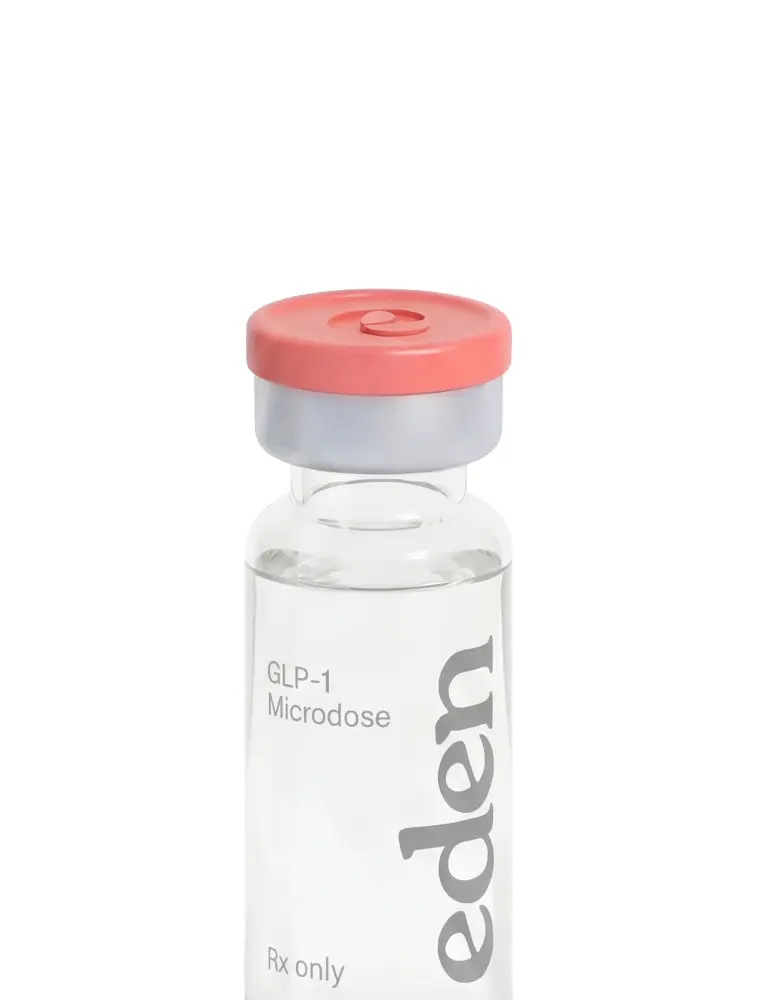
Compounded Semaglutide
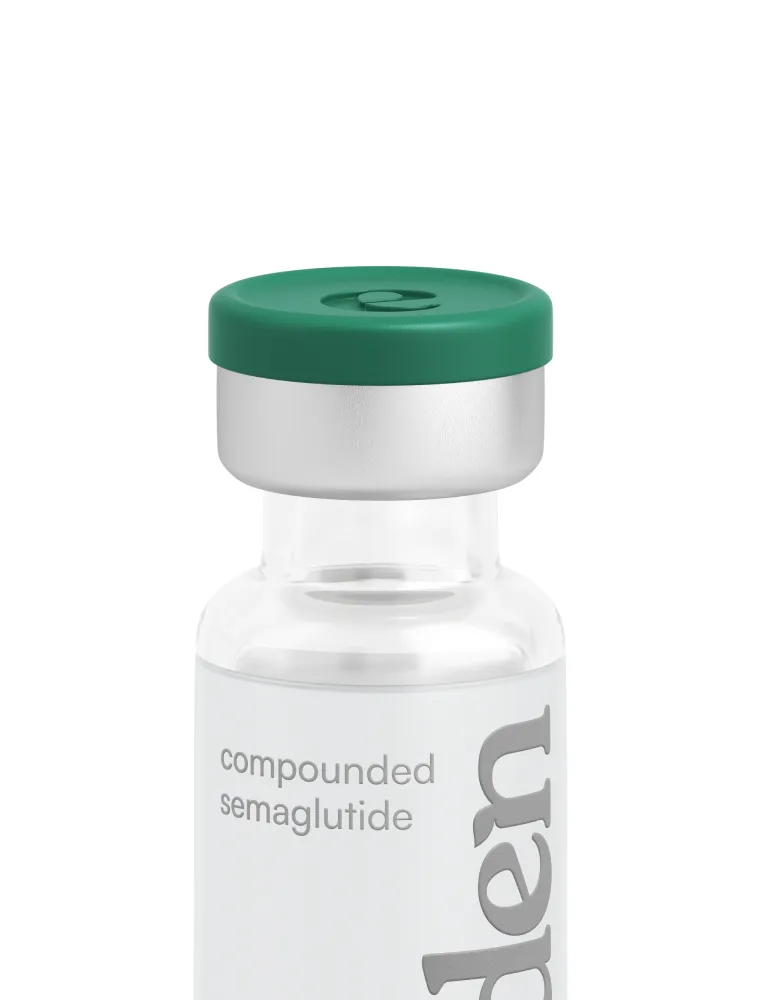
Compounded Tirzepatide
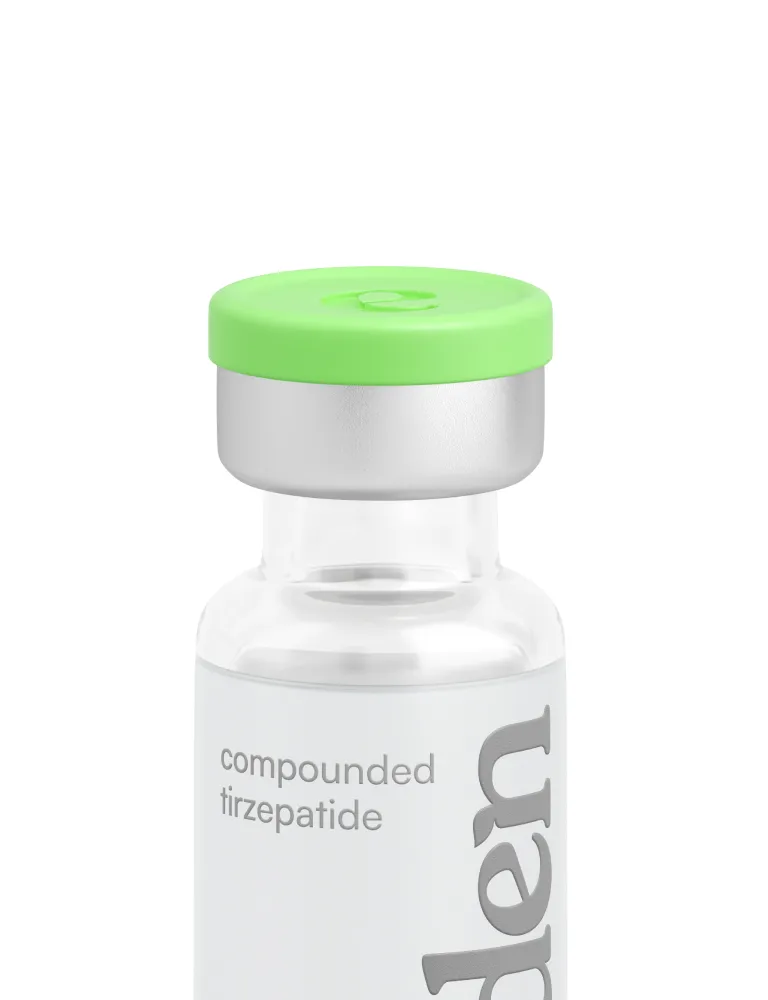
What your personalized plan includes
| Other Competitors | ||
|---|---|---|
| Same price at every dose. No memberships or contracts. | ||
| Fast, free shipping, designed to help avoid skipping doses. | ||
| Simple guided plans, personalized to you. | ||
| 24/7 human support + unlimited clinician messaging. | ||
| Real member community + accountability. | ||


Small, intentional steps compound into real change
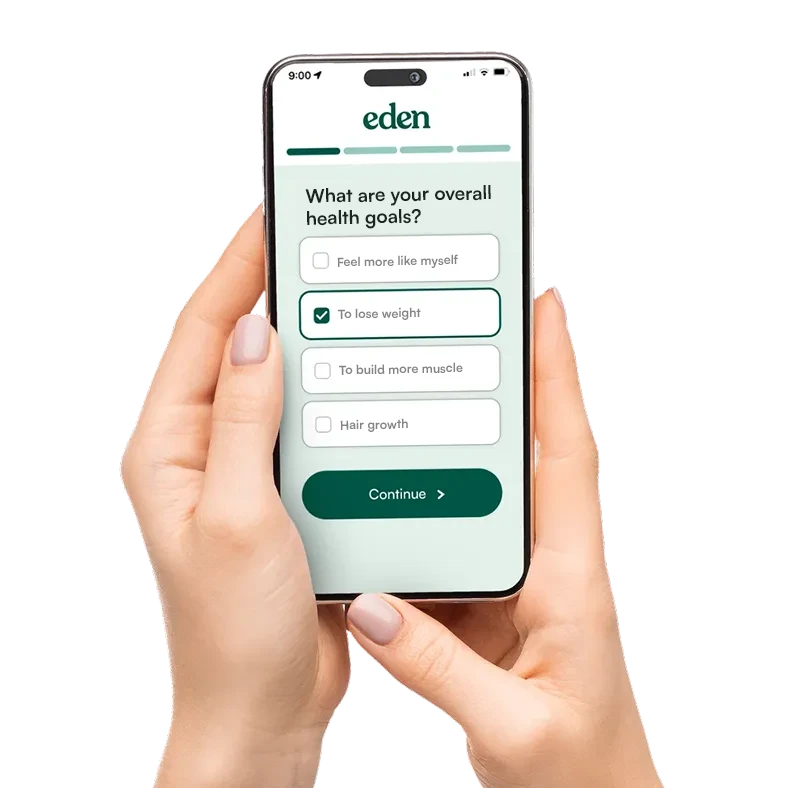
Start with a quick online quiz
Step 3
Answer a few questions and connect with a licensed clinician online. We’ll understand your goals, history, and whether a microdose approach makes sense for you.
Get a personalized plan shipped within days
Step 3
If appropriate, your clinician will prescribe a personalized treatment, which may include a lower, gradual dosing approach, shipped to your door.

Receive 24/7 support throughout your journey
Step 3
You’ll have ongoing access to care, check-ins, and real support. You’re not doing this alone, we stay with you as your body, goals, and plan evolve.

Meet our medical experts, focused on your health

Non-sterile compounding, functional medicine, telehealth pharmacy operations, and regulatory compliance.



Longevity medicine, regenerative medicine, NAD therapy, stem cell therapy, functional medicine, and anti-aging.


Anti-aging and regenerative medicine, metabolic health, nutrition and movement science, and lifestyle optimization.


Cardiology, metabolic health, chronic disease prevention, functional medicine, lifestyle and nutrition-based care.


Every Eden weight loss plan includes
- Unlimited provider messaging included, whenever you need it
- Simple refills with our exclusive pharmacy network to help prevent missed doses
- Real member community and accountability built in
- Fast, free shipping, so you can start soon and stay on track
- US-based real human support included, not bots
Learn more about GLP‑1 Treatments

Semaglutide is a medication in a class of drugs called GLP-1 receptor agonists. These medications influence appetite signals, feelings of fullness, and blood sugar regulation.
You may have heard about semaglutide through brand-name medications used for weight management and metabolic health.
Microdosing generally refers to using much smaller amounts of semaglutide than the doses used in standard treatment programs.
People explore this approach for different reasons. Some have previously used higher doses and want a lower-dose strategy to help maintain progress. Others may discuss it with their provider while exploring metabolic health, hormonal changes such as PCOS or perimenopause, or body-composition goals.
Lower-dose strategies like this are considered off-label use, meaning they are not an FDA-approved dosing approach. Because research is still evolving, any dosing plan should always be guided by a healthcare provider.
No. Compounded semaglutide is not FDA-approved, and “microdosing” is not an FDA-recognized dosing category. Compounded medications are custom-prepared by licensed pharmacists based on a provider’s prescription. They are not reviewed by the FDA for safety, effectiveness, or manufacturing quality in the same way as FDA-approved medications.
Eden does not prescribe medications directly.
Instead, Eden connects patients with licensed healthcare providers who evaluate their health information and determine whether treatment may be appropriate.
If medication is prescribed, a licensed pharmacy prepares and ships it to you.
No. Every patient must complete a medical intake and provider review before treatment can be prescribed. This helps the provider understand your health history and determine whether treatment may be appropriate.
During this review, the provider considers things like:
- your height and weight
- your BMI
- current medications
- medical history
- allergies
- previous experience with GLP-1 medications
Certain health conditions may make this medication inappropriate. Providers may screen for risks such as pregnancy, certain thyroid cancers, severe digestive conditions, pancreatitis, or other health concerns.
Patients are also asked to upload a government-issued ID to verify identity before medication can be prescribed. A prescription is never guaranteed.
No. Standard treatment programs typically involve gradually increasing doses over time.
Microdosing explores lower-dose strategies that may work differently and be used for different goals, depending on the patient.
A healthcare provider can help determine whether this approach may be appropriate for you.
At this time, there is limited clinical research specifically examining microdosing approaches.
While semaglutide has been studied extensively at standard doses, smaller-dose strategies may produce different results. Individual responses to medication also vary. Your provider can help explain what is currently understood and what may be realistic to expect.
Microdosing programs sometimes require dose strengths that are not commercially available in standard brand-name products.
In those cases, a licensed pharmacy may prepare a compounded formulation based on the provider’s prescription.
Compounded medications are custom-prepared and are not reviewed by the FDA for safety, effectiveness, or manufacturing quality in the same way as FDA-approved drugs.
Some people experience nausea, stomach discomfort, diarrhea, constipation, or feeling full sooner when eating. Fatigue, headaches, or injection-site irritation can also occur.
Serious side effects are rare but may include pancreatitis, gallbladder problems, kidney issues, or allergic reactions. Your provider will review potential risks with you.
Patients typically have follow-up evaluations with their provider within the first few months of treatment.
These check-ins allow the provider to:
- review how you’re responding to the medication
- monitor for side effects
- determine whether adjustments are needed
Semaglutide treatment should always be guided by a licensed healthcare provider who understands your medical history and goals.
If you’re curious whether this approach may be right for you, a provider can review your information and help you explore appropriate options.
Only available if prescribed after an online consultation with a healthcare provider. Benefits outlined are based on third-party studies. Plans are offered as a subscription service which can be canceled at any time. Actual product packaging may appear differently than shown. Physicians may prescribe compounded medications as needed to meet patient requirements. The FDA does not review or approve any compounded medications for safety or effectiveness. The statements on this page have not been evaluated by the FDA. Results may vary. If you notice any side effects while using this treatment, contact your healthcare provider immediately.
The statements on this page have not been evaluated by the Food and Drug Administration. This product is not intended to diagnose, treat, cure or prevent any disease.
Important safety information